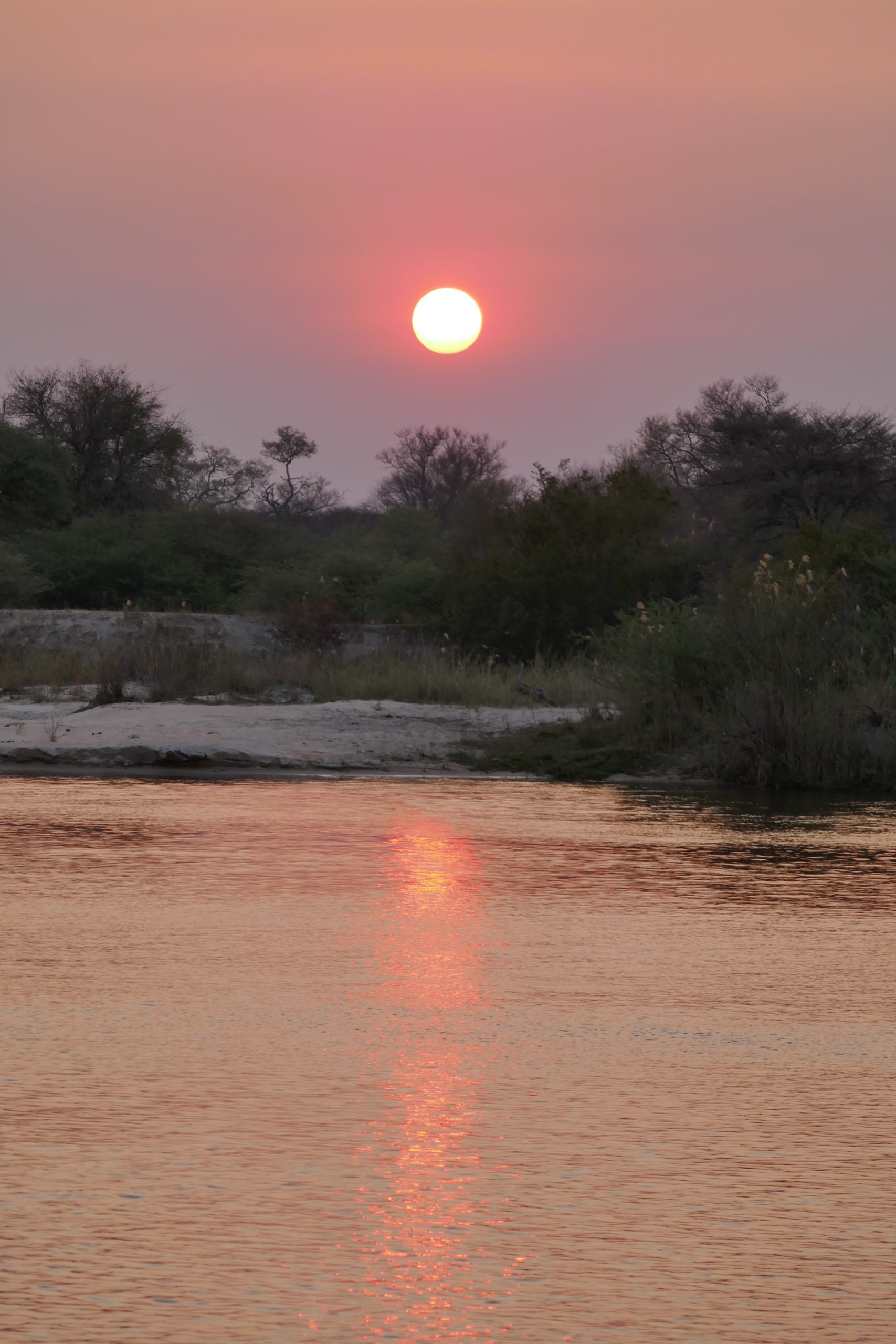
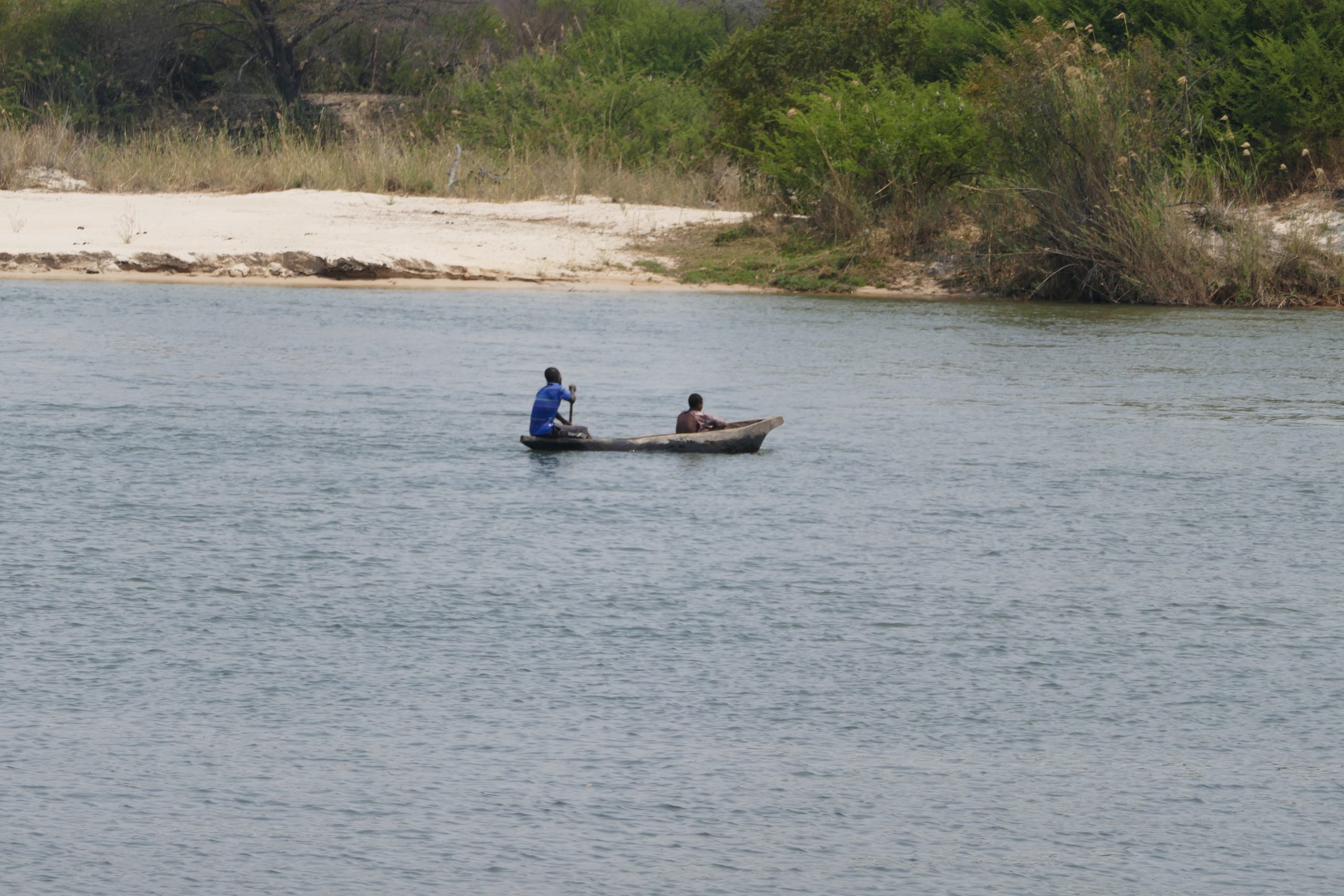
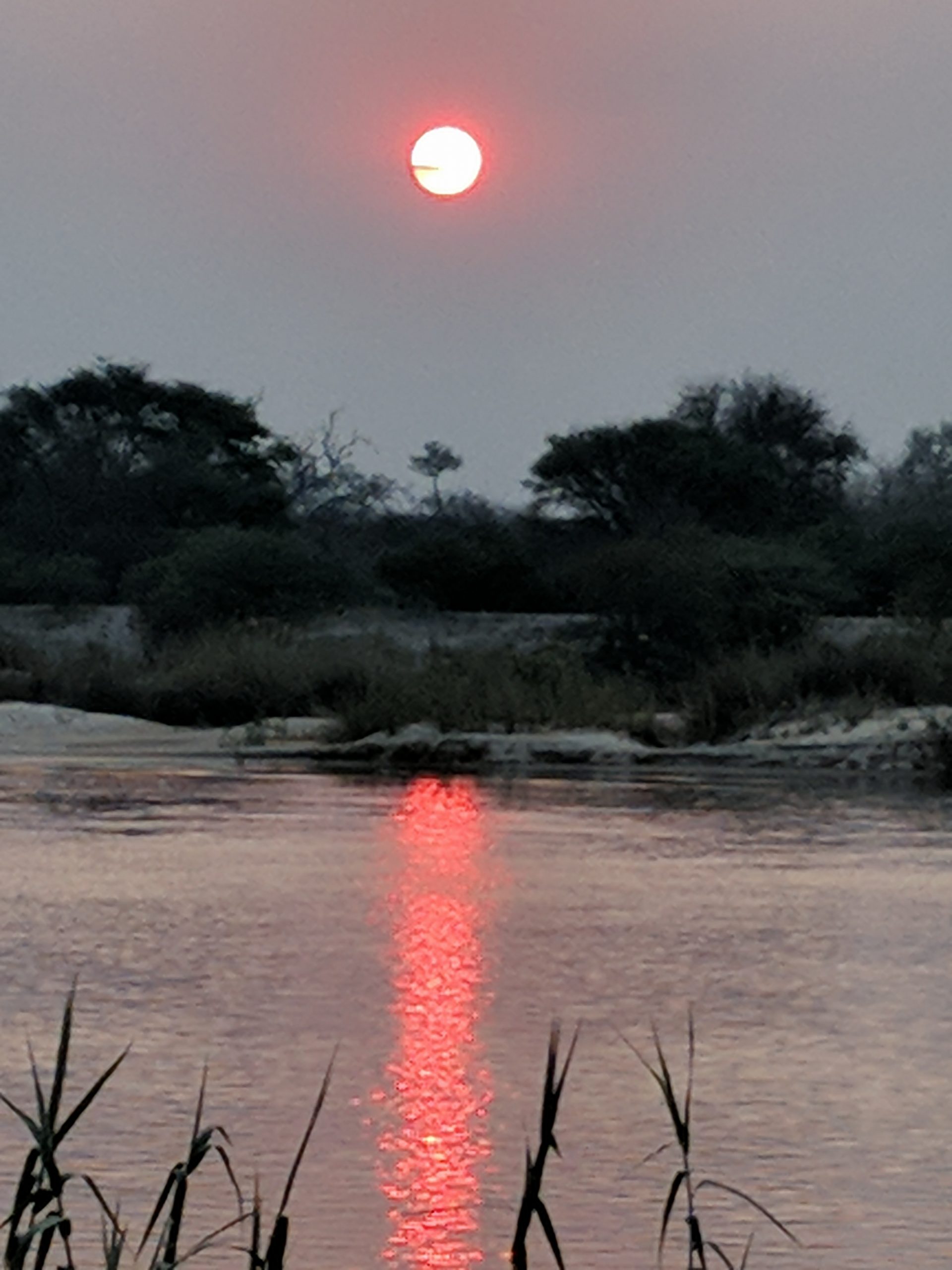
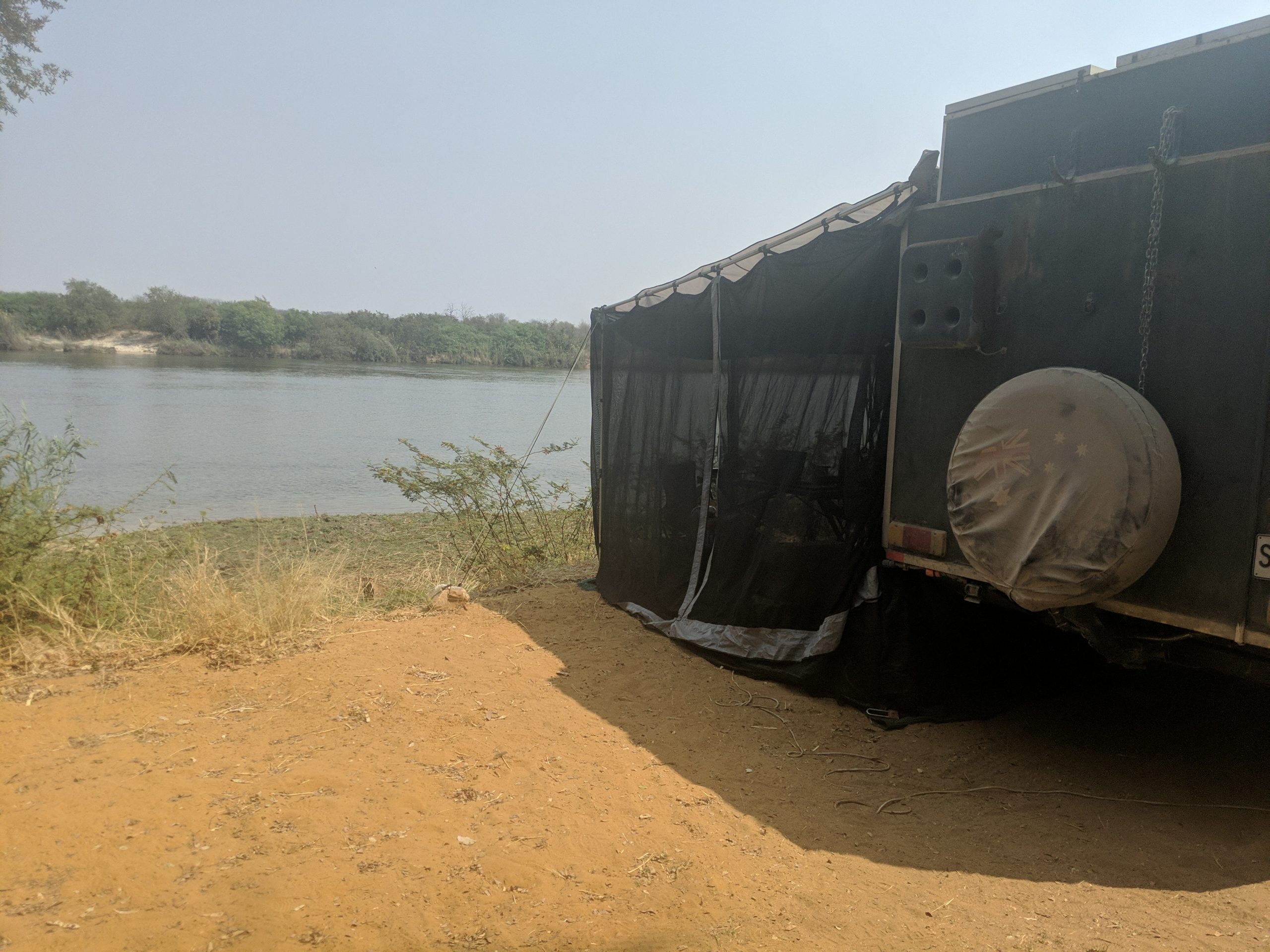
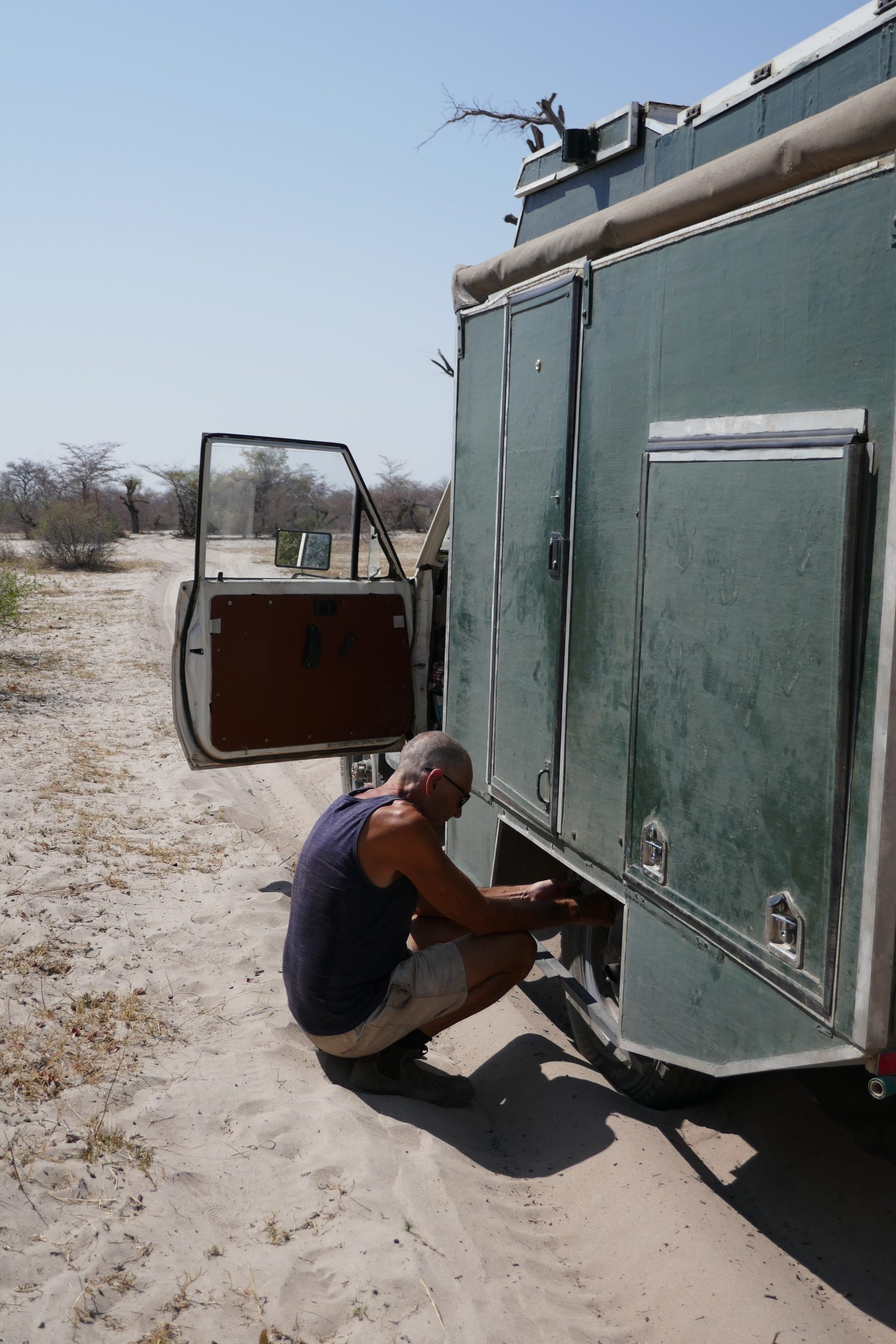
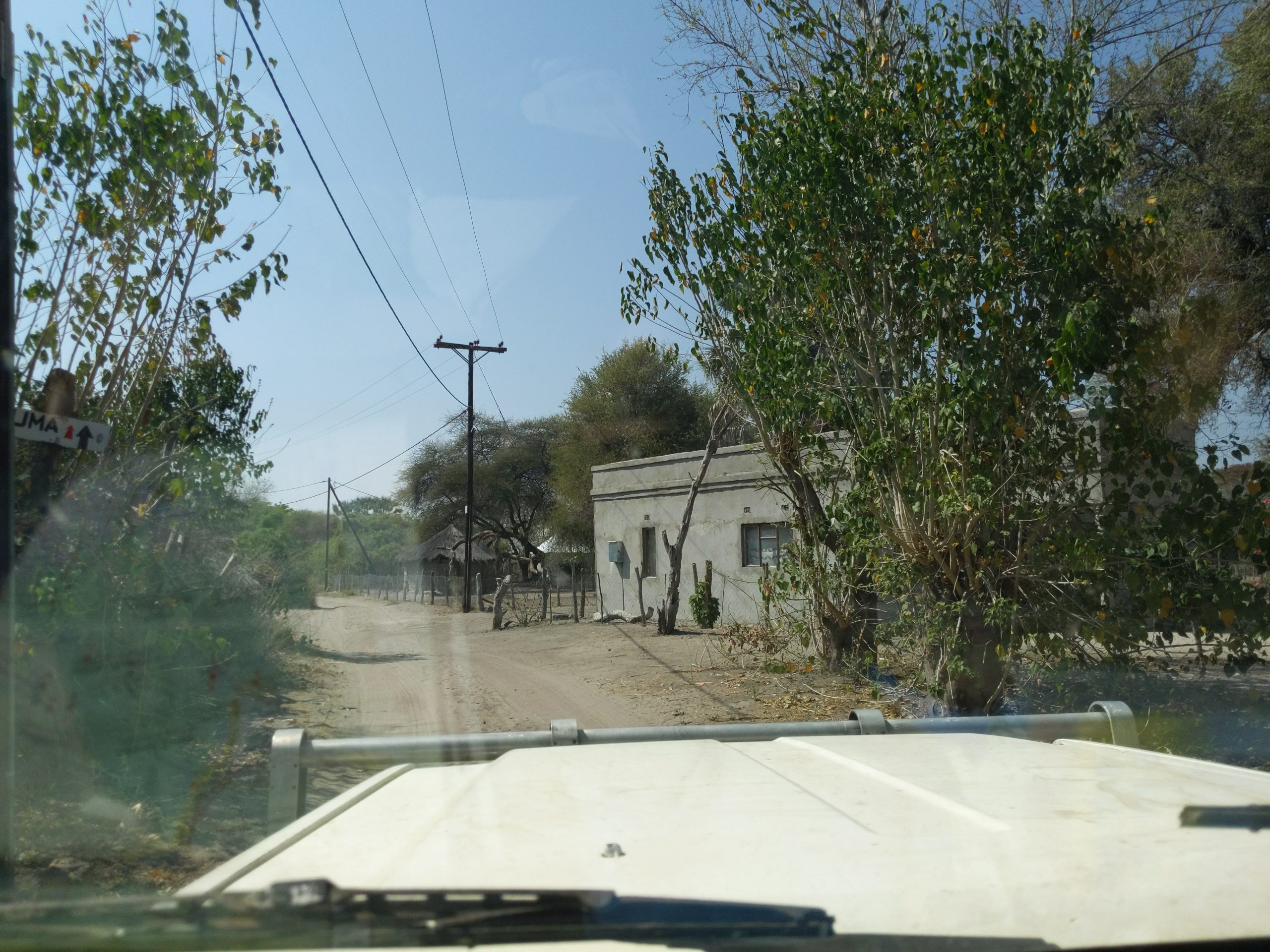
It was another warm night. As Karen has pointed out we have had about 3 weeks of 35C+ weather. We got everything ready for the Botswana to Zambia crossing. I knew this crossing could be difficult. When I crossed from Tanzania to Zambia last year, it took me more than 3 hours, and I had to employ a fixer to assist me.
We loaded up with fuel at Kazungula, and headed across the bridge over the Zambezi River to the combined Border facility. We had to go through the gatehouse and get a gate pass, something we didn’t expect, possibly because we have an Australian registered vehicle. We then went to the main passenger terminal building. The whole border process took 90 minutes, which was faster than I expected.
Then it was the 60km drive to Livingstone. We got to Livingstone and stopped at the Shoprite supermarket and got supplies. Then down the road to Thorn Tree Safari where I had stayed at a year earlier. We suffered from the large number of mosquitoes at Thorn Tree overnight.
The next day Karen suggested we go to the Royal Livingstone hotel where we had drinks at the riverside deck, and could see the spray from Victoria Falls in the distance.
Then on Monday I dropped Karen at Livingstone airport, and she headed to Iringa Tanzania while I headed south towards Johannesburg.
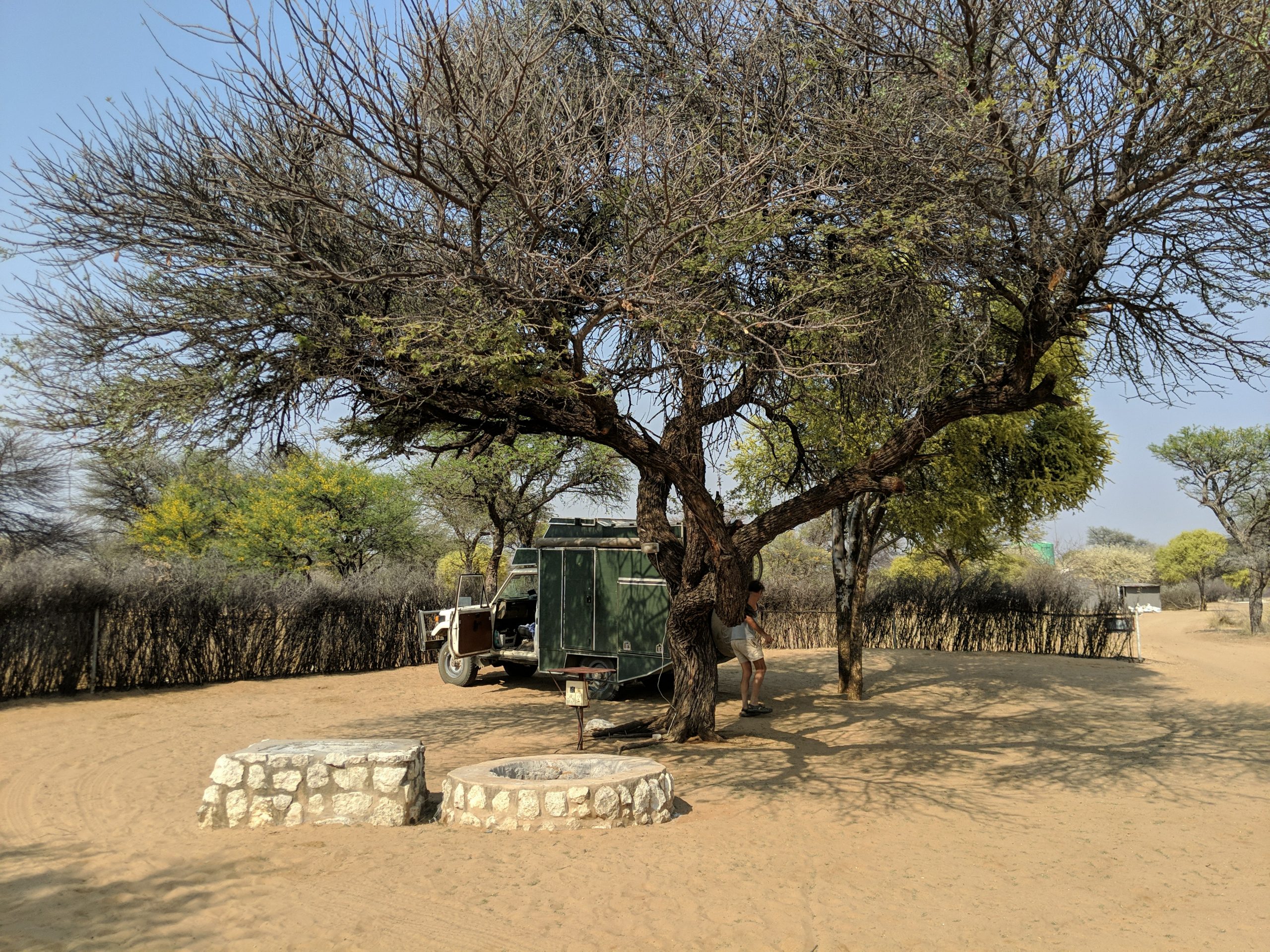
Crossing the Kazungula Bridge into ZambiaCamped under the big tree at Thorn TreeZebras in the street in LivingstoneRoyal Livingstone Hotel with the spray from Victoria Falls in the backgroundA Giraffe on the way out from the Royal LivingstoneThe local Hippo at the Thorn Tree camp
After a great stay at Muduma National Park we headed north to Kongola. We stopped at the Metro supermarket at Kongola to buy some more water and cold drinks, as the water we had been using for the last couple of days at Muduma was not fantastic. It was then east across the strip to Katima Mulilio in a strong wind. However part way along there was a crash, and I saw something drop on the road behind us. The roof box, that I had redesigned last year with a new cover, and had travelled over 12,000km, had broken its latches, flown backwards in the wind, and smashed one of the solar panels on the back of the roof, and most of the hinge holding down the box. I managed to get a strap underneath and strap down the lid onto the box. We then continued the journey to Katima Mulilio.
Katima Mulilio was quite a large town with several shopping centres. We got more supplies at a PnP, and got some parts at a hardware to repair the roof box.
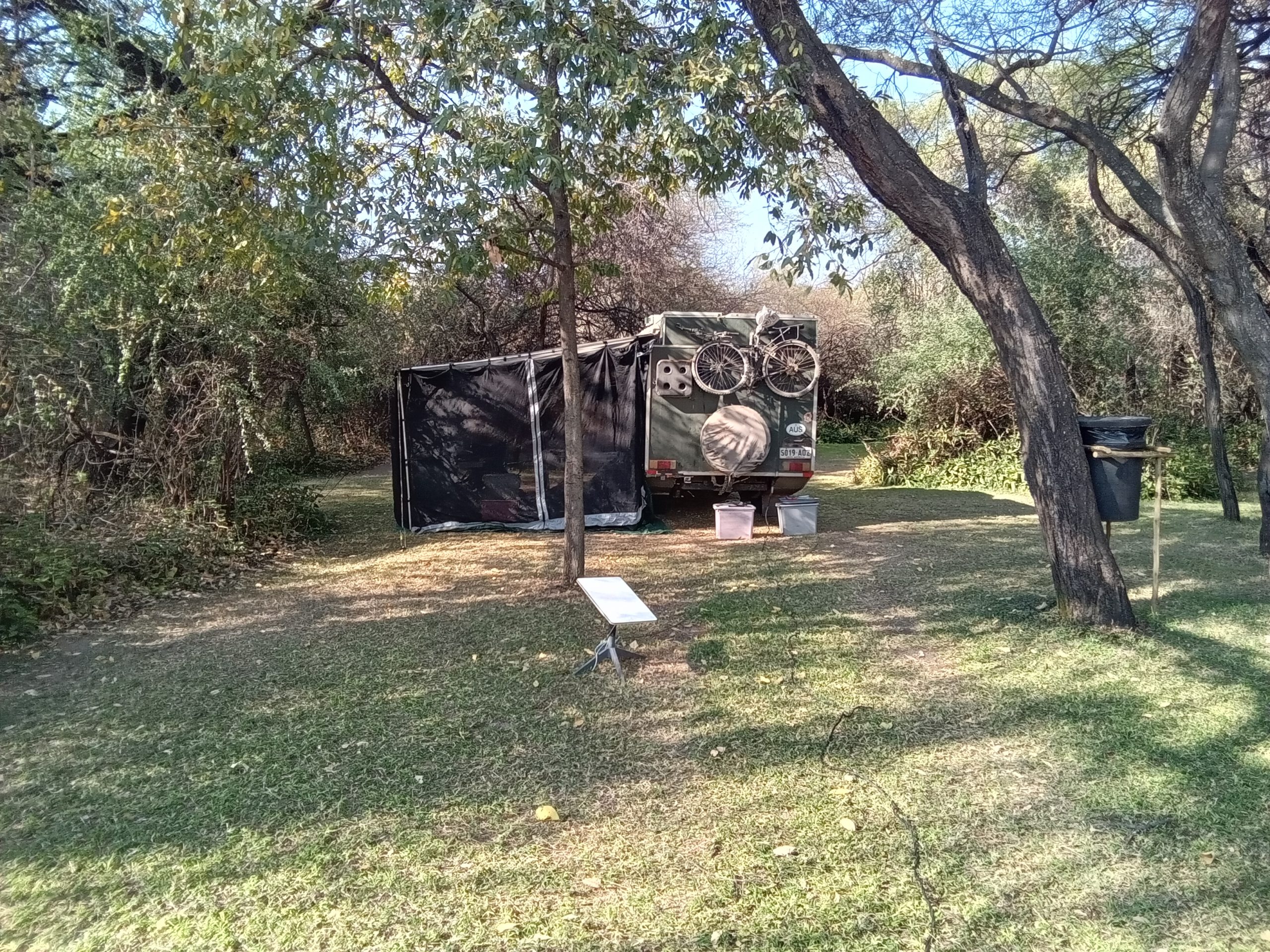
We headed 7km east of Katima to Namwi Island Campsite a shady campsite with grass and trees that we stayed at for 3 nights, giving us time to fix the roof box lid.
After that we went back into Katima to get some more supplies then headedto the Botswana border at Ngoma Bridge. We arrived at the border crossing at the same time as a bus, so it was a long queue to get processed. We were expecting the Botswana border to check our fridge for food, but they were more interested that the camper came from Australia. Then it was a drive toKasane for a nights accomadation. We tried three places before we found one with vacancies, even though it was past peak season. We camped at Kwalape Safari Lodge, which was near the road, but OK for a one night stay. We swotted up on the Zambia border crossing the next day, and the complexities involved in that.
the smashed solar panel from the roof box lid flying backwardsat PnP with a chocolate donut and more talcum powder to add to epoxy resinMeat selection at the PnP
It took us a while to pack up at Nunda, we had been there for four days, and we had spread ourselves out. It was 9:30am before we left. We went first to the Hardware store in Divundu and after consulting with the security guard bought a Potjie, a South African cast iron pot with legs that you place on a campfire. We had not been able to get any more gas canisters, so it was wood fires from now on. We got more supplies and drinking water from the Metro supermarket in Divundu, one of the largest supermarkets we had been to in recent weeks. Then it was off west along the strip towards Kongola. We stopped to look at an elephant wandering near the road, part way to Kongola. We got more fuel at Kongola, then headed south. We stopped at a village and bought their entire stock of firewood (about $9 worth), all the kids coming out to help with the sale.
We arrived at the entrance to Muduma Park. We had heard you couldn’t book ahead, and that camp 3 and 4 were the best. However Camp 3 and 4 were booked, so we paid for Camp 2 for one night, then would shift to Camp 4 for 3 more nights. The camps in Muduma are wild, no facilities at all, not even a pit toilet.
Camp 2 was good, if not somewhat scary. There were Hippos in the Lagoon in front of the camp, Elephant dung everywhere. We saw Zebras, warthogs ,Baboons and antelope driving in. We also knew that there might be lions around as well. There are no fences anywhere.
We lit a fire and used our Potjie for the first night, and it went well.
Next morning after a night of Hippo calling we shifted to camp 4. During the drive to camp 4 we got held up by a herd of 40+ elephants blocking the track, which we waited 30 minutes to pass. At camp 4 we jammed ourselves in a spot overlooking the lagoon, which was great for viewing the Hippos, and Elephants in the distance. We stayed four days, five nights in camp 4. We extended our stay part way though, driving back to the entrance office.
The Hippos entertained us every night. The Baboons woke us up some mornings. We had Elephants walk past on afternoon. We had Warthogs having mud baths near us, and Antelopes. Bats at night catching the bugs. It was hot weather, 39C most days, cooling to 22C overnight.
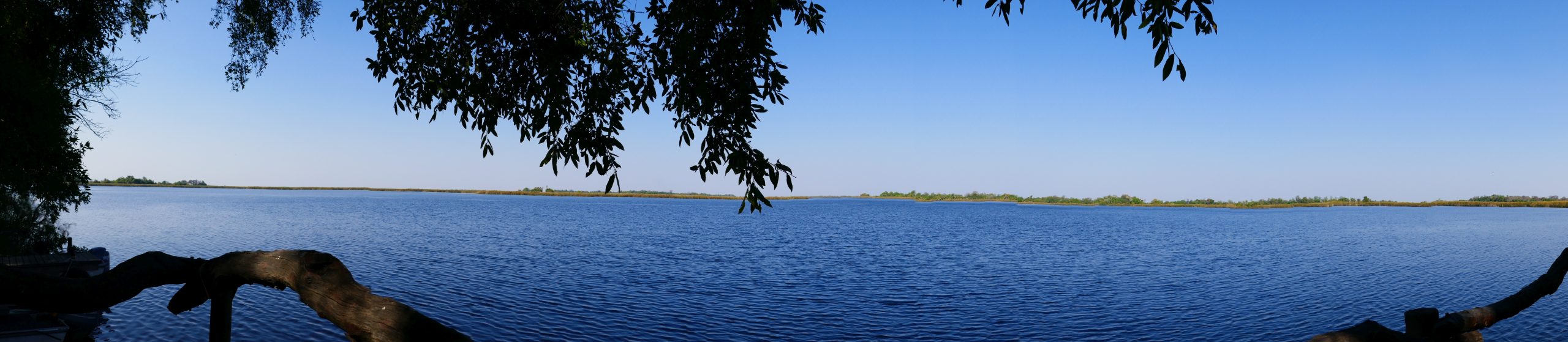
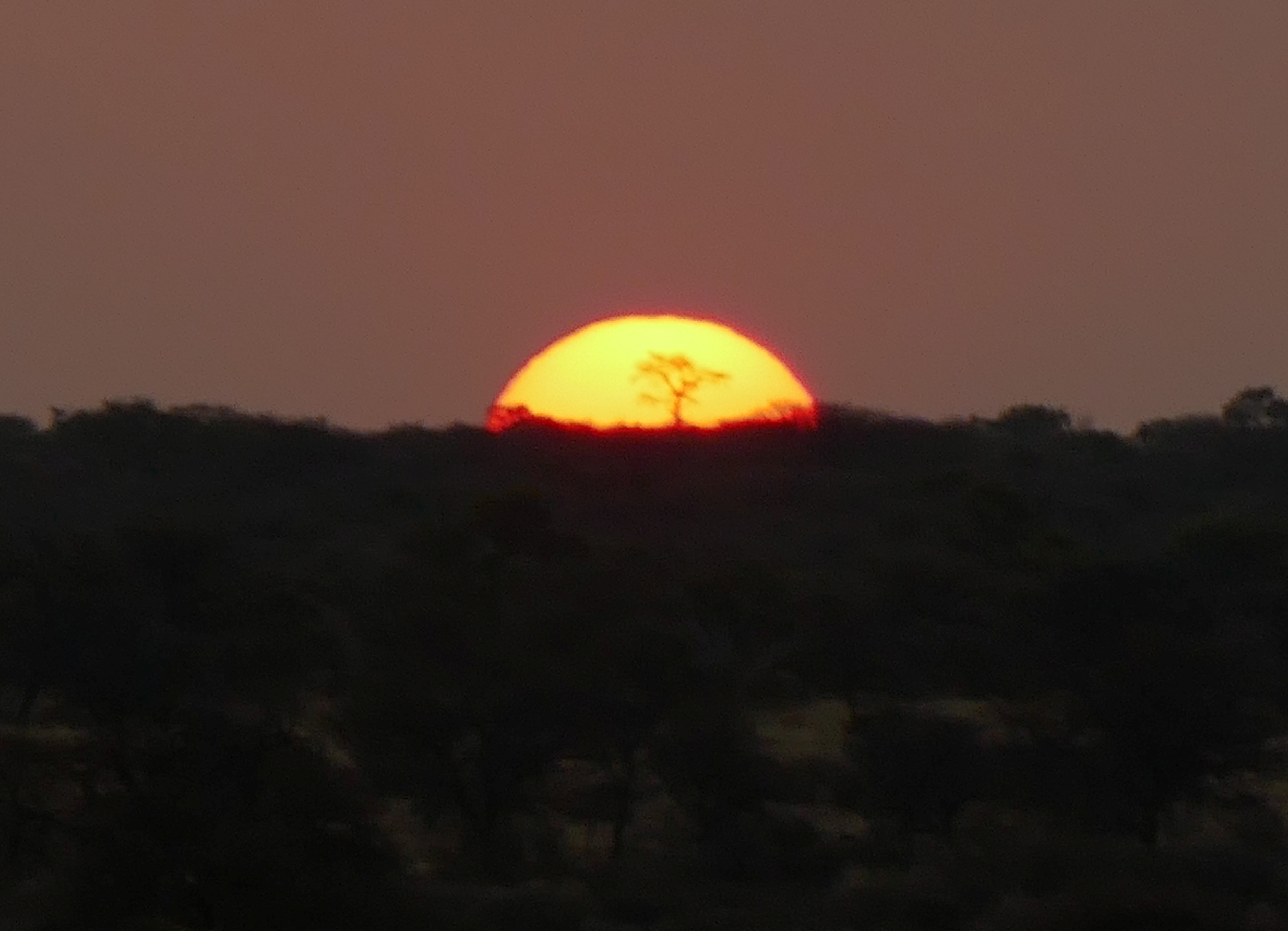
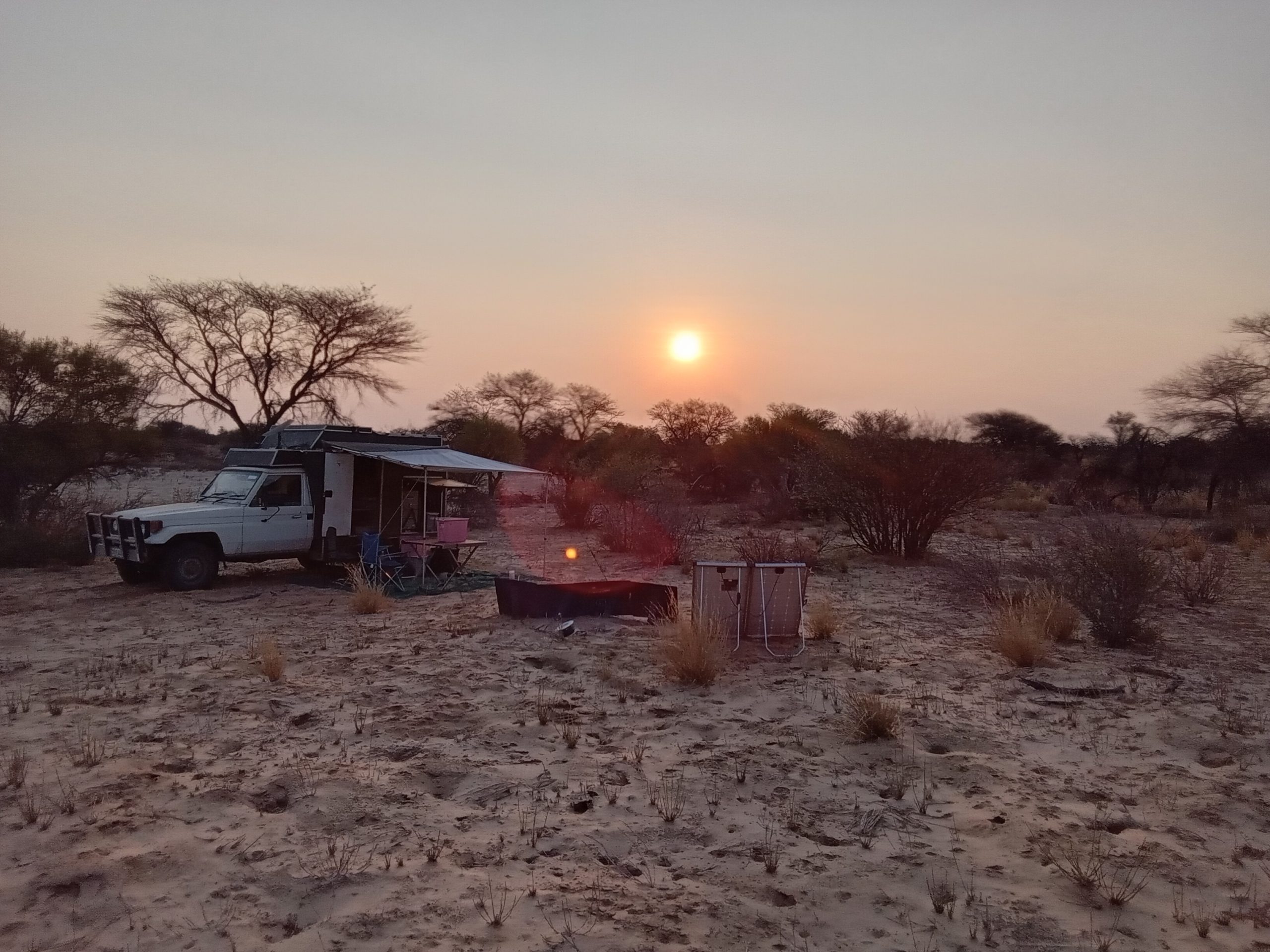
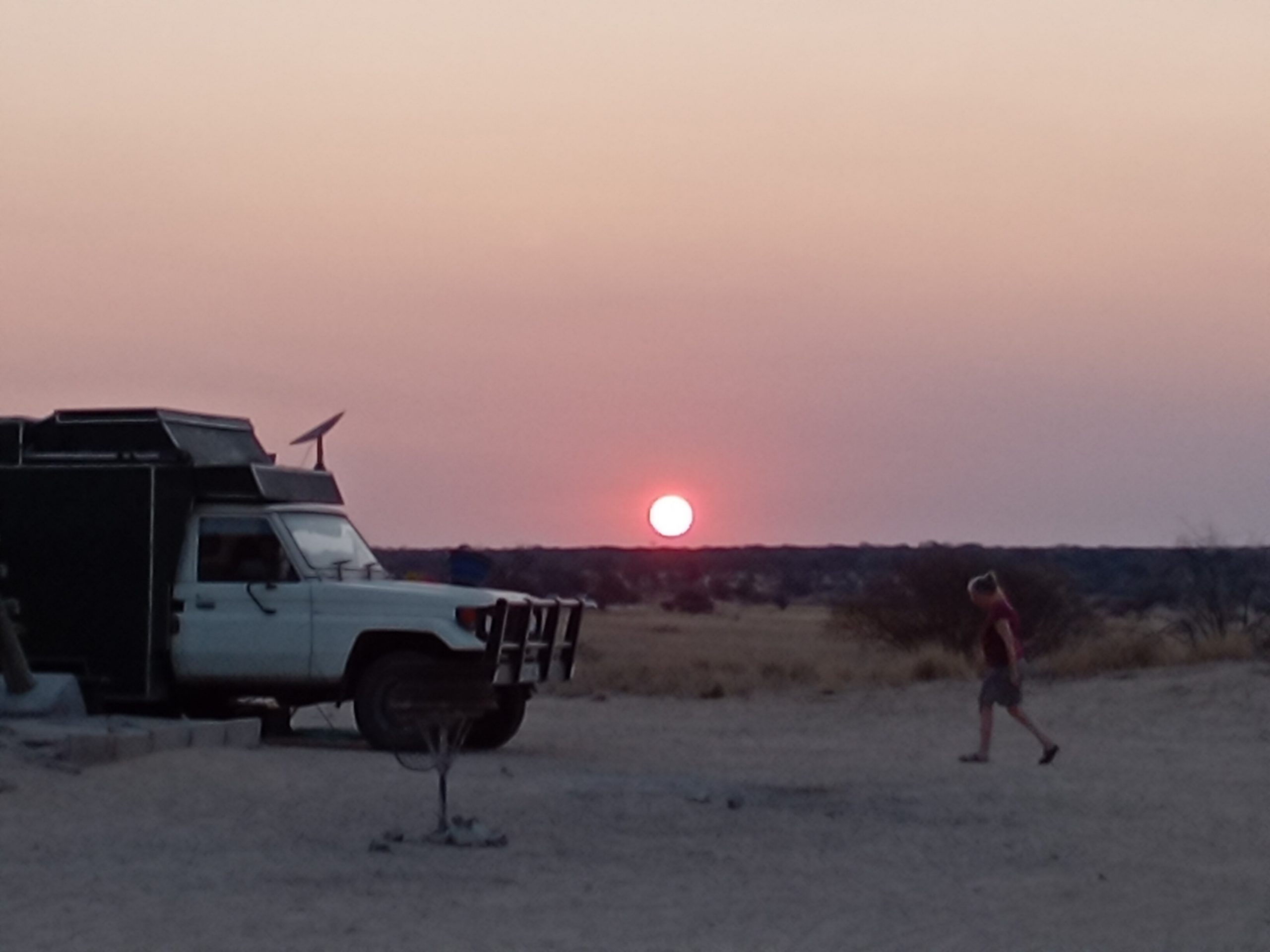
Our first night at Muduma at Campsite 2Elephant traffic jam that stopped us for 30 minutes along the track from Camp2 to Camp 4There were lots of baby Elephants in this group.Camped at Camp 4 overlooking the LagoonSunset from Camp 4Fixing the solar input cable. The cable was damaged last year when I hit a pothole in Zambia, the fix failed, and I had to fix it again.Baboons race past our campWe drove back to the gate office to extend our stay. On the way back we stopped at the hide to watch a herd of elephants come and drink and cool off in the lagoon.Some other elephants we passed on the way back from the gateA dead elephant we also passedWe had lots of great African sunsets from camp 4the view over the lagoon and the island, a panoramaWe stopped for breakfast when leaving Muduma, next to a hundreds of years old Baobab, that the bottom of the tree bark had been rubbed away by Elephants scratching themselves.
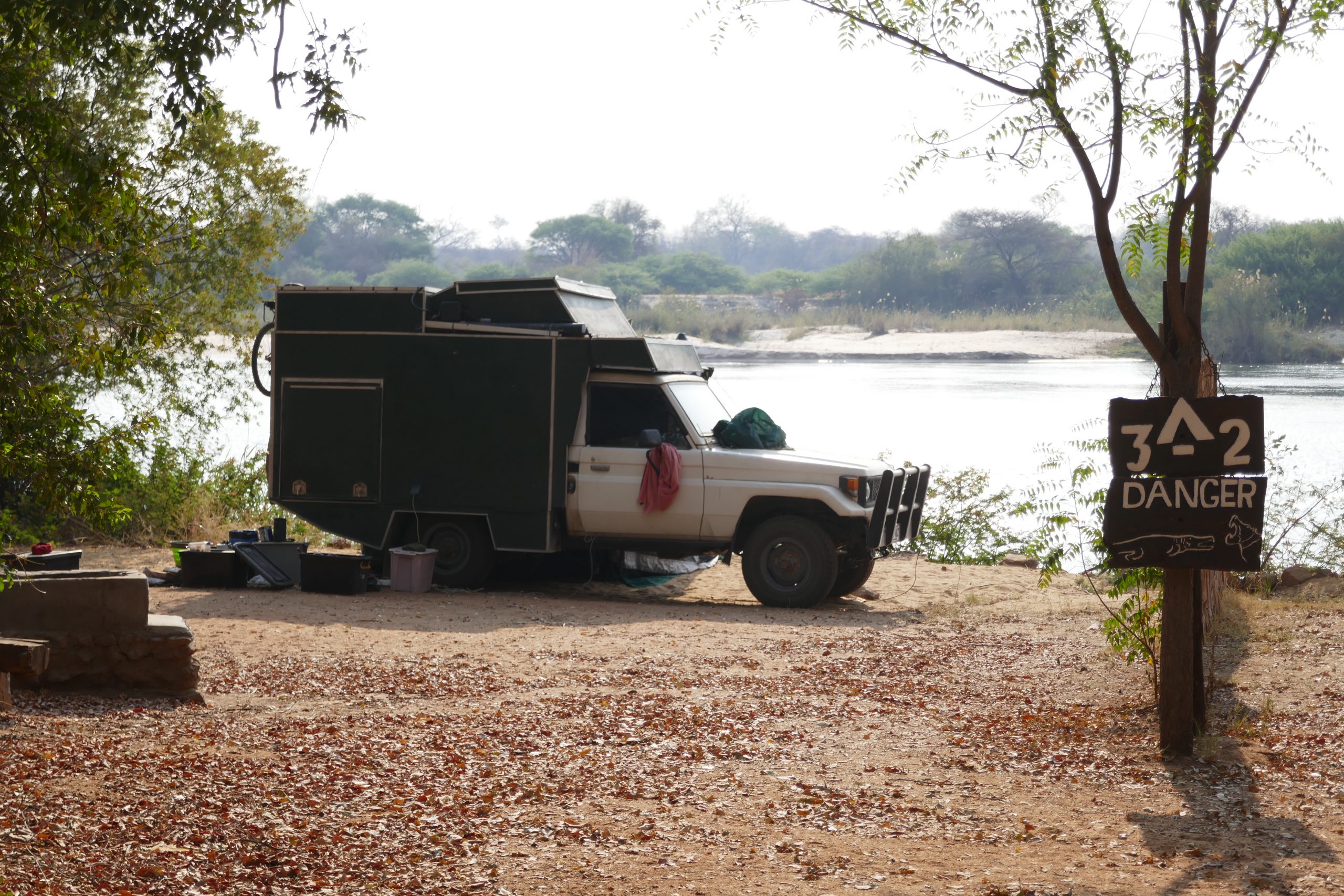
The temporary waterhole caused by the overflowing water tank had almost disappeared by the morning. We packed up and headed along the dusty road, with a fair bit of traffic on it to the A35 bitumen. Then heading north to Shakawe, where we went to the Choppies supermarket for more supplies. We then drove to three hardware stores looking for gas canisters, because we were getting low, however no luck. Then 7km south of Shakawe to Drotskys cabins. We were unenthused by Drotskys campsite, and we decided to make a run for the Namibian border and aim for Nunda River Lodge in Namibia on the Caprivi strip. So about 15km up the road we hit the border. Botswana is easy to leave, fill in a form and 30 seconds and your done. Took a bit longer on the Namibian side, but not too hard. Paid the Cross border charge for the vehicle, about $30, and we were on our way north. We arrived at Nunda and got to choose our campsite, so we choose one right next to the river, and the hippos.
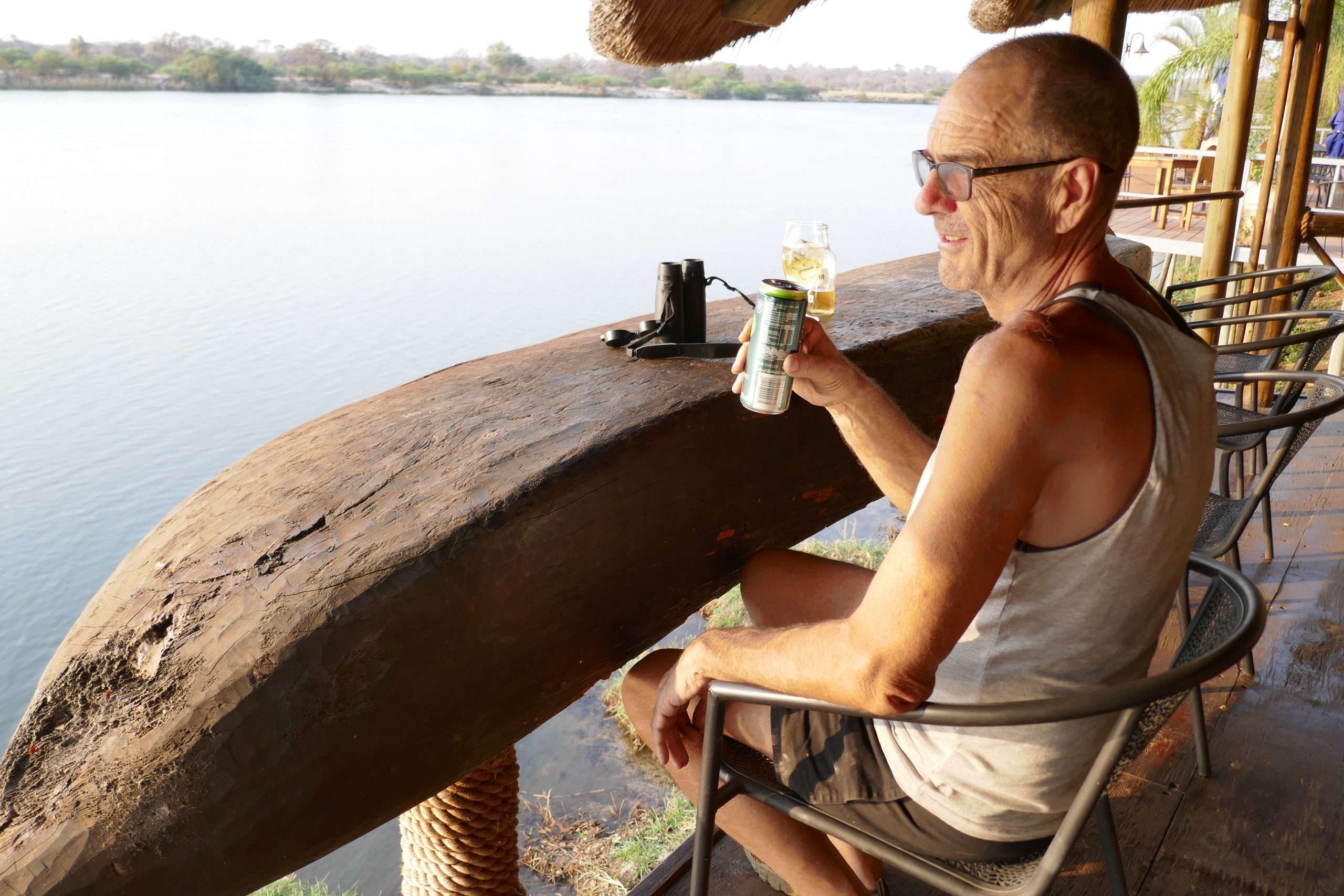
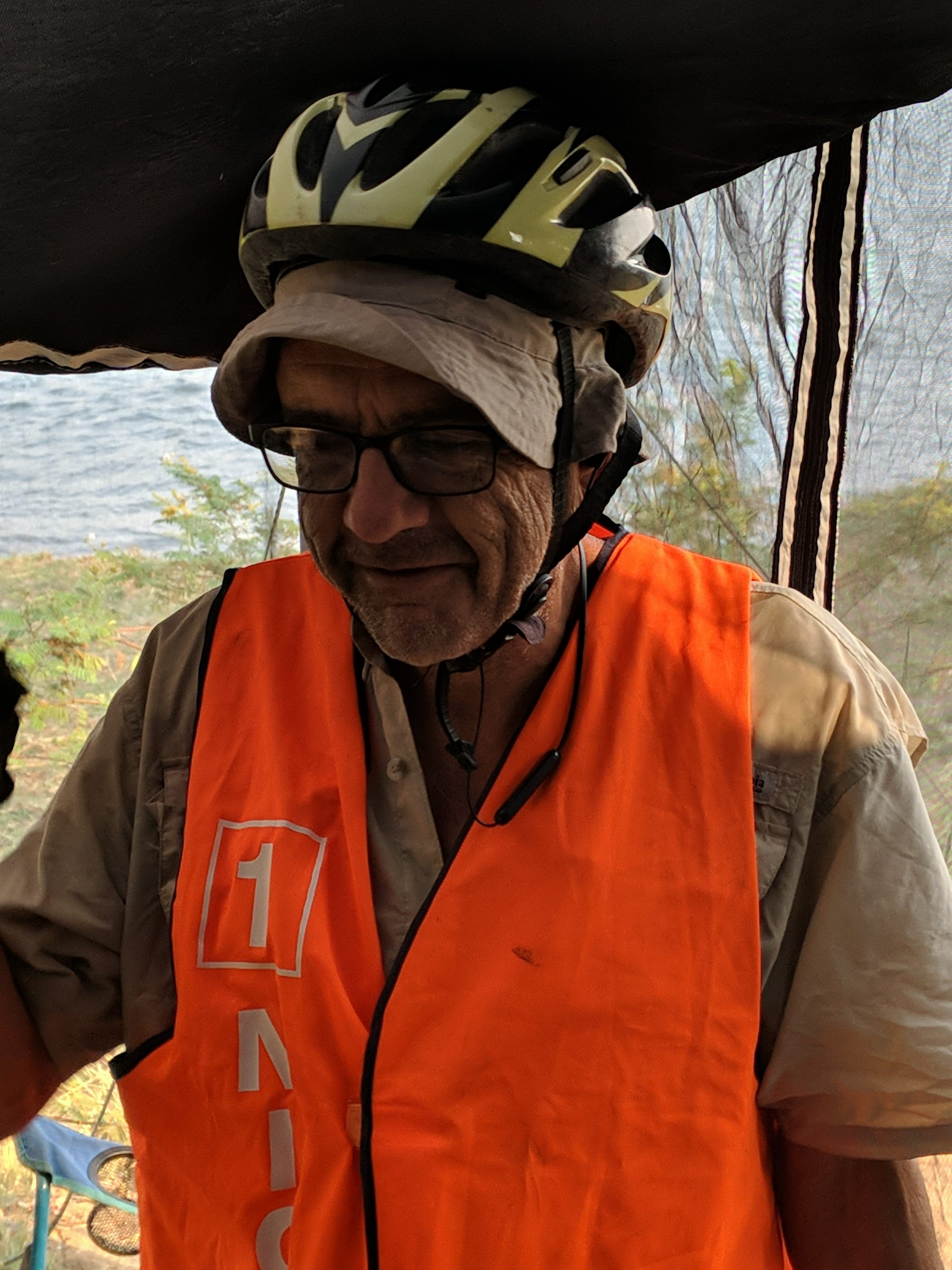
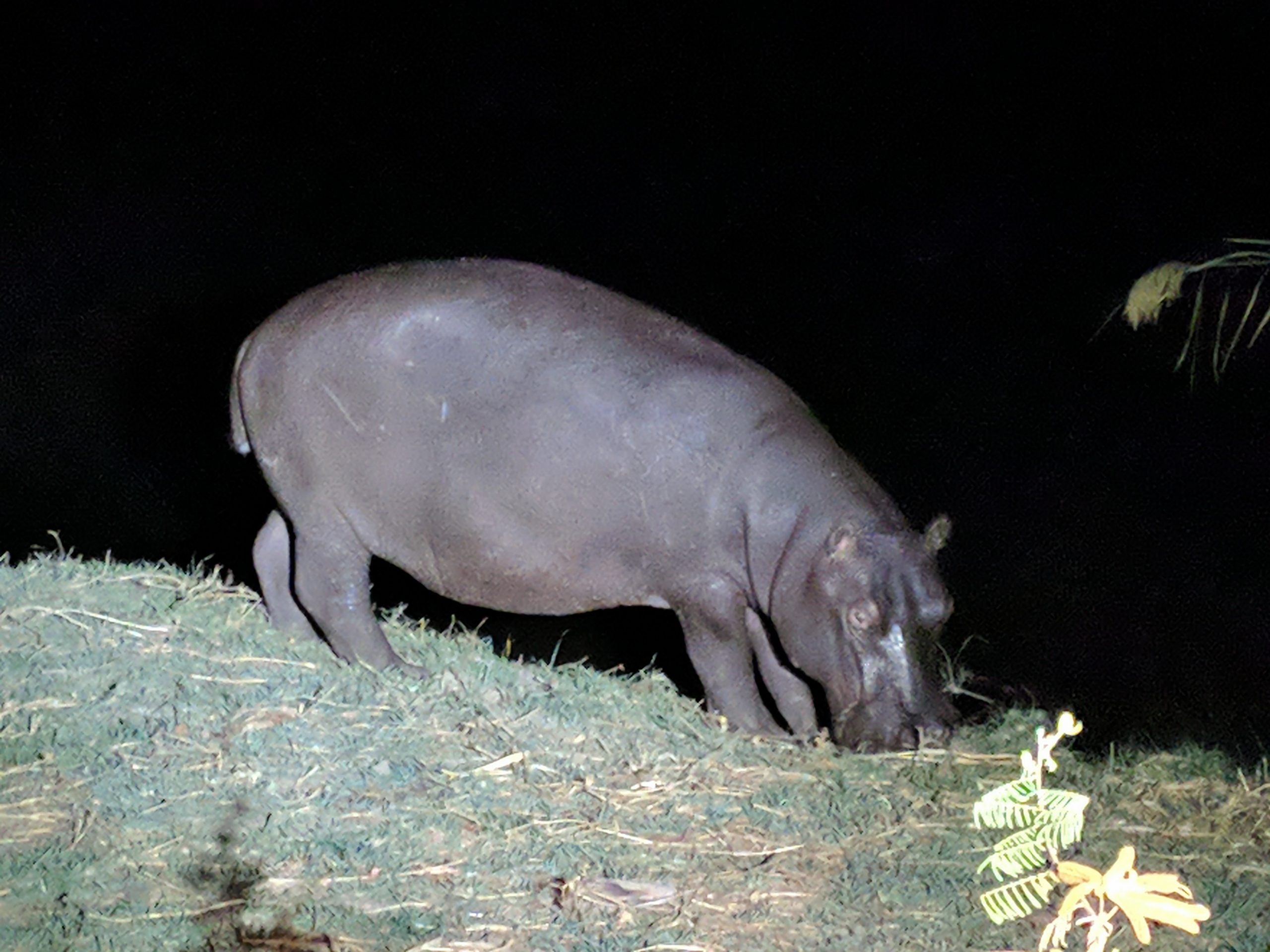
The four days we spent at Nunda were hot, around 39C. We used the swimming pool a few times. I rode my bicycle into Divundu a couple of times, 16km return. I installed an external 240v power point so we can get power outside the camper when we are camped with 240v power. The hippos visited almost every night. We often had a Hippo only 3m away from our tent.
Sitting at the bar watching the Okavango RiverNandu campsitegetting ready to ride into DivunduA hippo just below our tent
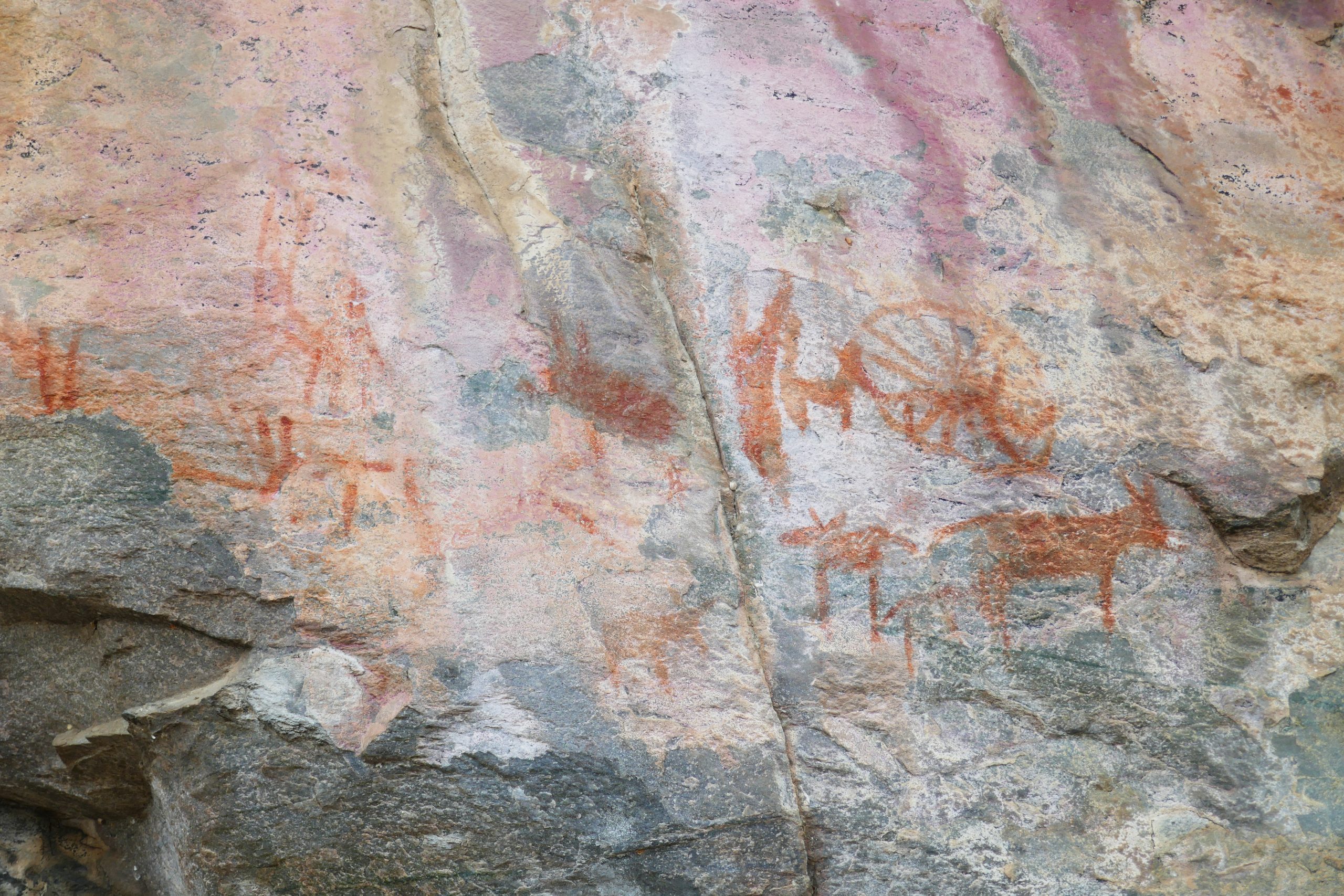
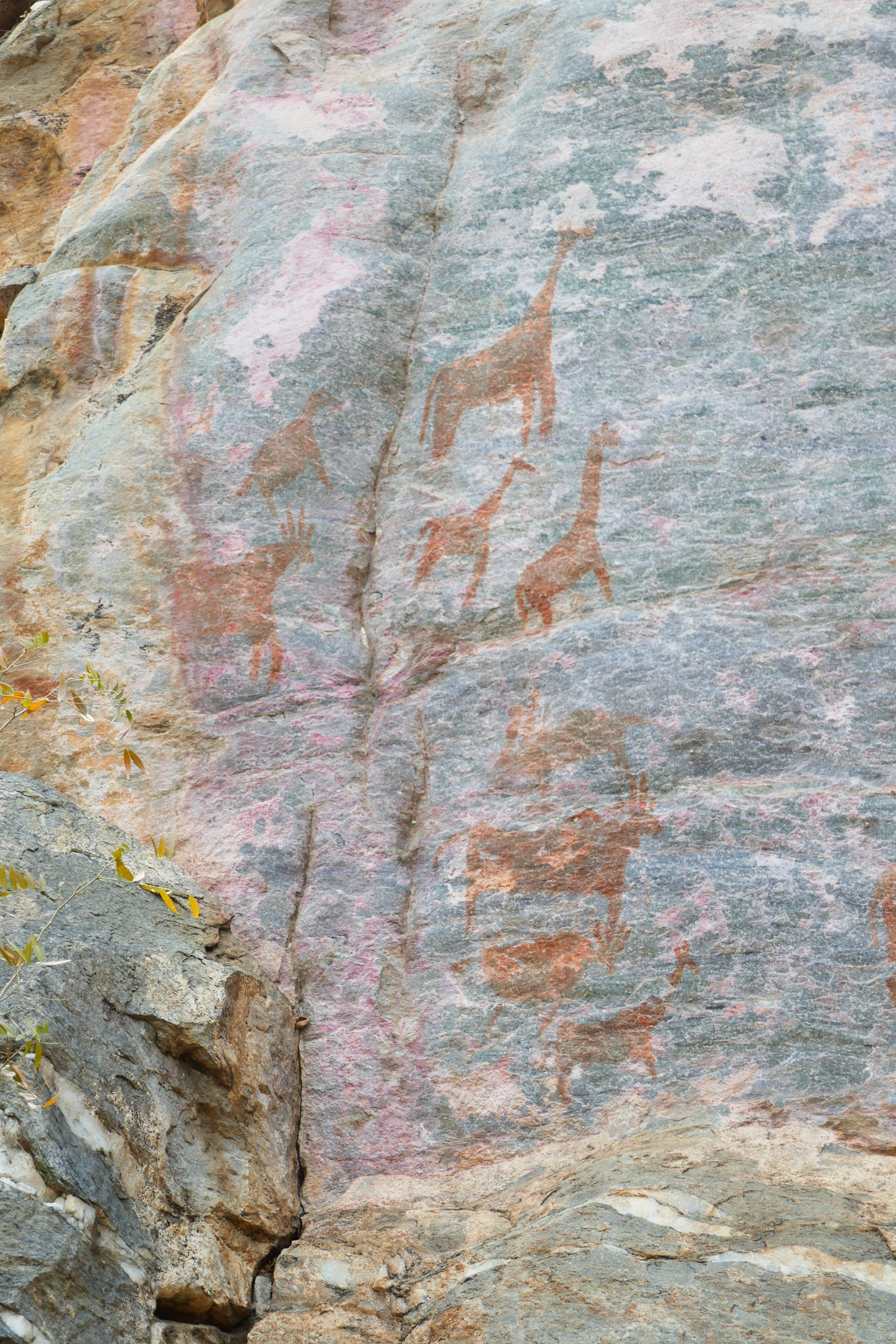
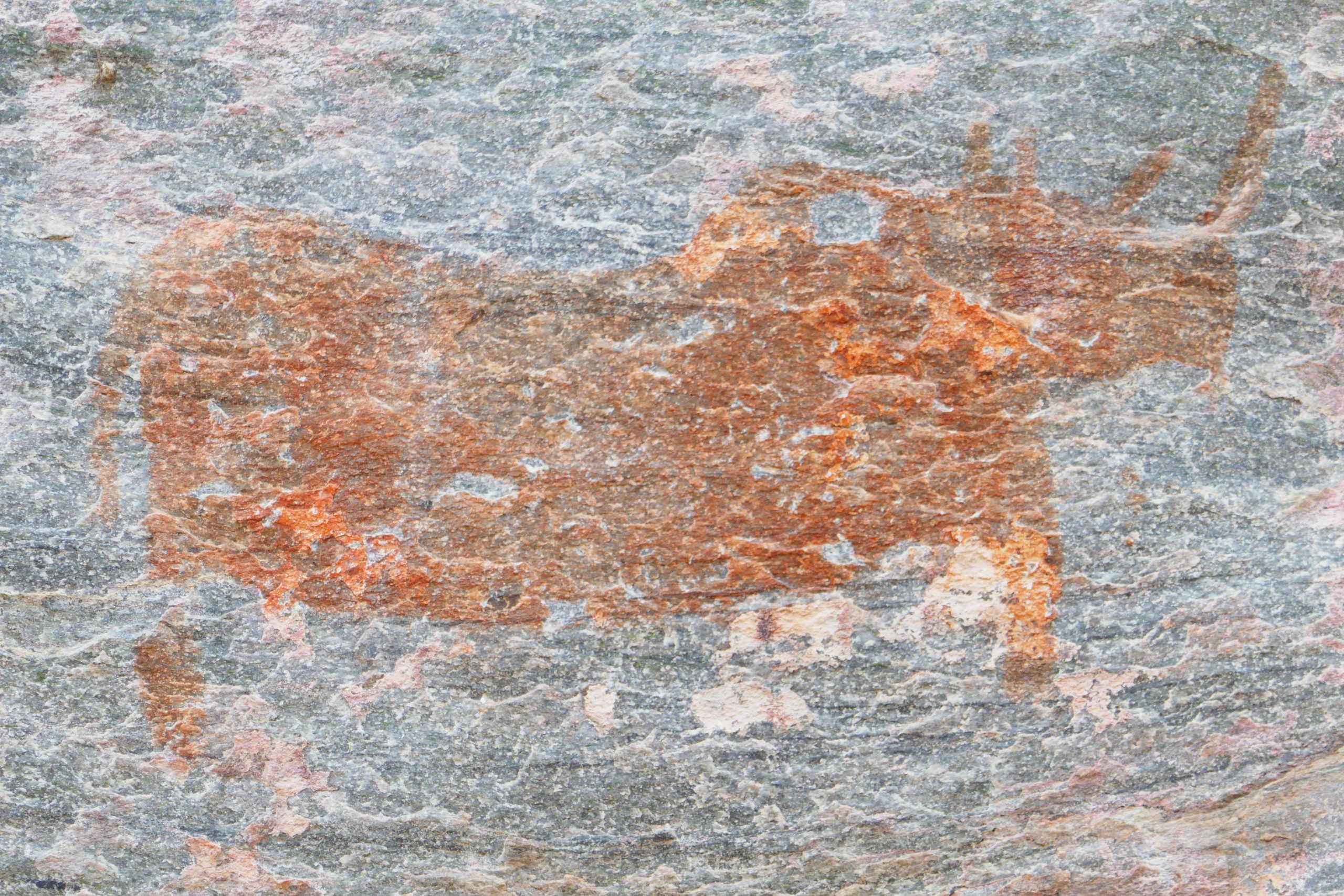
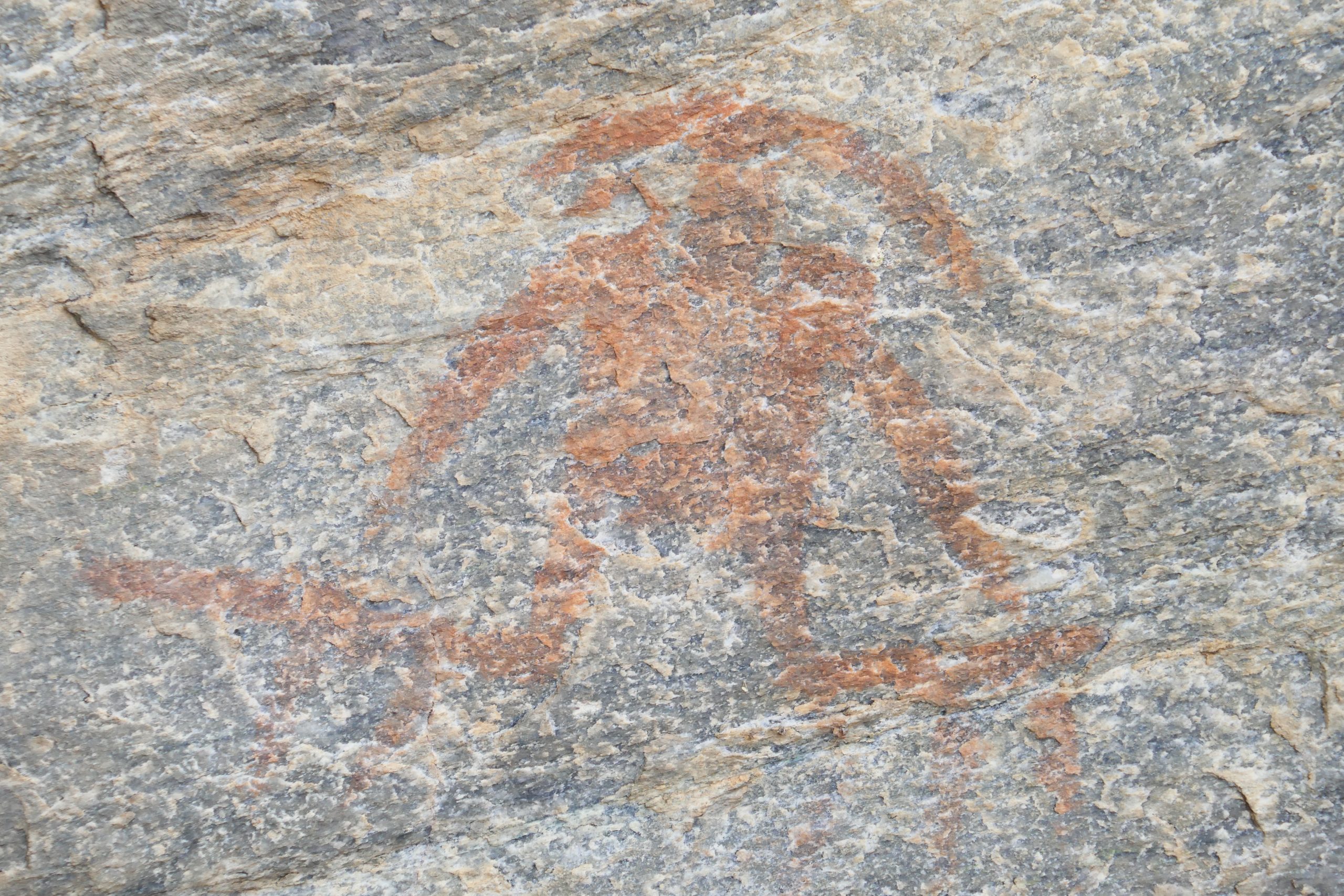
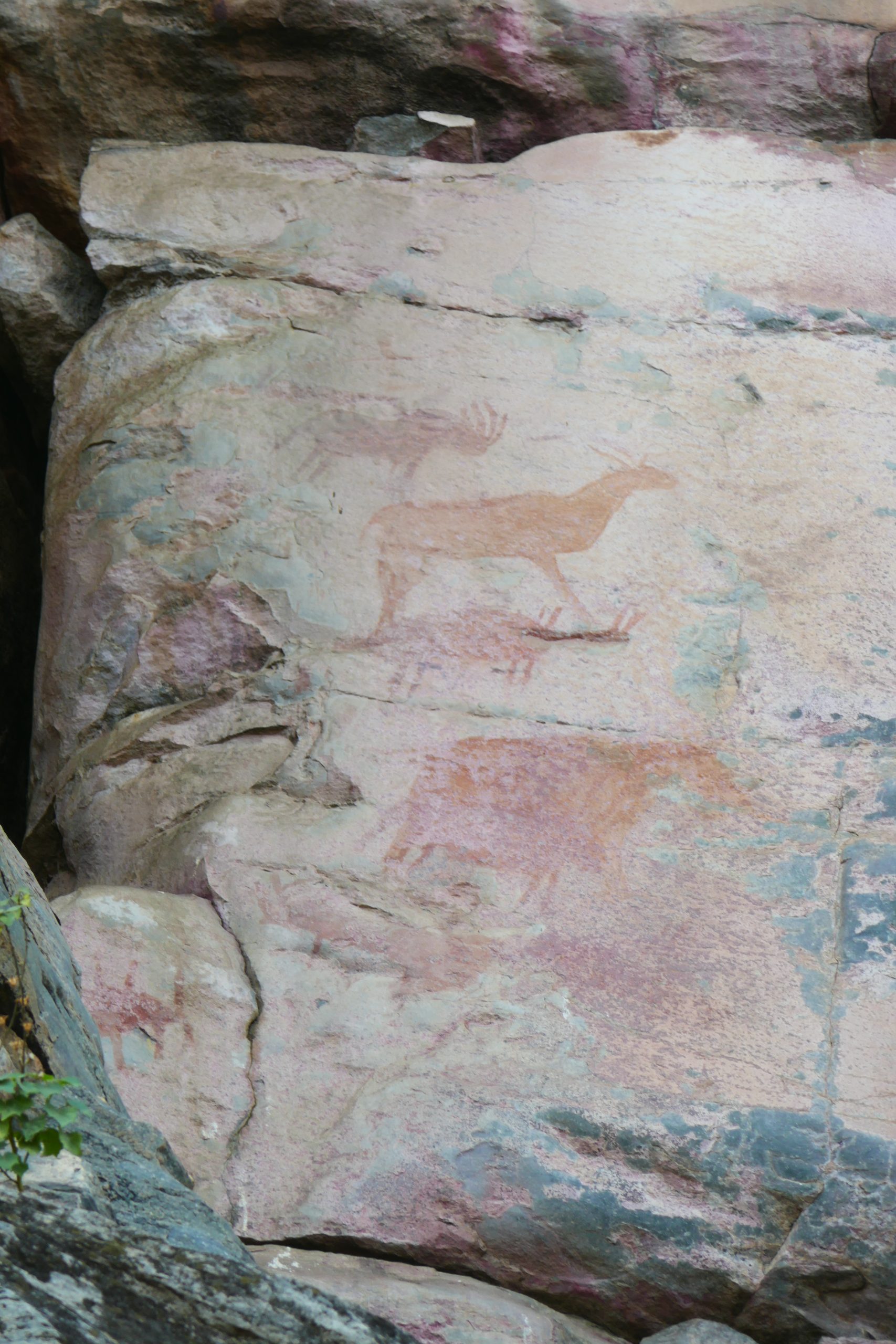
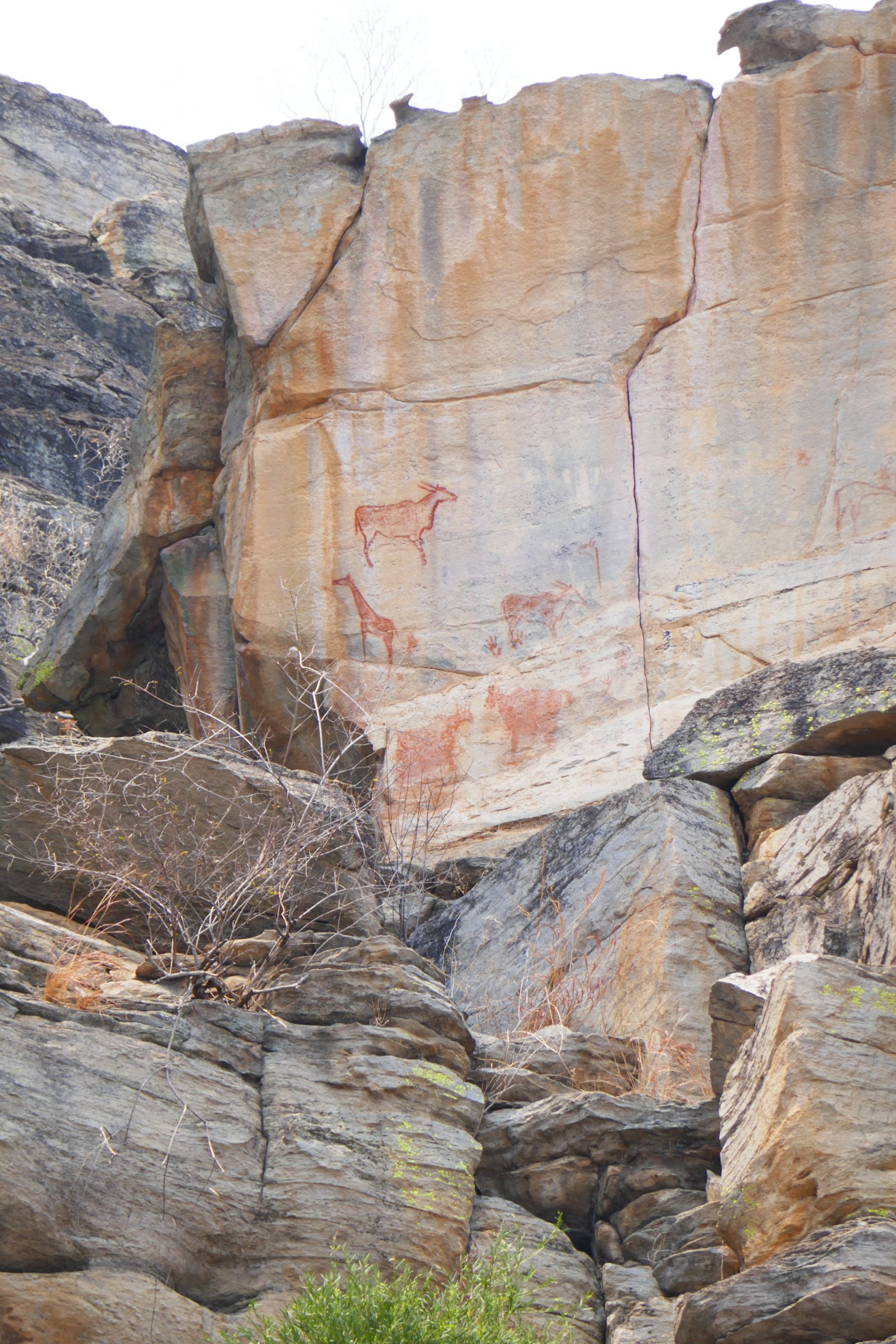
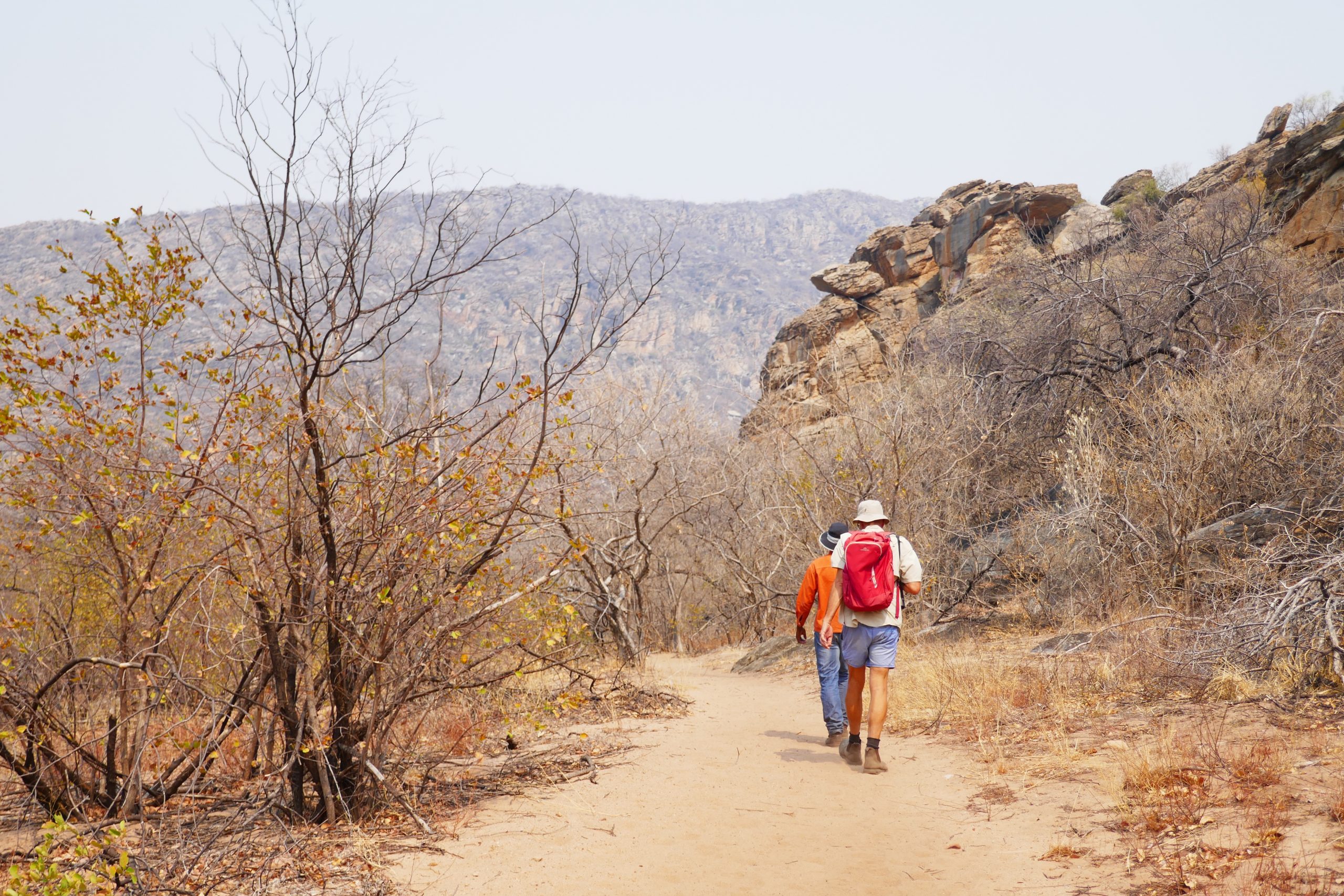
We left Guma Lagoon early, partly so we would traverse the 10km sandy track to Etsha 13 when it was cool, making the sandy track easier to drive on. We re-inflated our tyres at Etsha 13, only to find our compressor air line had a leak, but not bad enough to stop us inflating them. We headed up the crumbling bitumen of the A35 towards the turn-off to Tsodilo Hills. The road to Tsodilo hills is a dusty track, and at its end we reached the Tsodilo Hills community campsite. We paid out dues and checked out the campsite. Then we headed up to the Museum and the guides that could take us around the rock paintings. We arrived and found several other people at the museum, including a couple of Australians who were a bit surprised to find a South Australian registered car driving around Botswana. A guide came up and introduced himself, and persuaded us not to do the whole Rhino walk, but just to the do the first half and turn around. It was a hot afternoon, and not the ideal time to be hiking around the Tsolido Hills. The paintings were interesting. Some of the descriptions of the paintings seemed a little dubious, and the age of the paintings must vary a lot because the styles are so different.
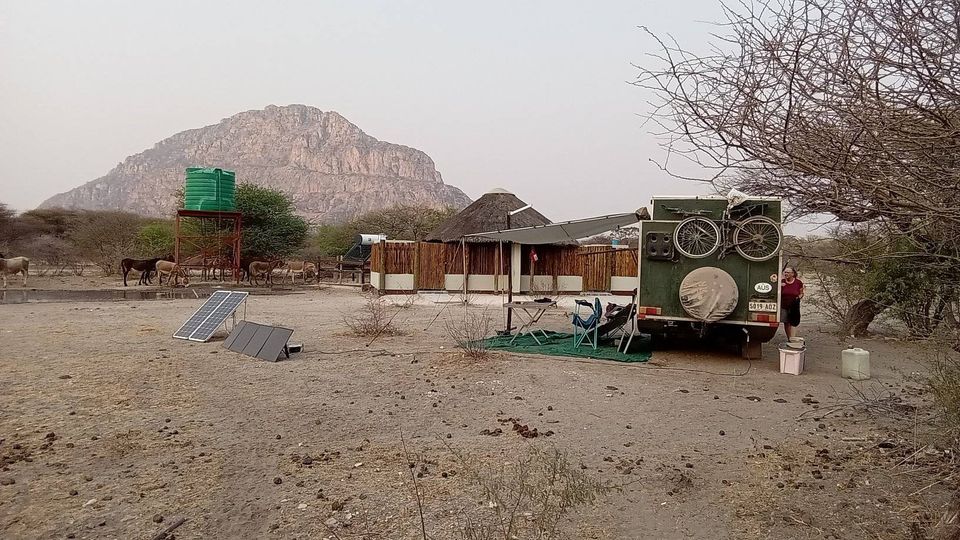
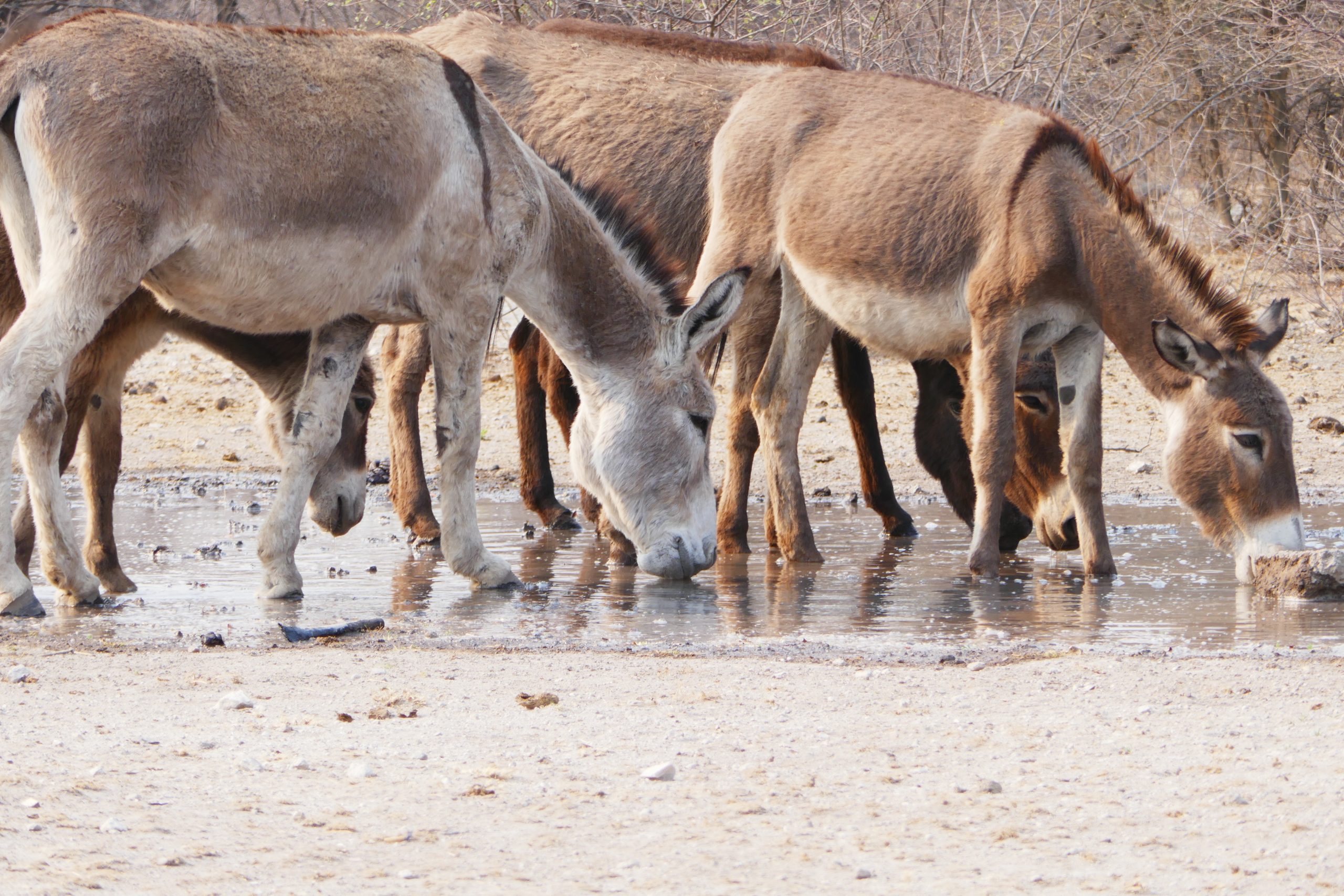
After a hot walk of a couple of hours, we finished at 3pm, and retired to our campsite, where there was an overflowing tank bringing all sorts of animals from around.
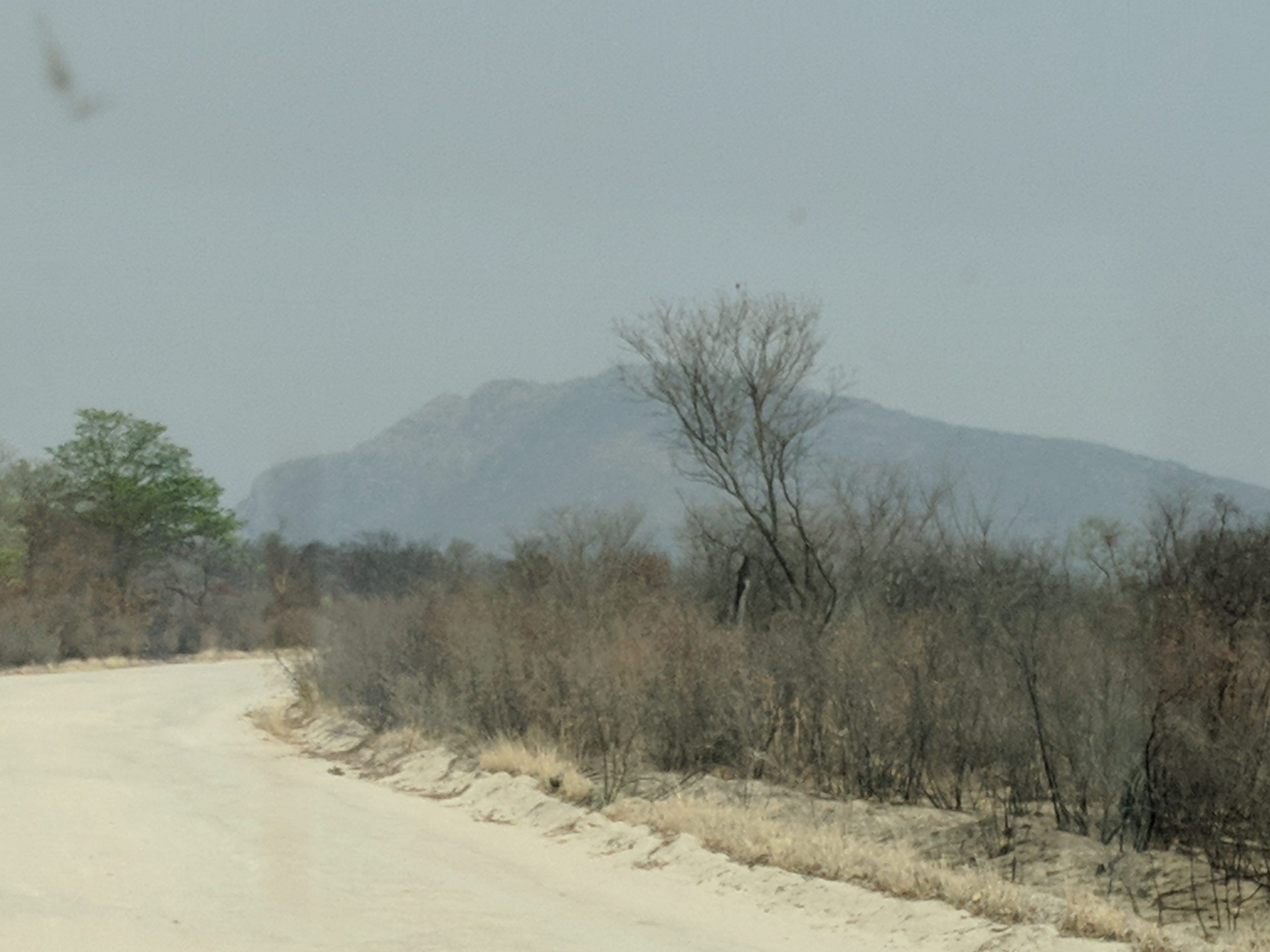
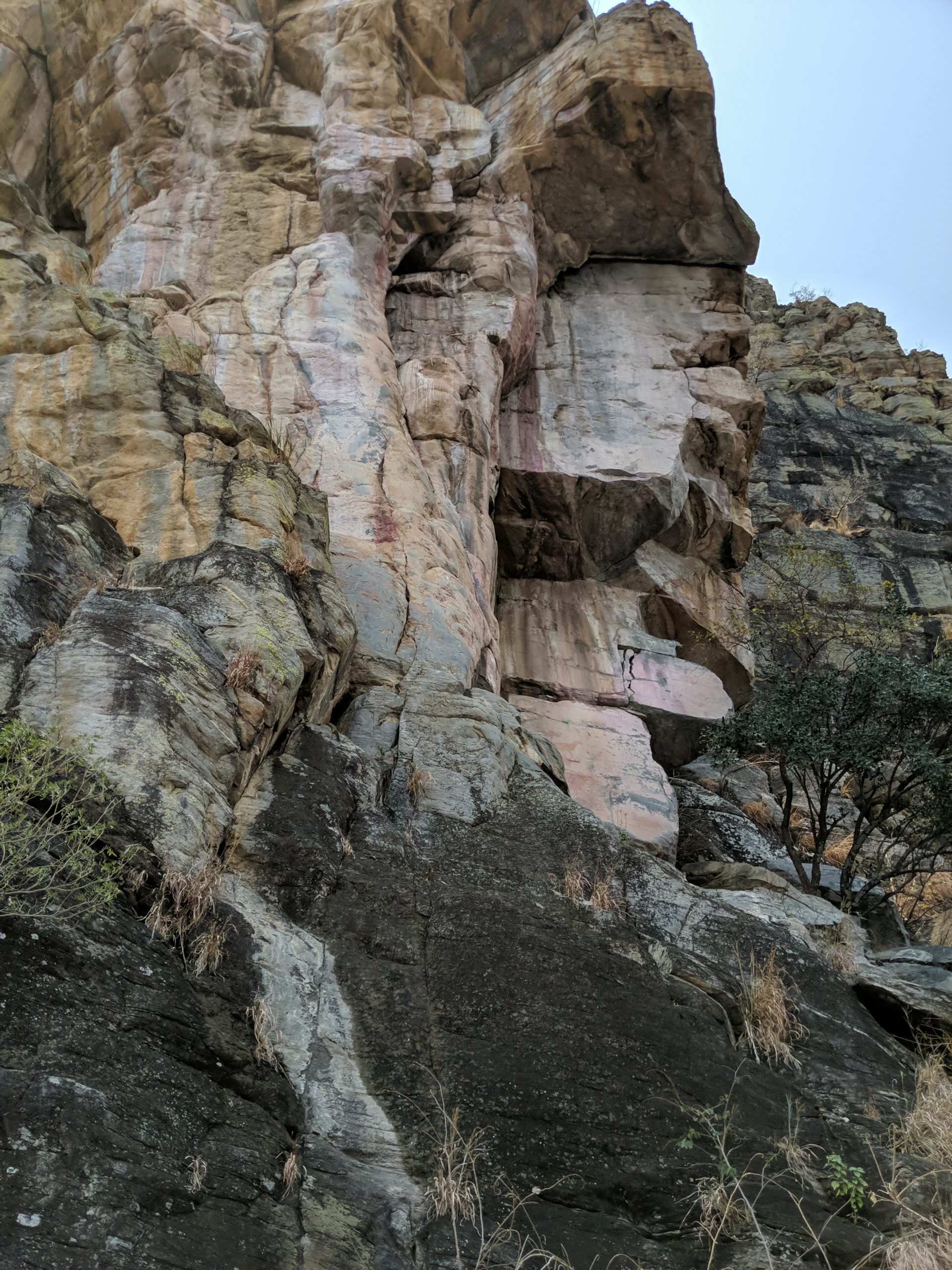
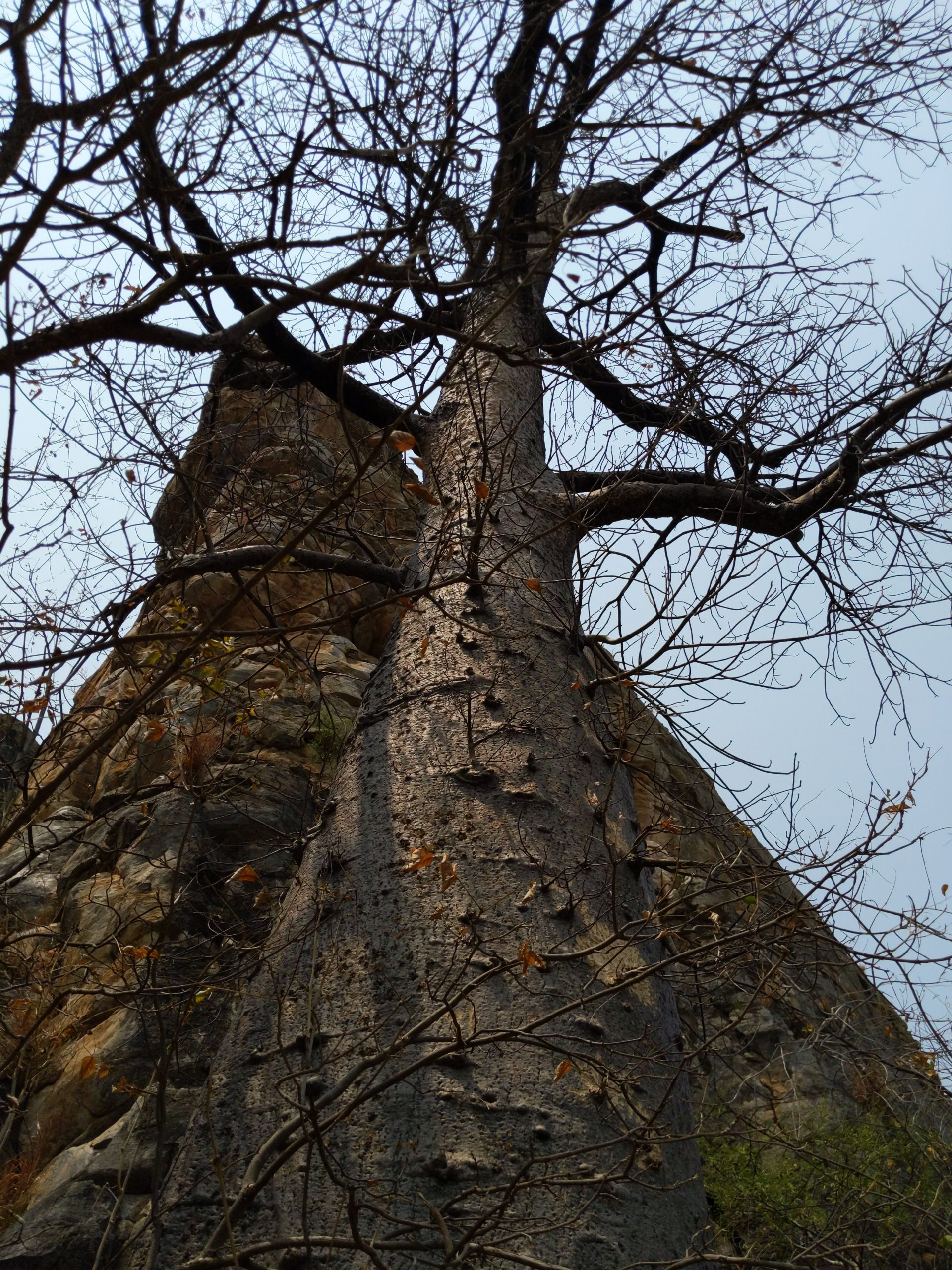
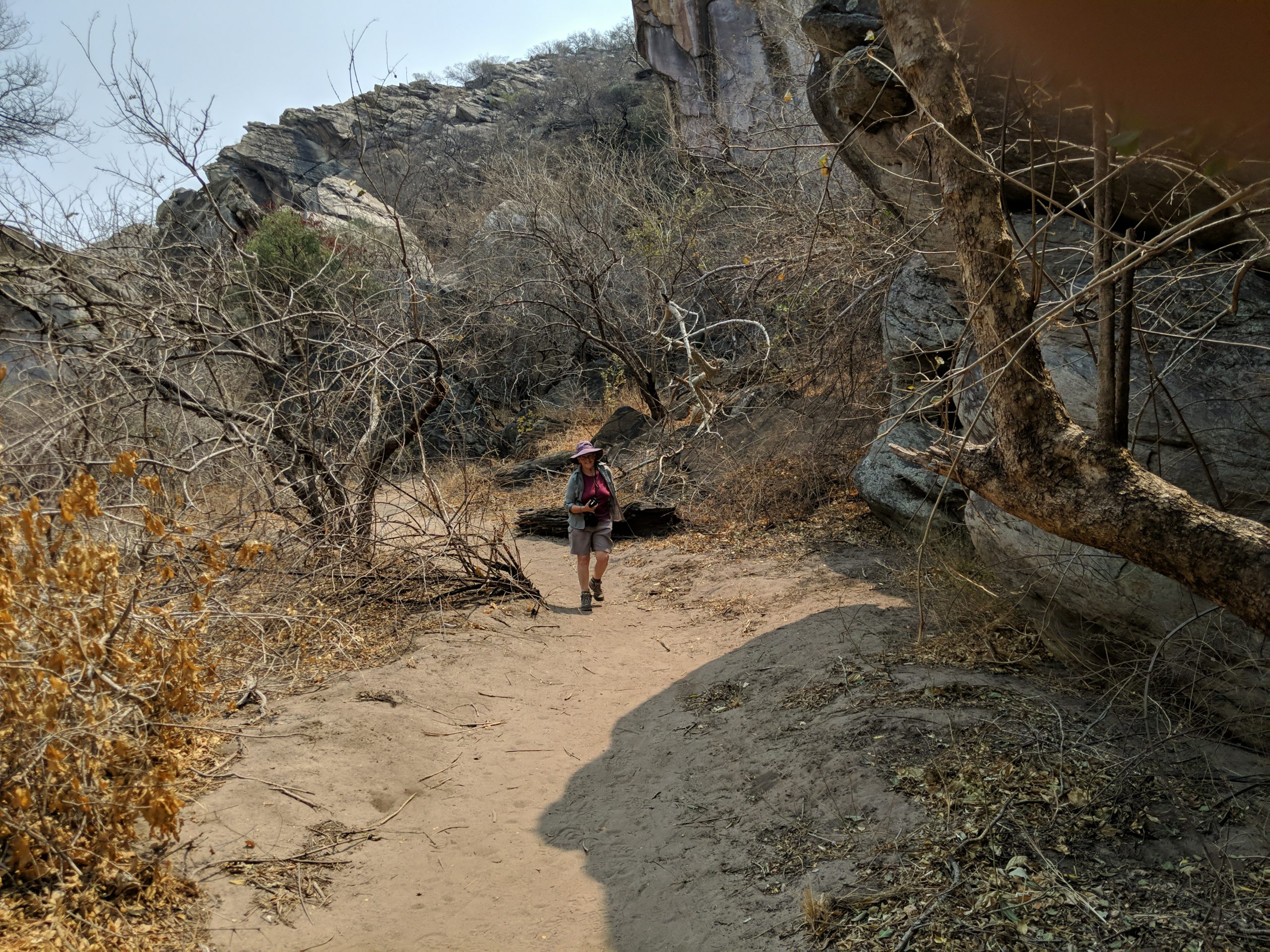
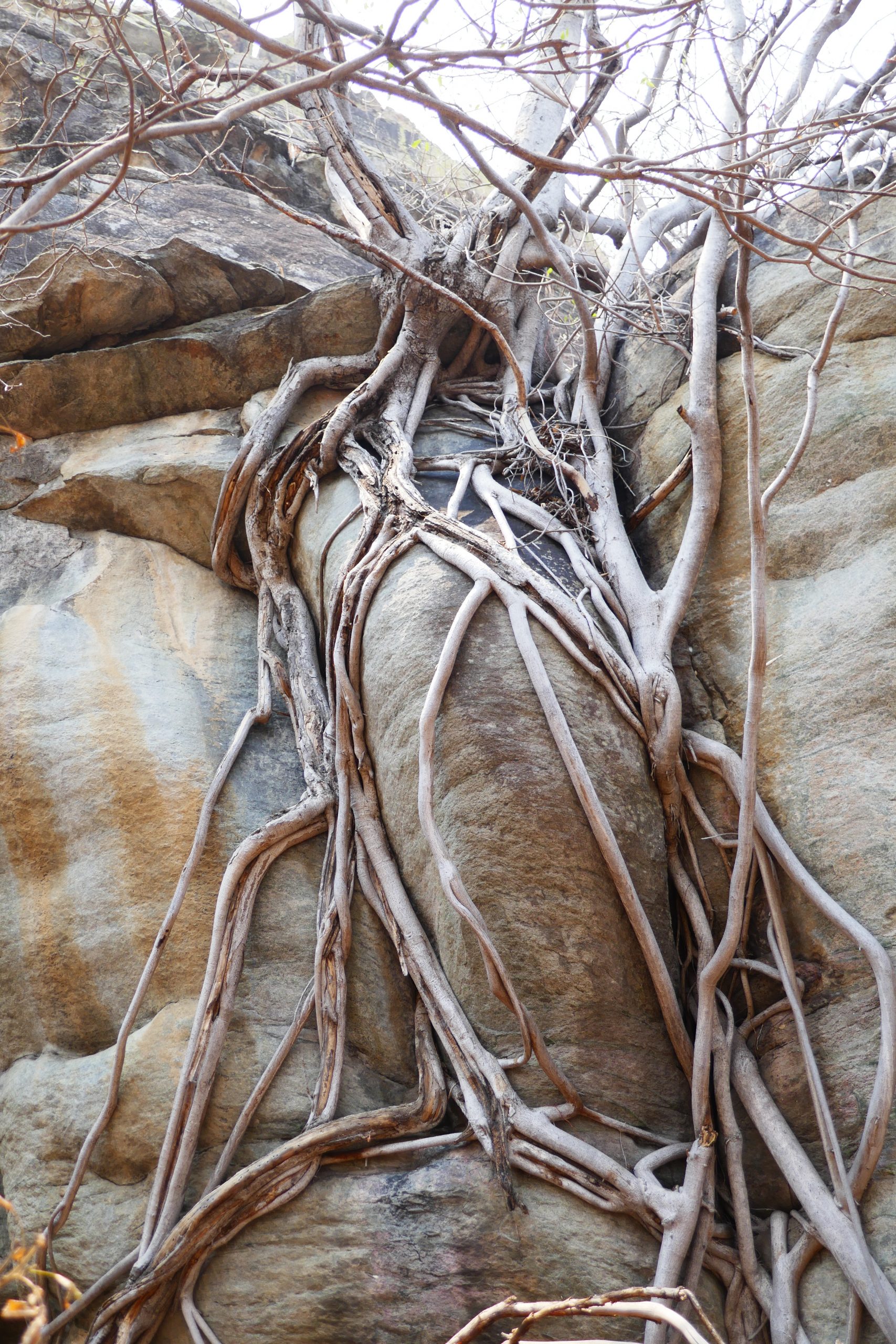
Approaching the Tsolido Hills. They dominate the landscape of flat Botswana.the coloured Sandstone of the Tsolido HillsBoababthe Rhino trail
s
Camped at the Tsolido Hills community campsite
the donkeys came from all around to drink at the waterhole created by an overflowing water tank.
The never ending dust at Thakudu was getting to us after 4 days, so it was time to move north. A suggestion by Bart, and an email inquiry and we were heading north from Ghanzi to Guma Lagoon. We drove into Ghanzi, first for supplies, and for Greg to get a severe haircut at a roadside stall for $A6. We then headed north, stopping part way to offer a touring bicycle rider some water, and hear his stories of bicycle touring Africa. We wild camped about 340km north about a kilometre off the road, never seeing anyone. The next day we drove about 70km to Etsha 13, towns that were previously refugee camps for Angolians from the Angolian civil war. Then it was a sandy 10km drive to Guma Lagoon. We deflated the tyres and wandered amongst the many tracks, passing some elephants in the distance until we got to Guma Lagoon. We planned to stay four days at Guma Lagoon. Unfortunately there was no mains power, and we were camped under trees. So we struggled for power, and the starlink dish struggled for internet through the trees. However we went on a “night drive” in a boat out on the lagoon, seeing birds and crocodiles. Then another day we took a two hour birdwatching boat trip out on the lagoon.
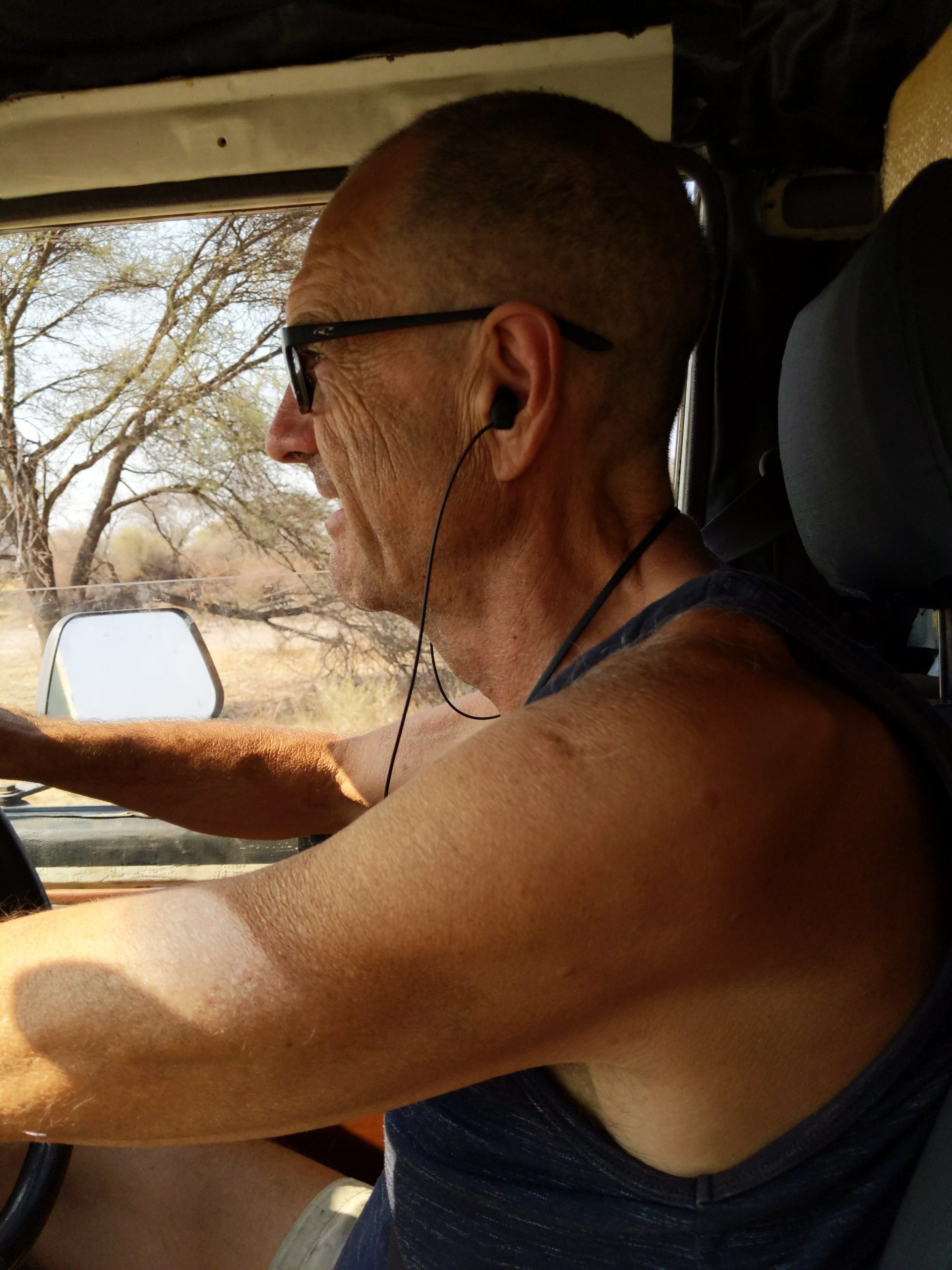
Greg’s severe $6 roadside haircut
the sandy track to Guma Lagoon
Lowering tyre pressure
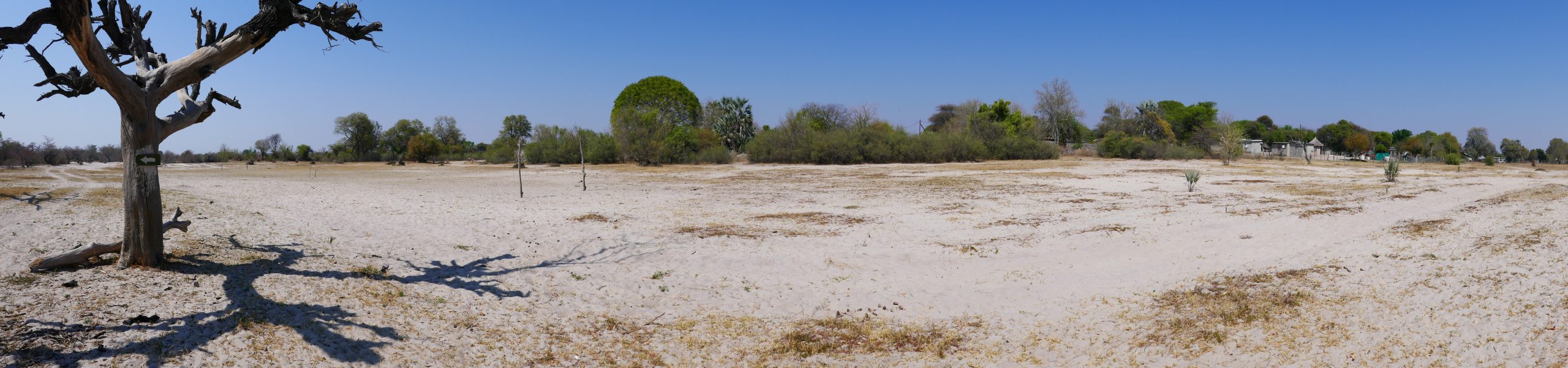
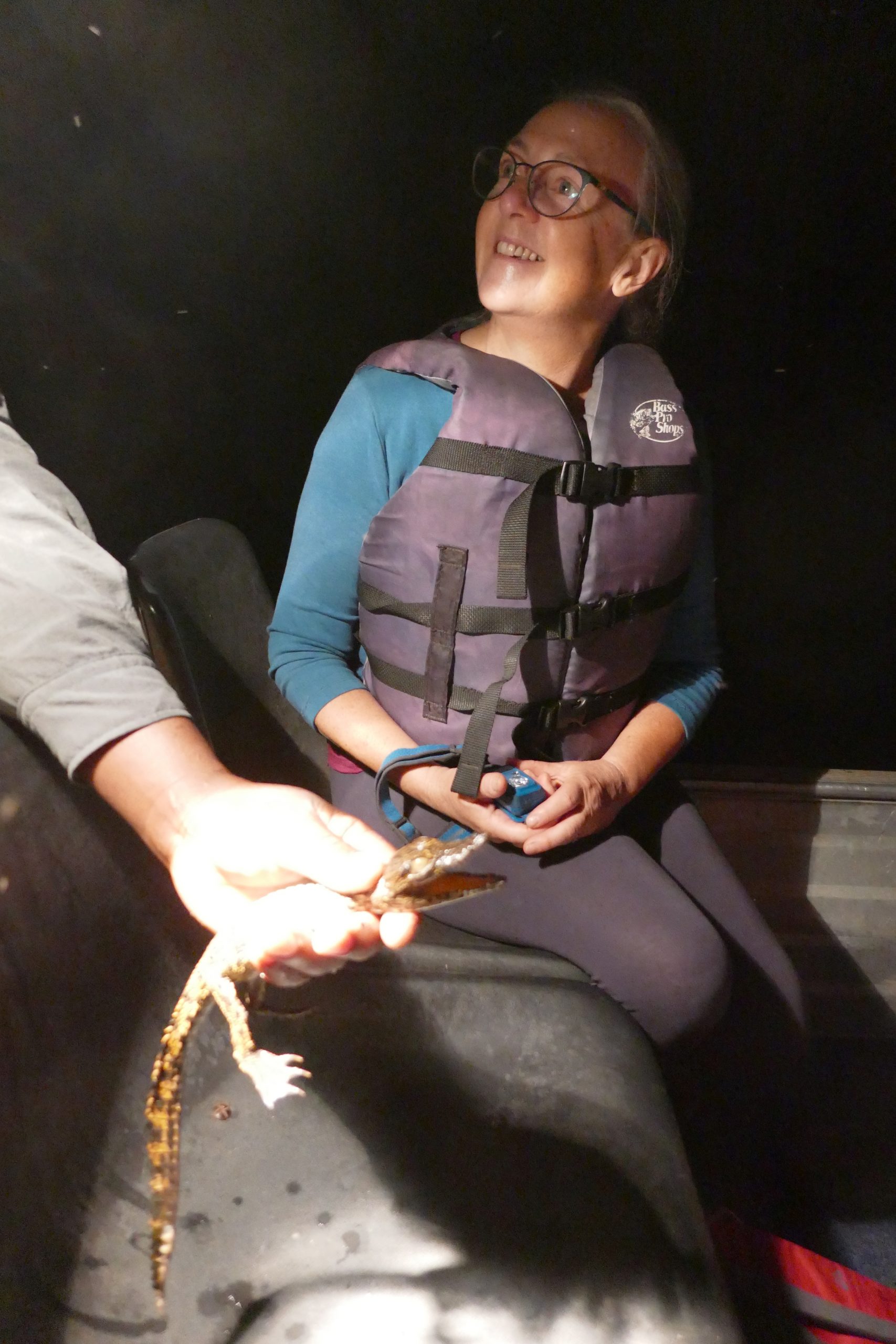
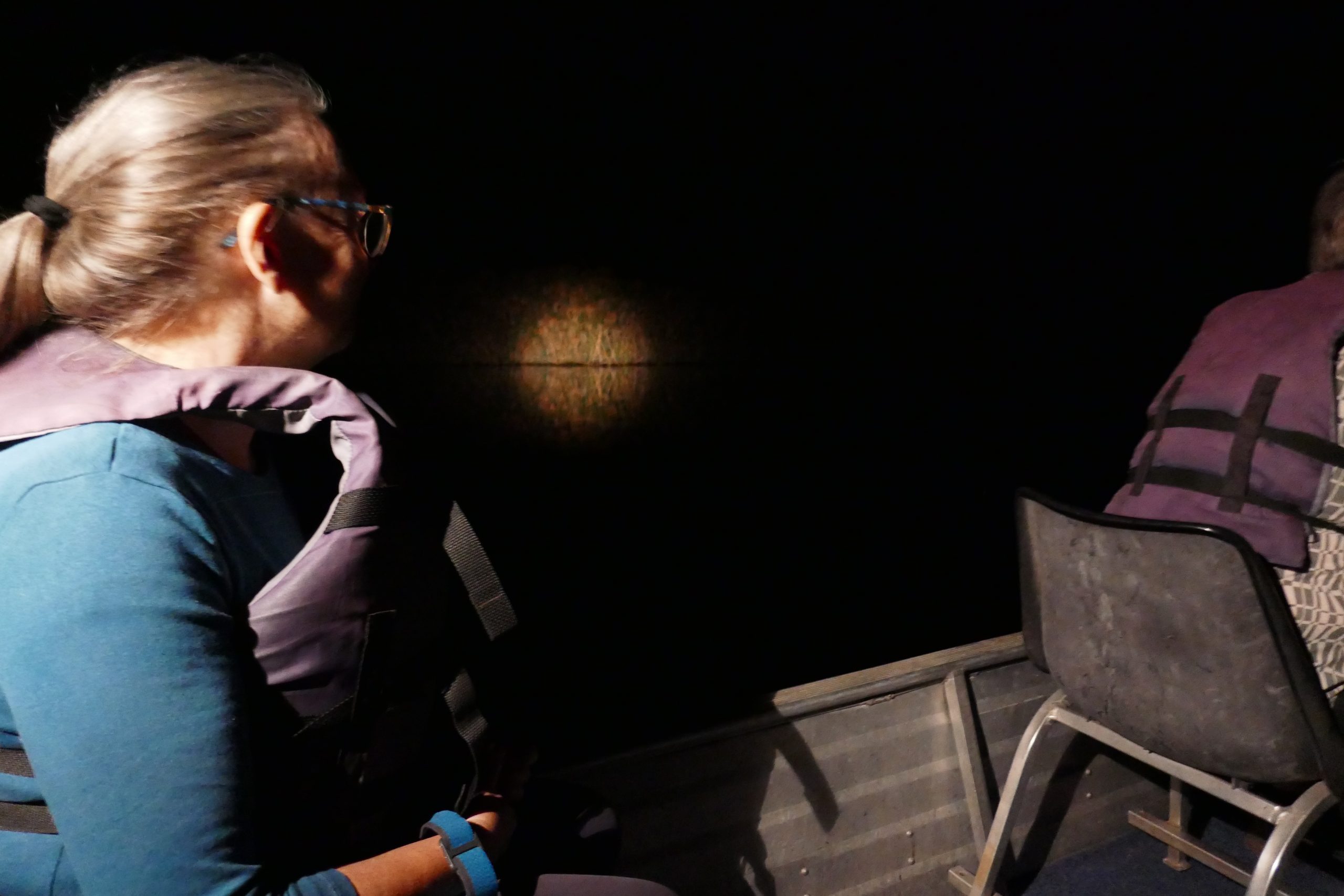
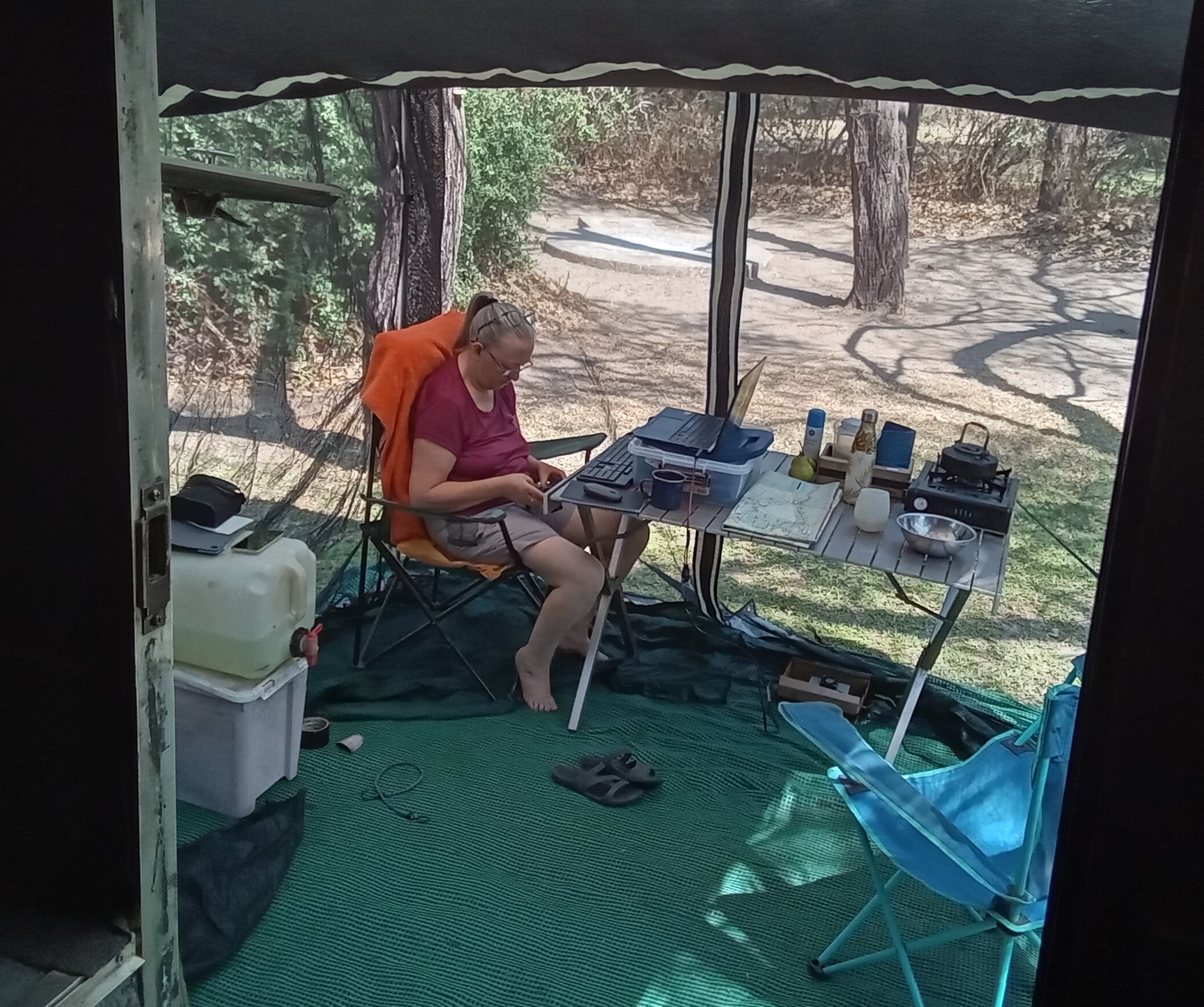
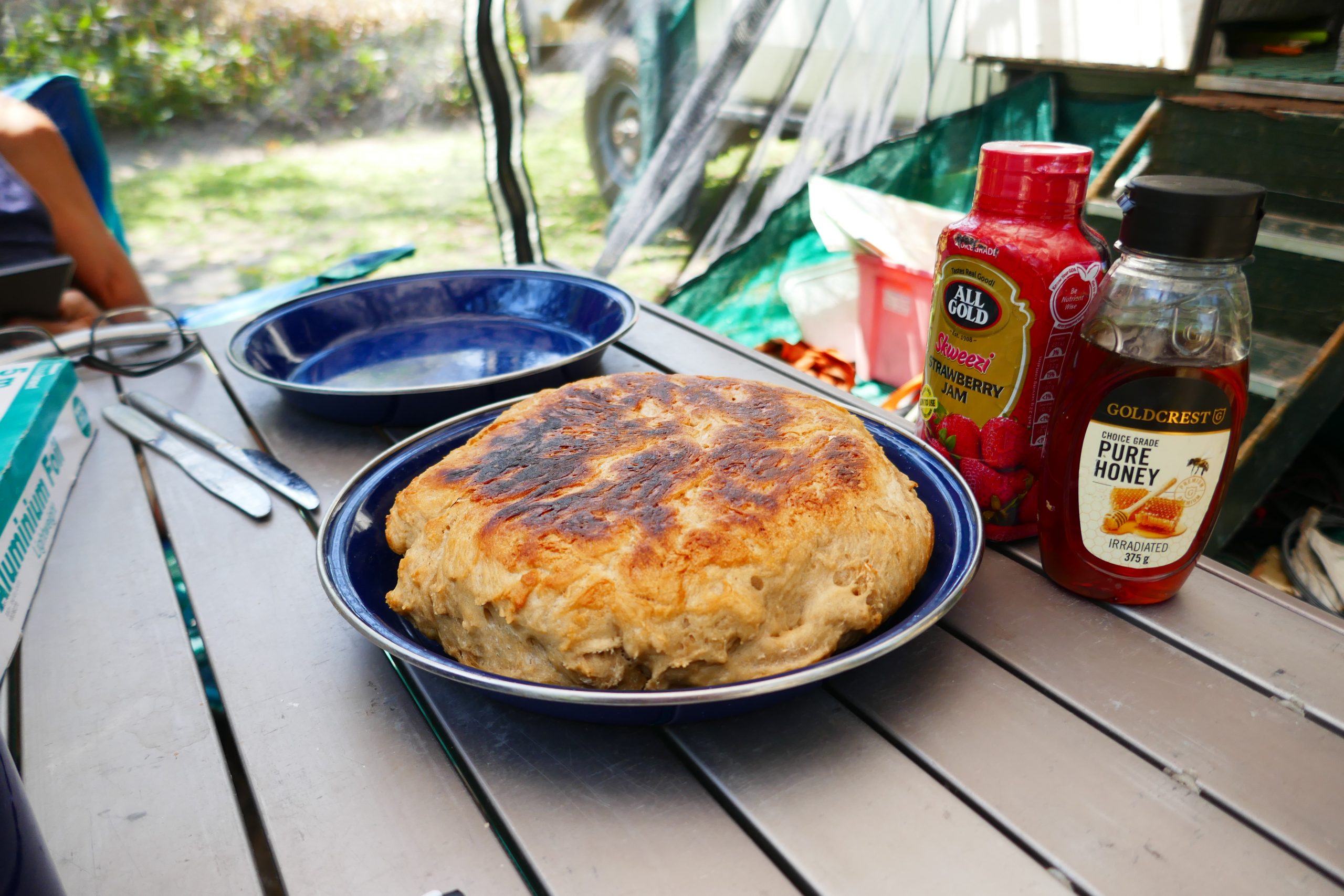
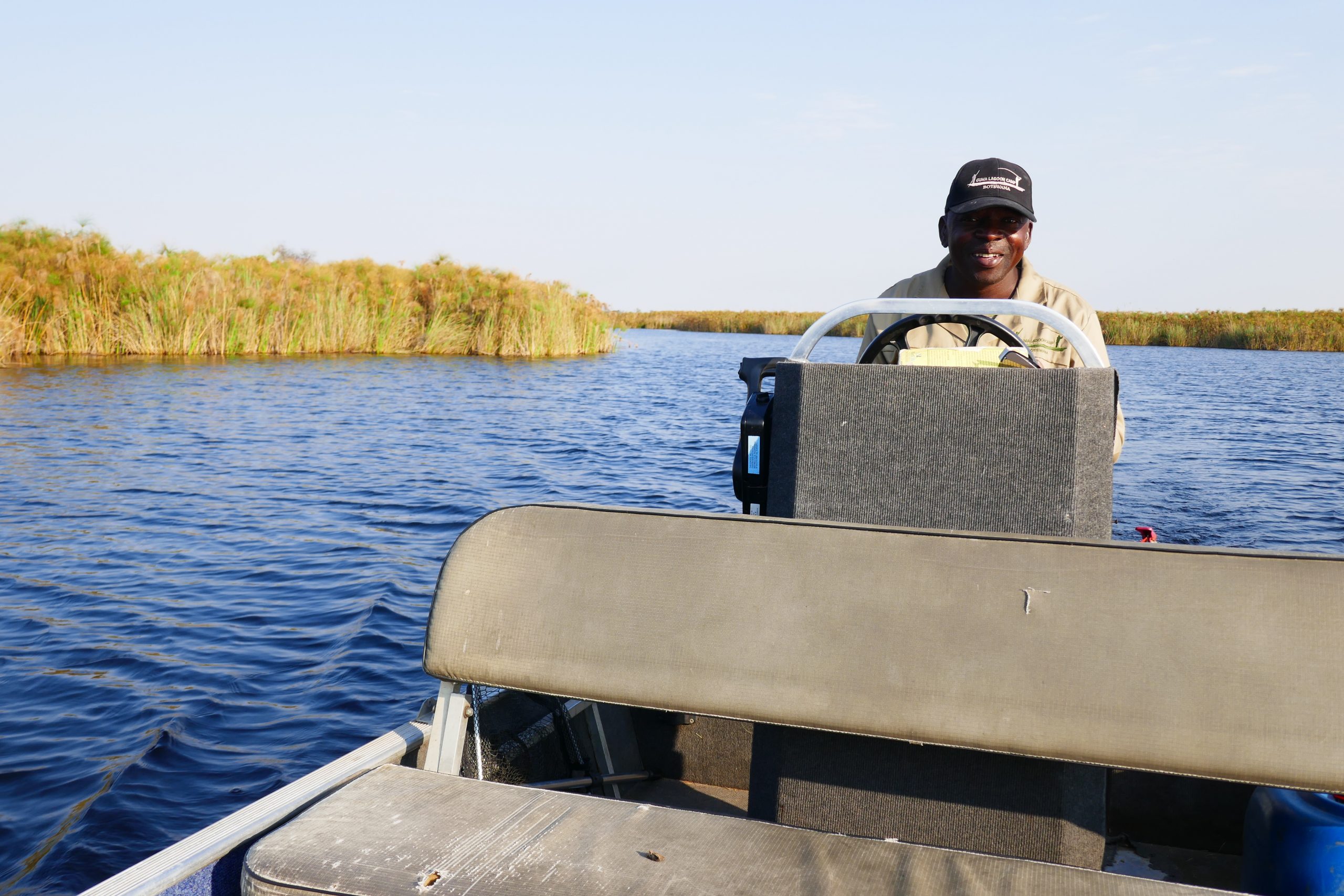
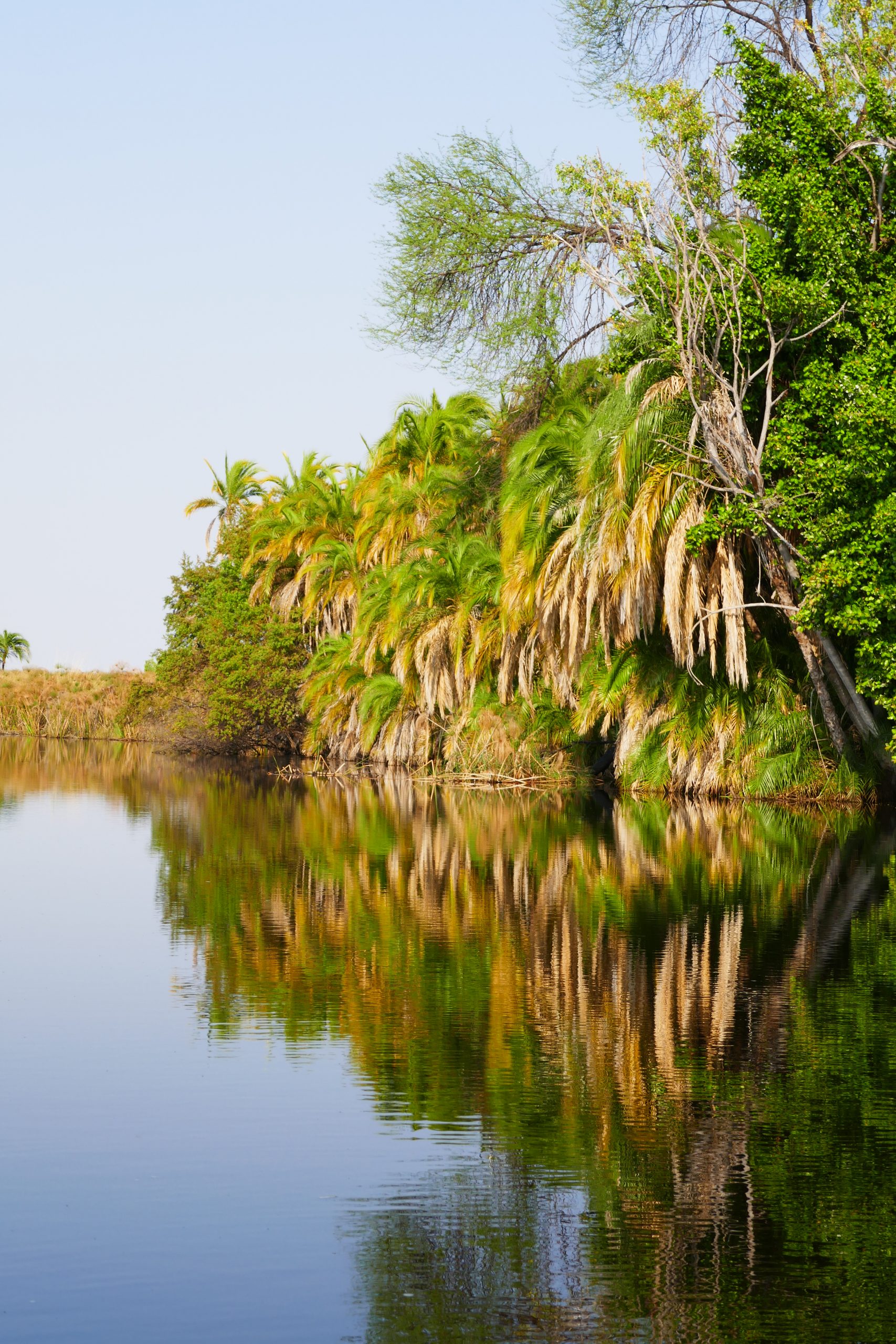
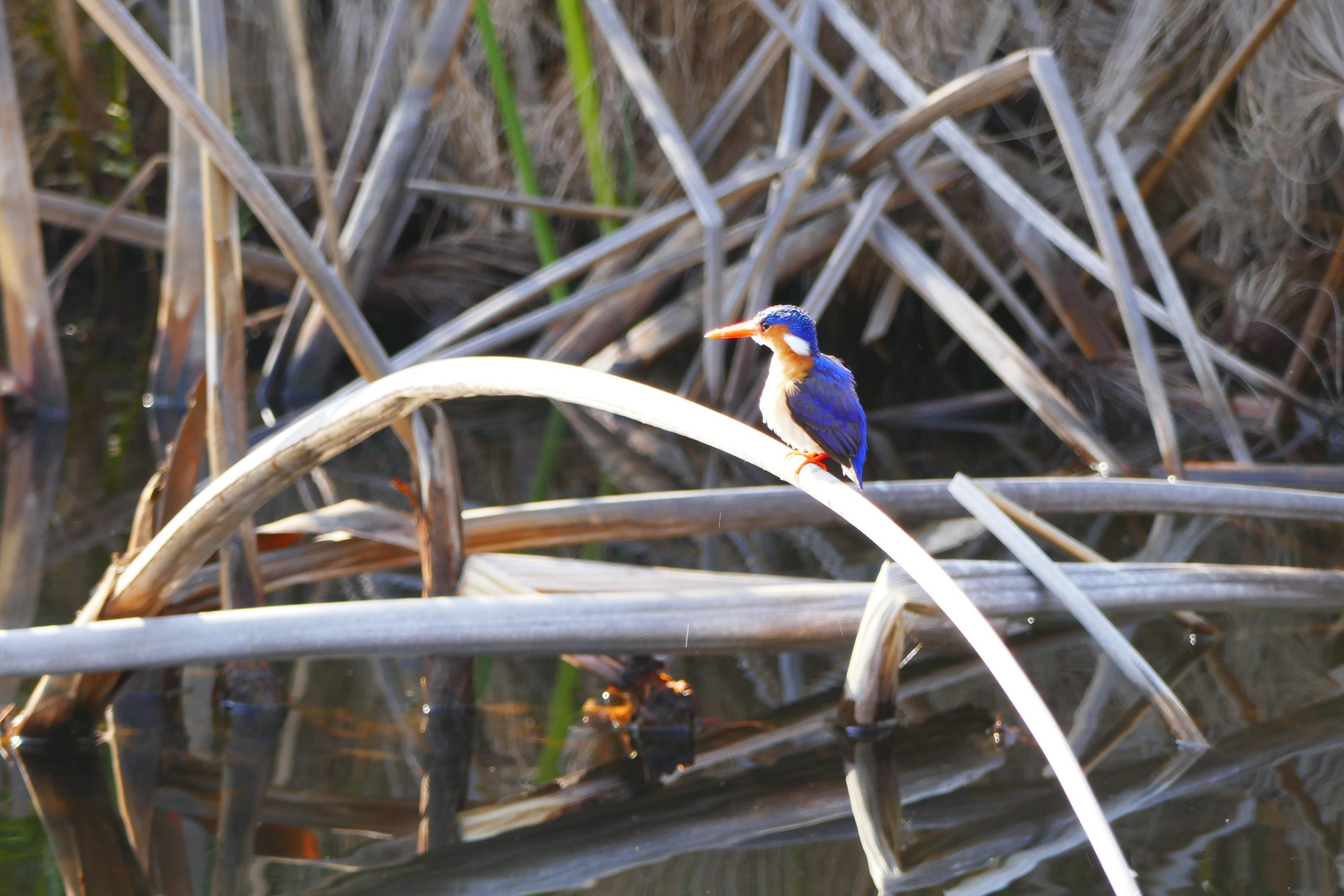
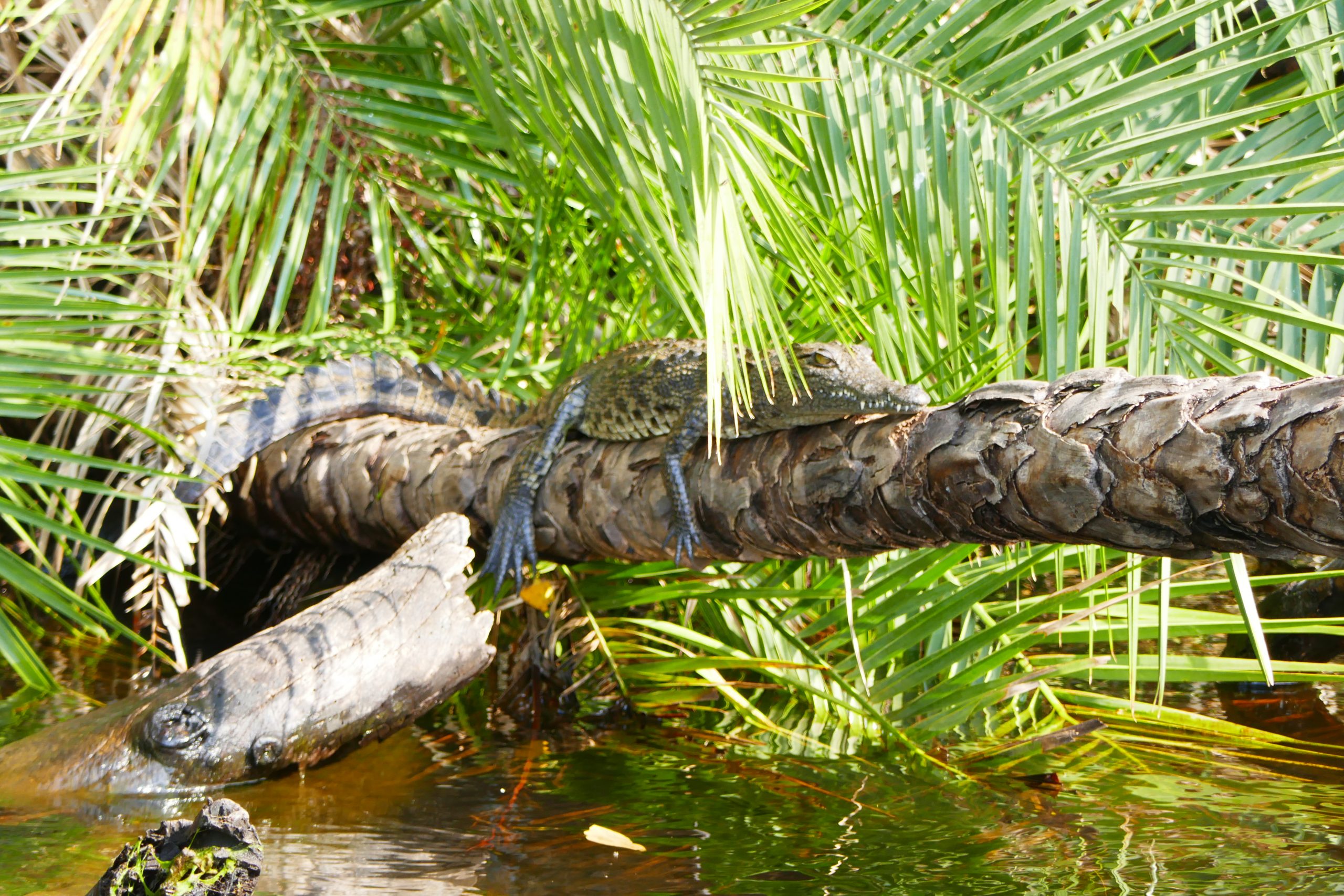
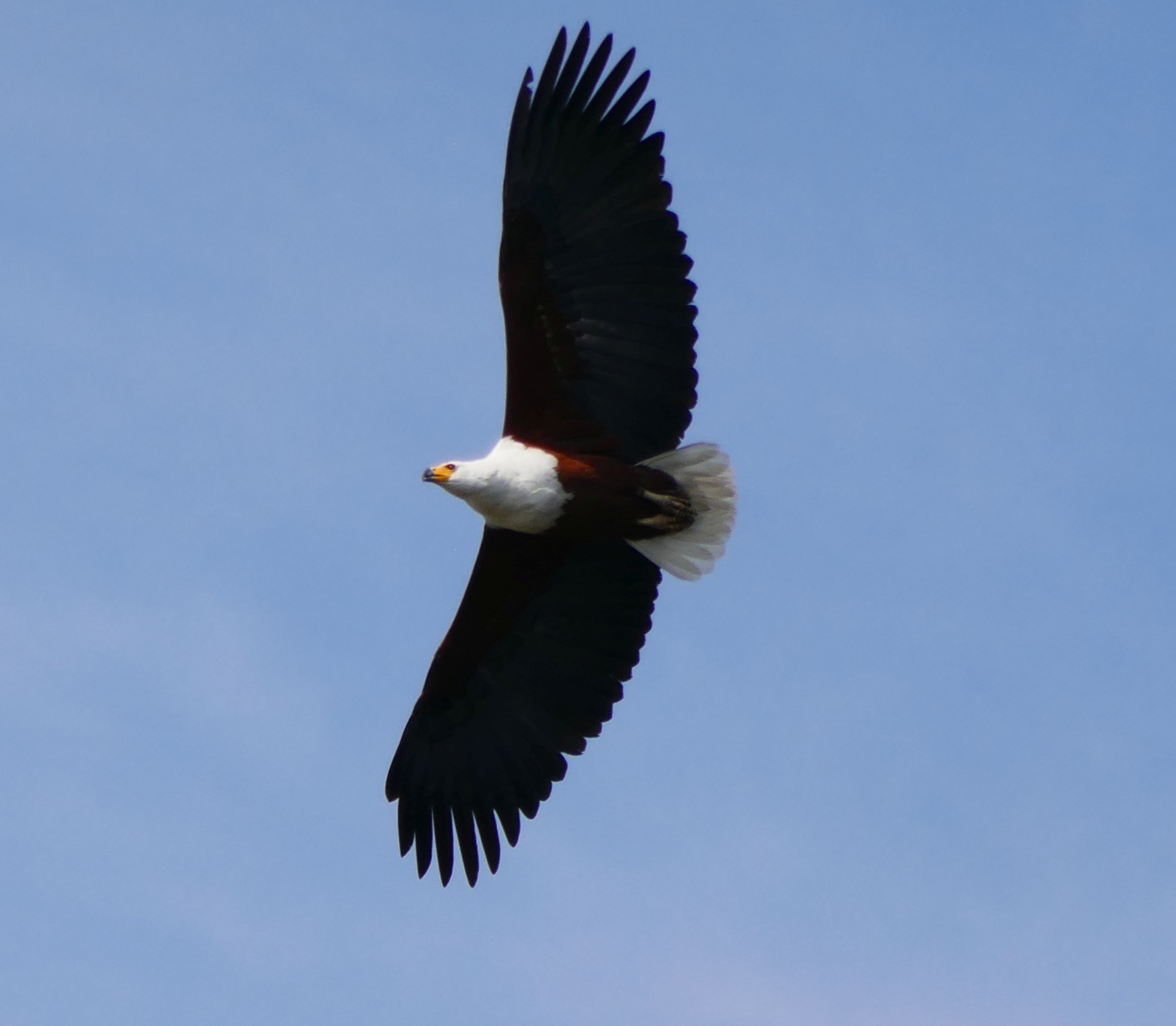
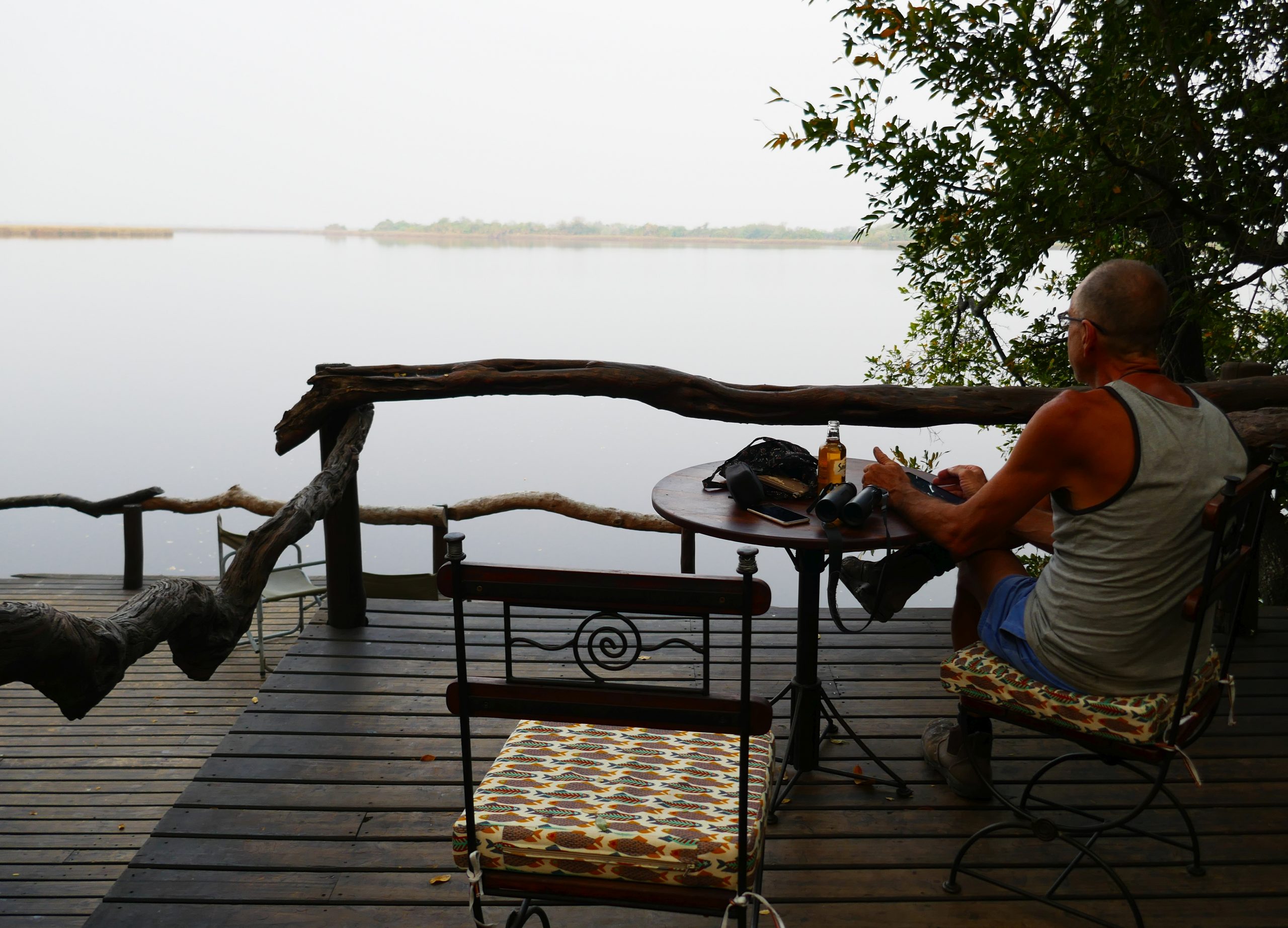
Winding our way through the tracks at Etsha 13the view from the deck at Guma LagoonFirst campsite at Guma Lagoon. Starlink dish on the ground that sort of worked, before we had to shift campsites.Karen with the crocodile caught by our night drive boat driverSpotlighting on the night driveKaren working being a digital nomad againFirst successful attempt at Roosterkeok breadOur boat driver on our two hour day drivethe lush parts of Guma LagoonMalachite kingfisherCrocodile basking on logAfrican fishing EagleSitting on the deck at Guma Lagoon
After our interesting morning with lions we headed North East towards Hukuntsi. It was a sandy track up to Zutswa, where we paid a donation of 100pula for using the track. Then the road got better towards Hukunsi. There were some road workers in a truck just out of Zutswa who flagged us down because they needed a jump start for their truck. We tried out new battery jump-starter, not expecting it to work on a truck (with two batteries), but it started it straight away, to the surprise of the truck driver.
We continued onto Hunkunsi and stopped at the Puma to get diesel, however they were out, waiting for a delivery. This complicated things. We were going to head north out of Hukuntsi, but we didn’t have enough fuel, so this would mean we would have to drive east to Kang. We got some supplies at the supermarket, and then headed east on a nice new road to Kang. At Kang it was the same story, no diesel at the Puma, however he directed us up the road to another servo, where we obtained diesel.
It was then a 24km drive to Kalahari Rest Lodge for an overnight stop. Next morning we left a bit later for the drive up the A2 highway to Ghanzi. We shopped at the Shoprite supermarket, getting some supplies for the three days we intended to stay at Thakadu Bush Camp. Thakadu Bush Camp is 8km out of Ghanzi, 3km off the highway, and we found a good campsite there.
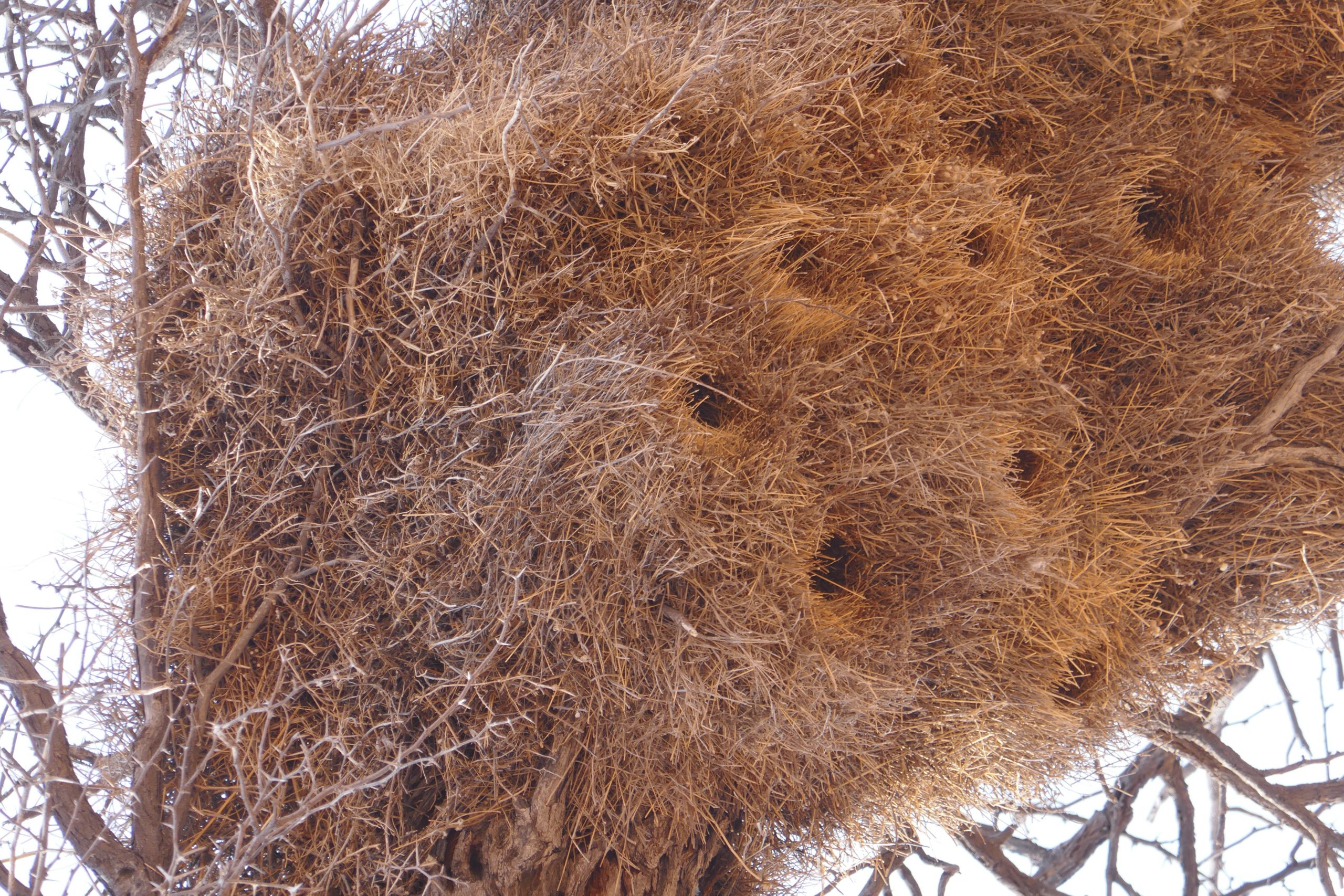
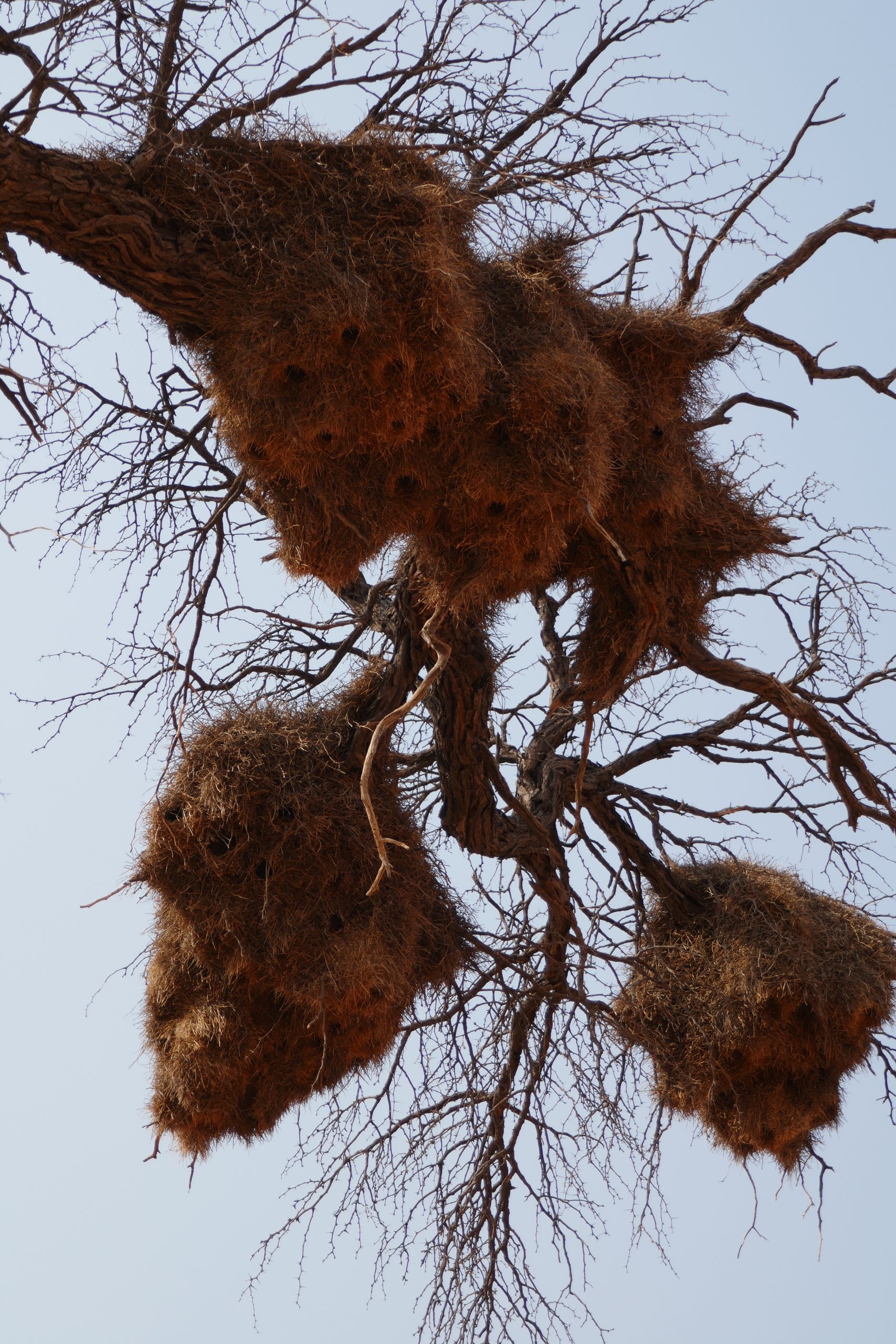
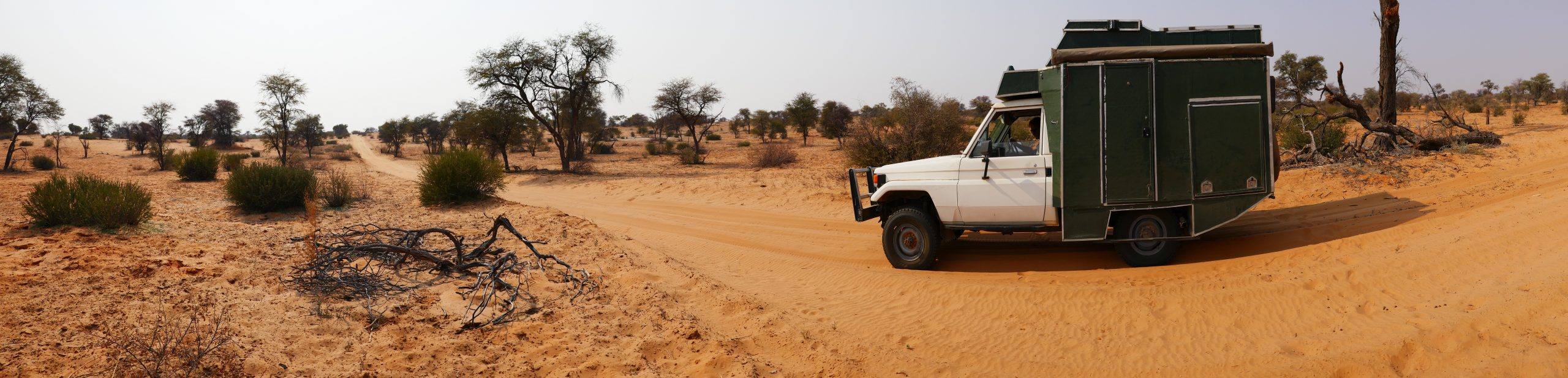
On the track to ZutshwaSocial weaver bird nestsmore weaver bird nests
along the track to Zutswa
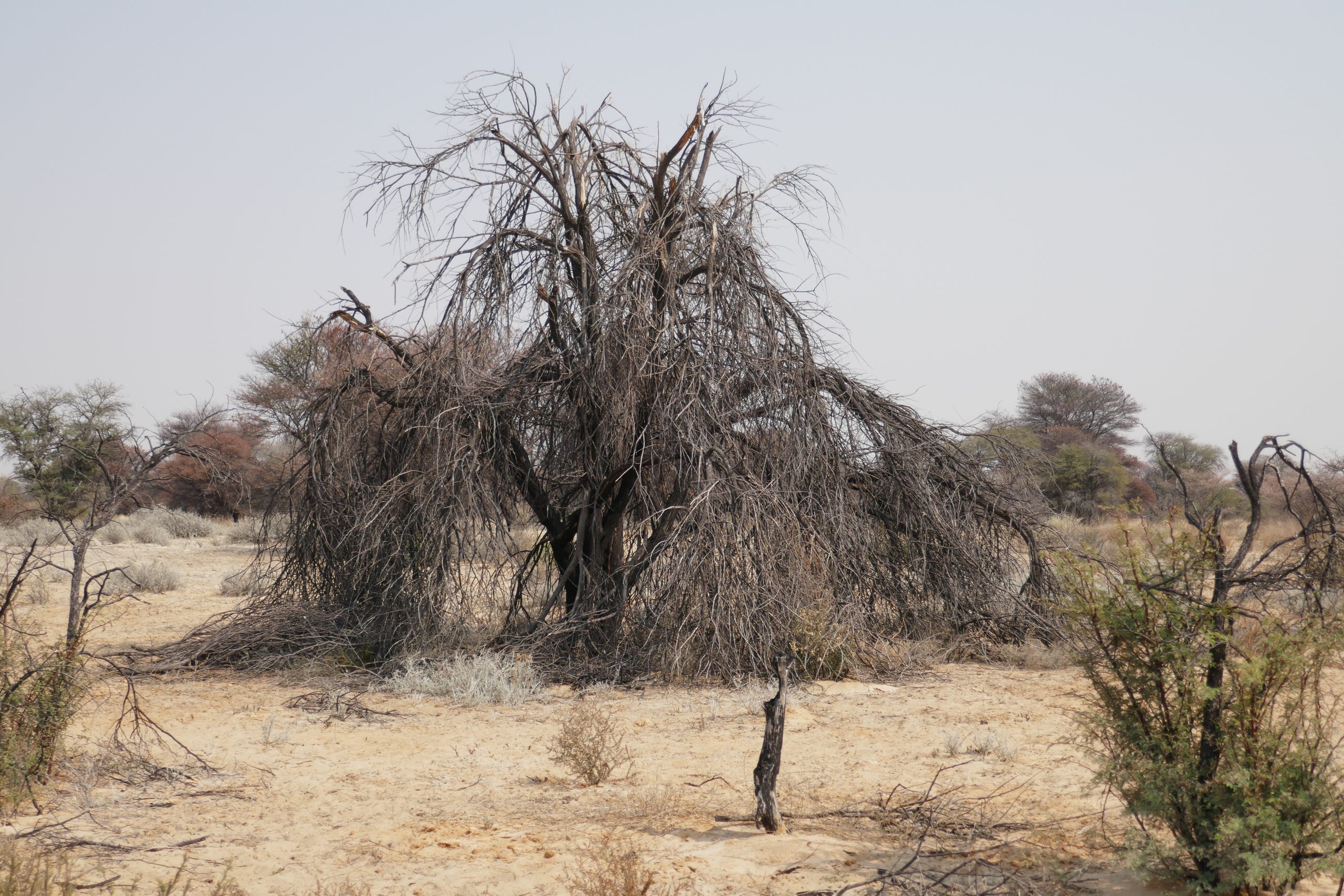
One of the many dead trees that litter the area
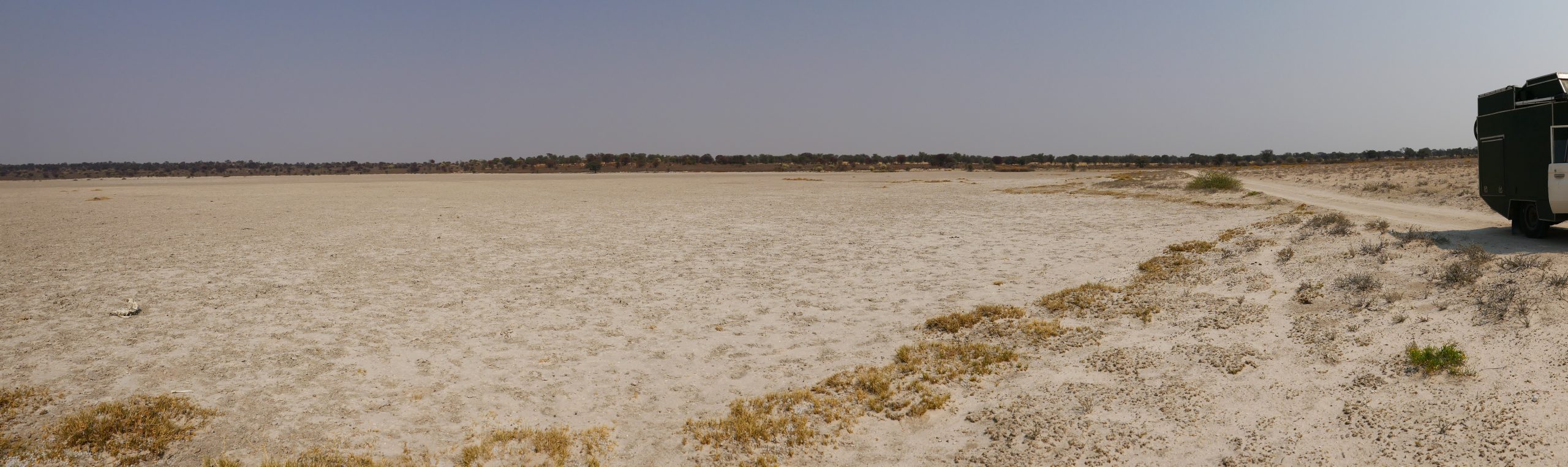
We passed several pans
Camped at Kalahari Rest Lodge
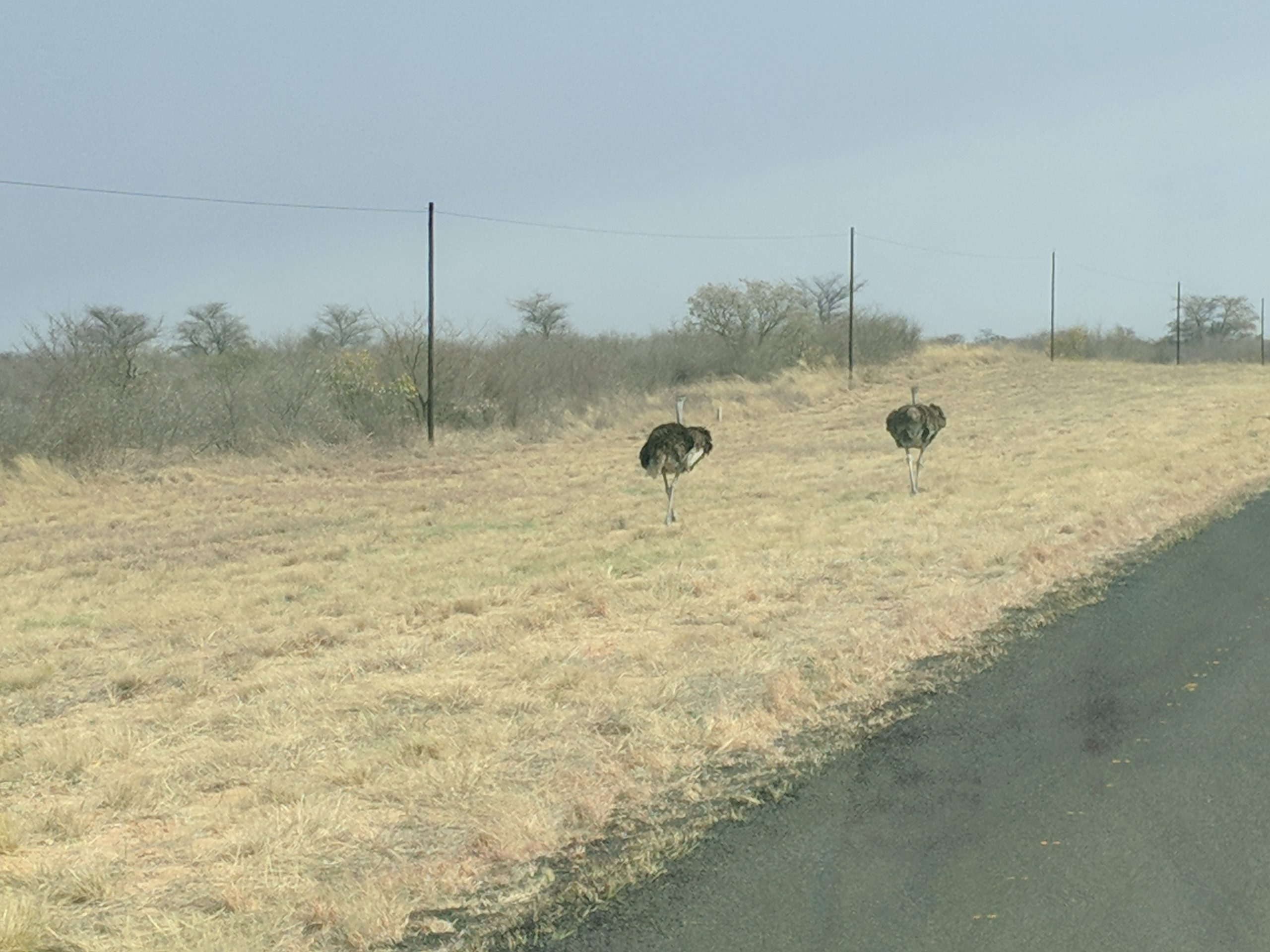
We passed many ostriches on the road to Ghanzi
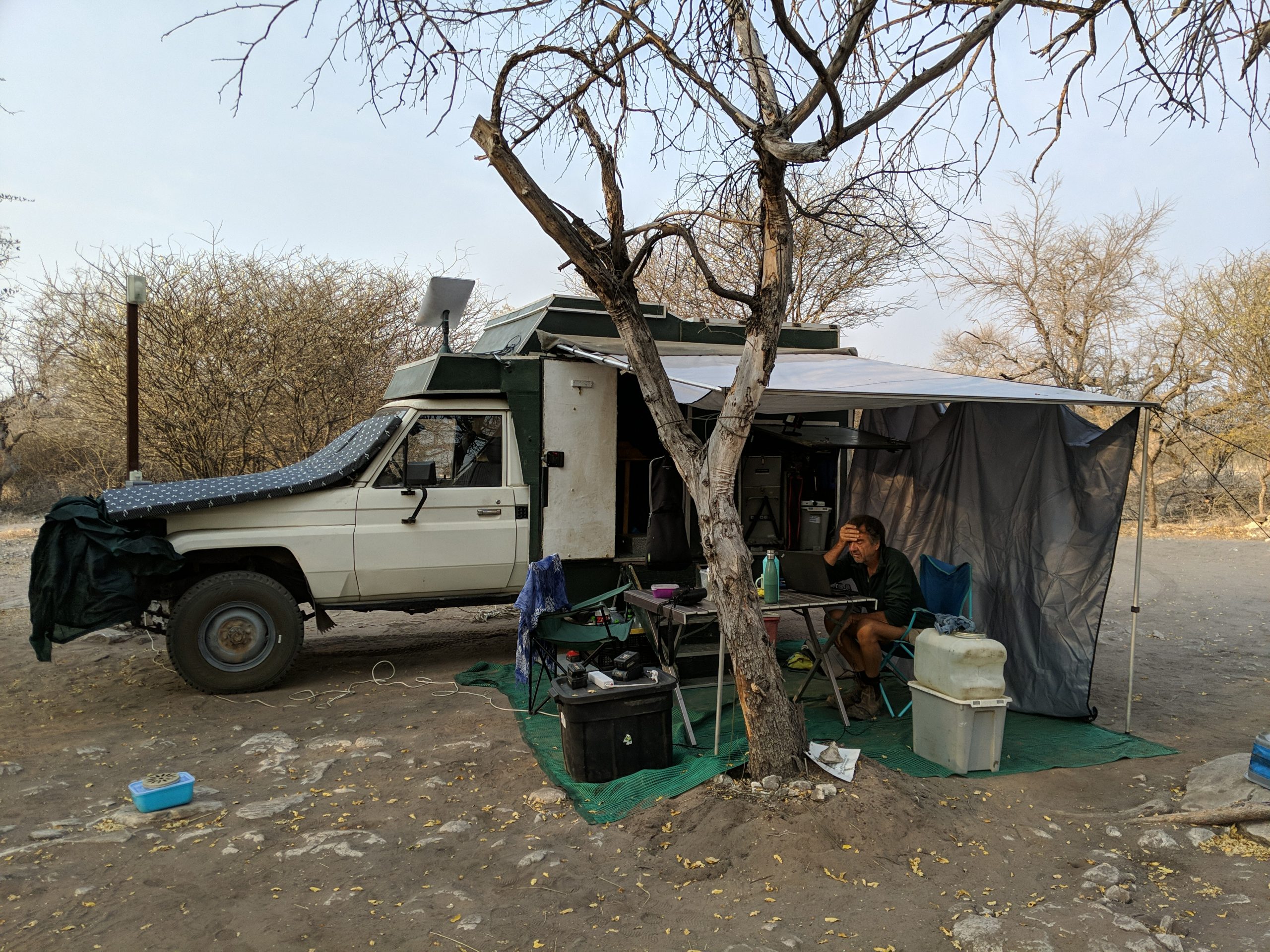
Camped at Thakadu Bush Camp
After leaving our camp on the KAA cutline, we continued North-west. After 9km we stopped to talk to three people who were surveying lions. A South African, and two Botswanan trackers. They were looking for lions so they could work out the distribution. The Botswanan trackers told us how they tracked the lions, and they showed no fear of tracking the lions quite close.
We got to the KAA gate of the Kalahari Transfrontier Park around 1pm. The gate was surrounded by fences, all the gates closed, to keep lions out. We camped at campsite number 1, which had a toilet and a (broken) shower, and a basin with bore water. We were warned that there were lions around.
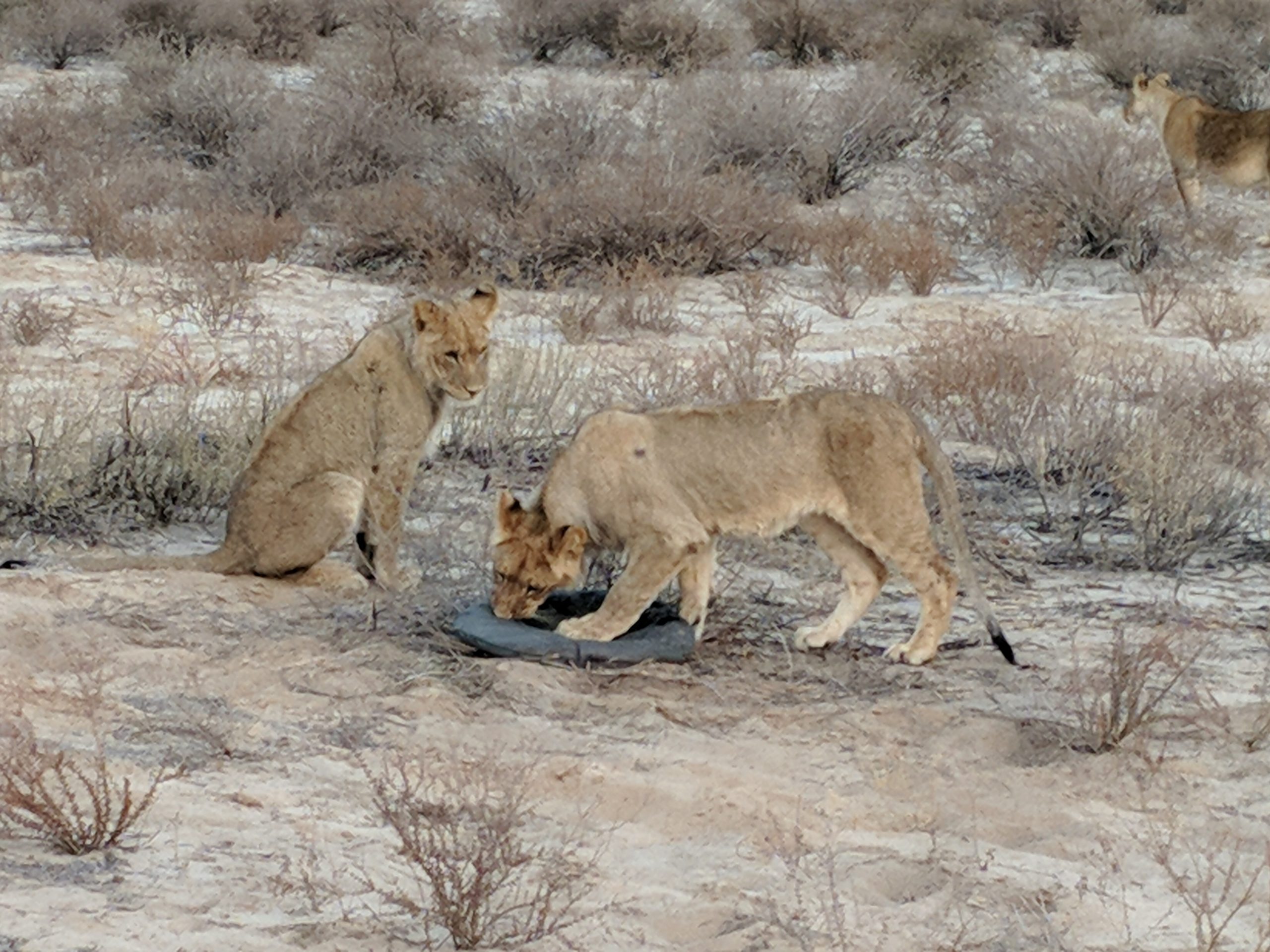
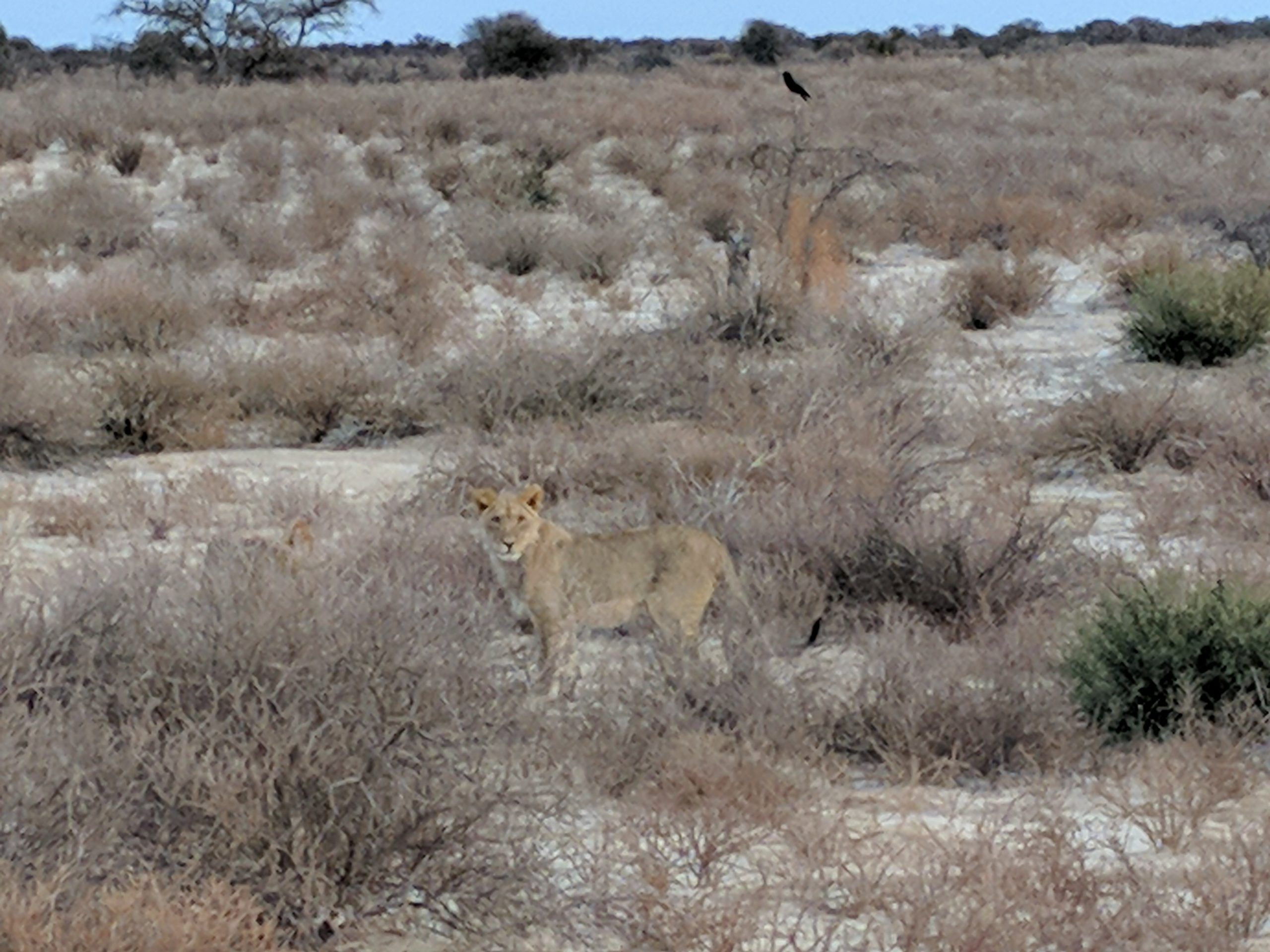
We setup overlooking the pan, there were no other campers around. We went to bed that night keeping a lookout for lions, but leaving a fair bit of stuff outside. During the night we heard lions several times. In the morning karen told me there were noises outside, so I got up and opened the camper door, to find three lions. Two of the lions were about 1.5m away taking turns to try to pull apart the folded up shower tent with their teeth and claws.
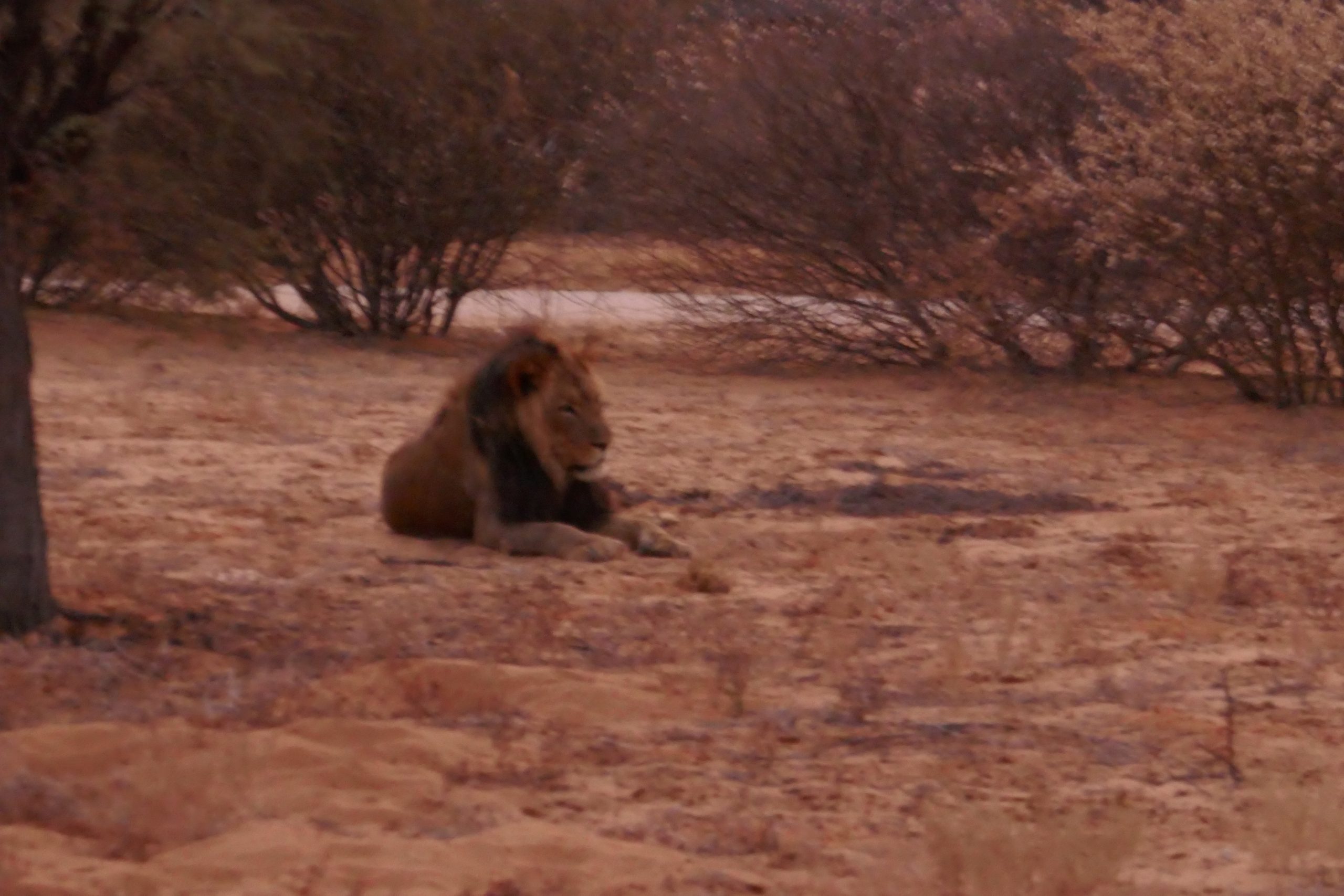
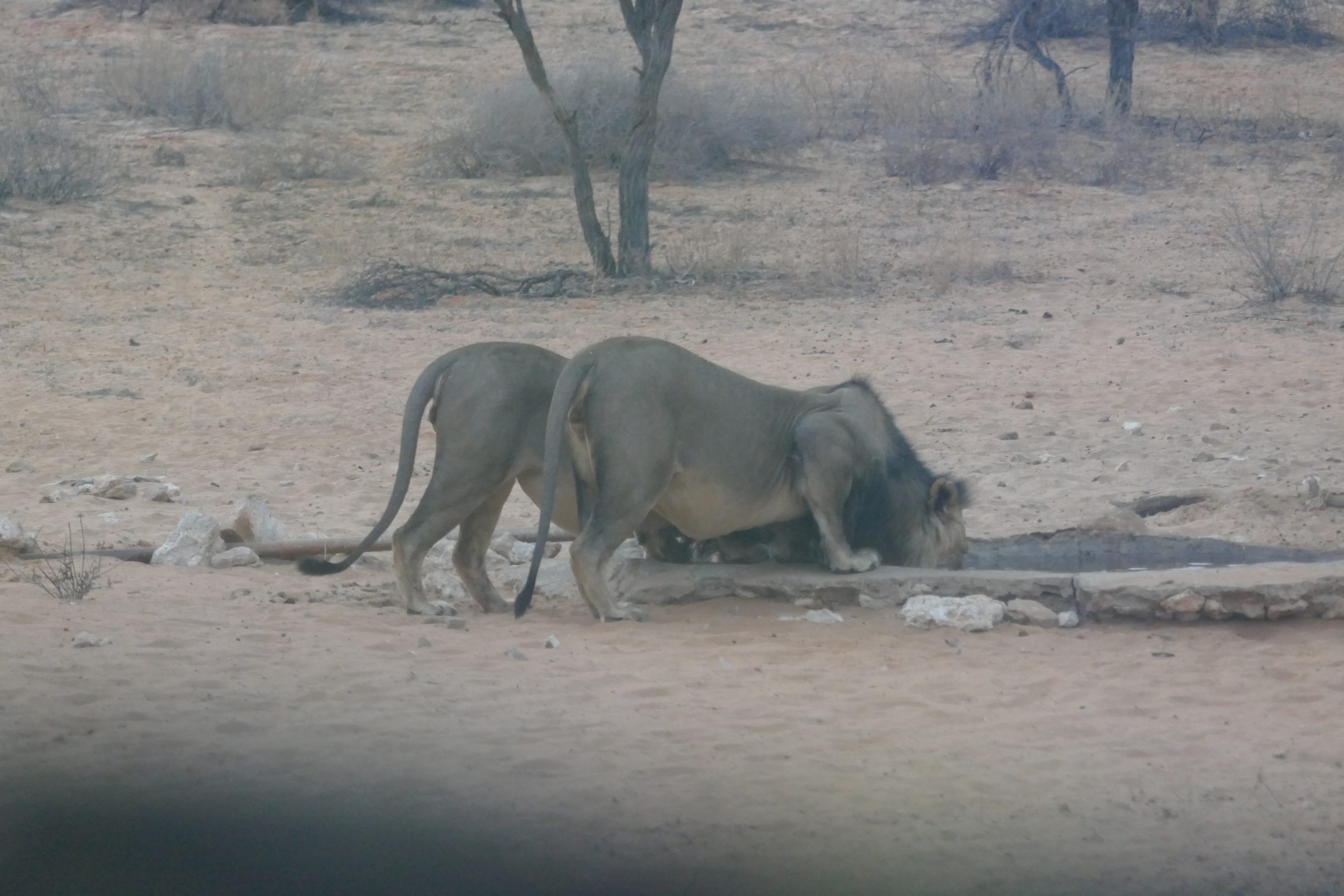
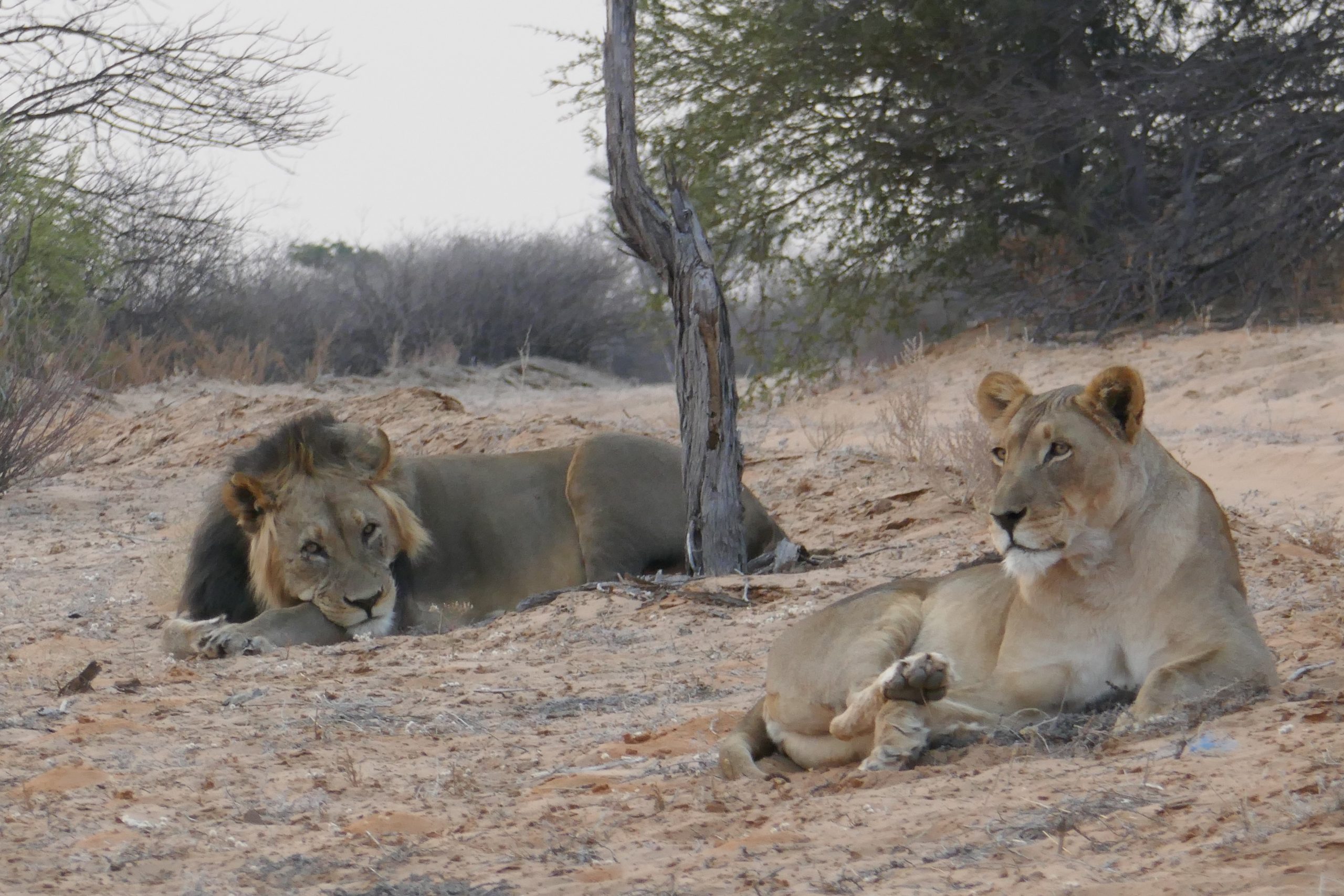
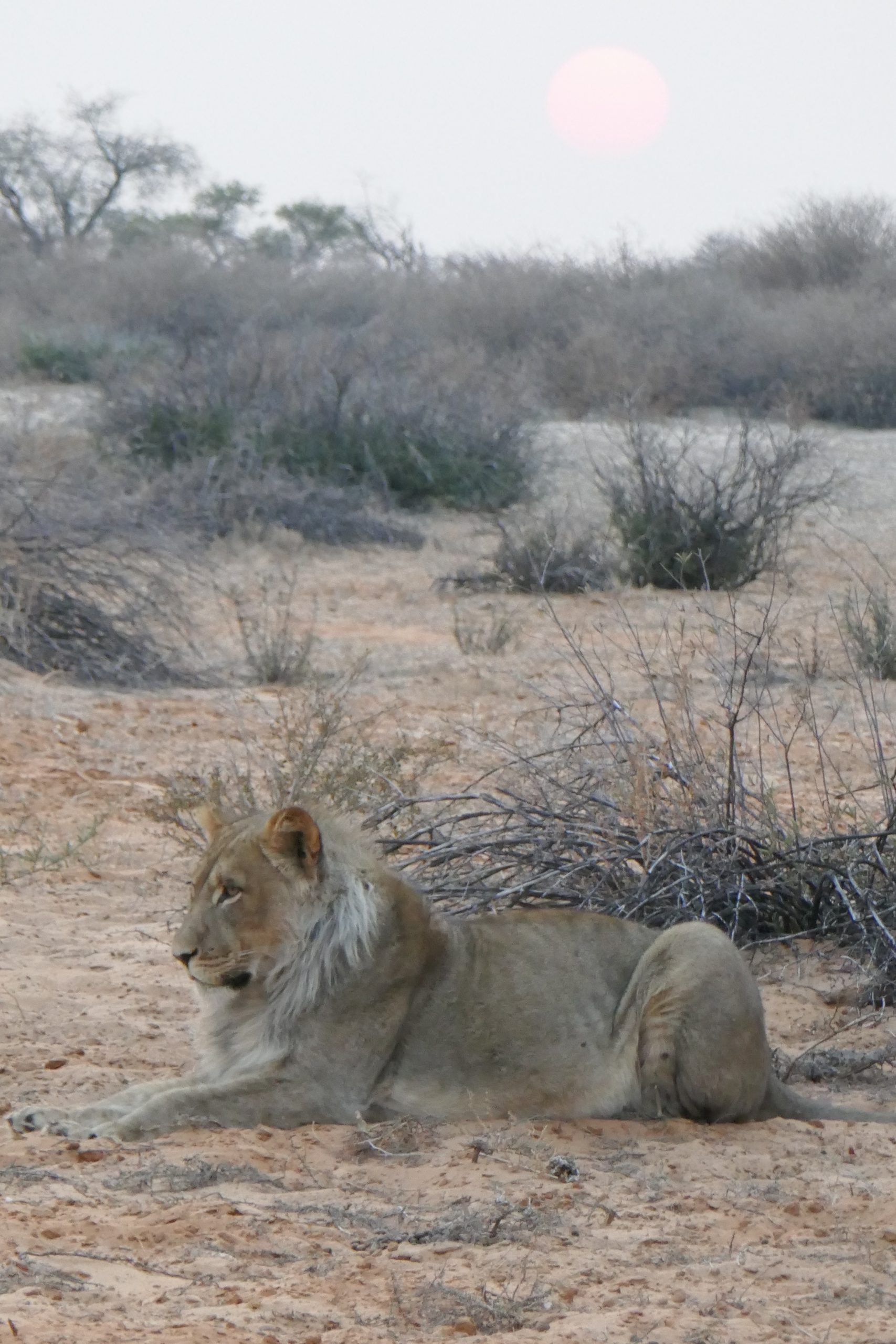
The three lions left. We didn’t see or hear any lions until four nights later, our last night at KAA campsite. We were awoken around 4:30am by two lions passing a couple of metres from the camper. We woke up again at 5:30am and drove to the nearby waterhole, but were stopped about 150m from our campsite by two male lions sitting either side of the road waiting in the dark. At dawn we followed the two lions to the waterhole, and watched them drink. Then we followed them in the camper up the road where they met up with the rest of the clan – in total 7 lions. Two males, three females and two cubs.
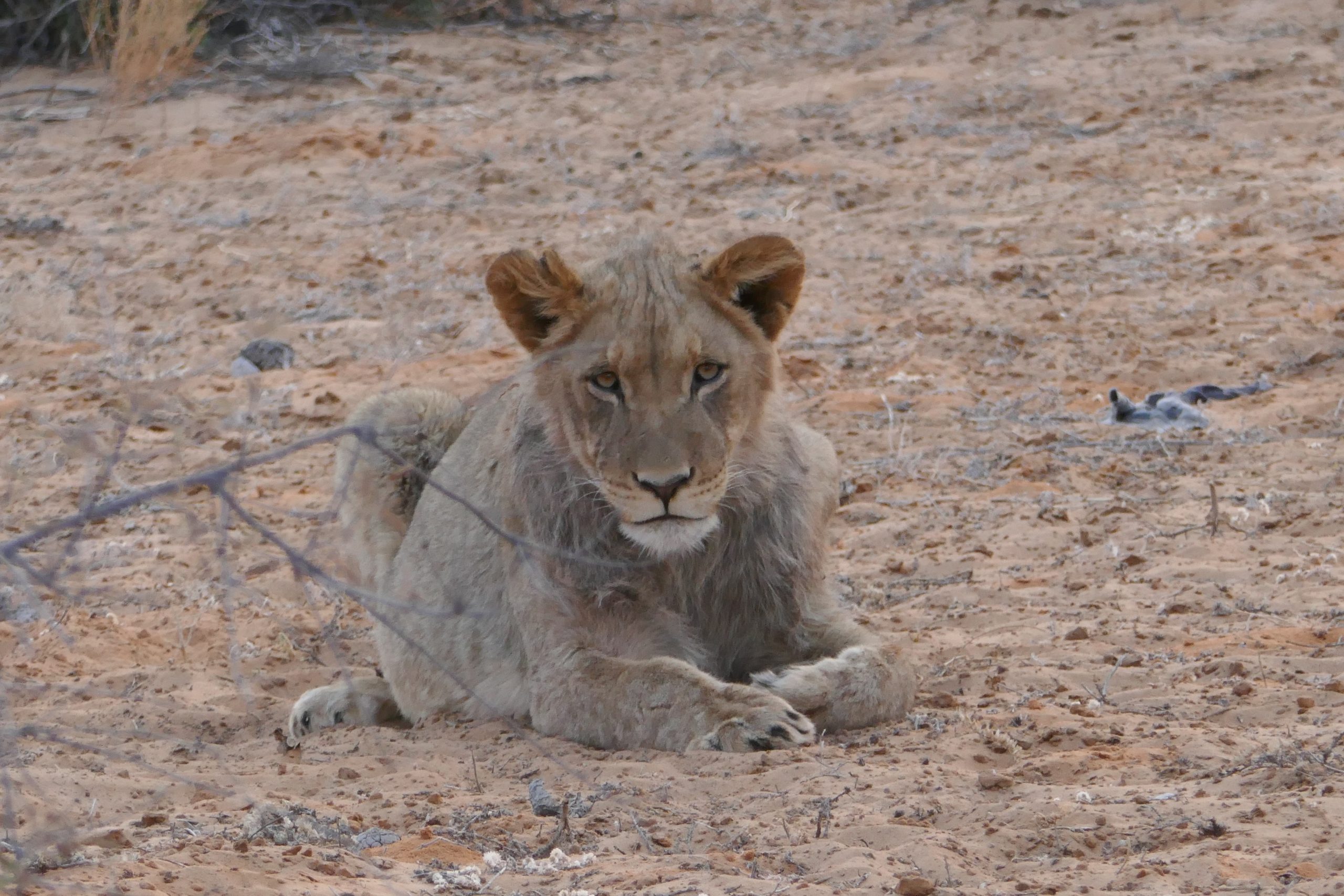
The two cubs who dragged the shower tent away from the camper and continued to try to rip it apart.Mother lion looking on at the cubs
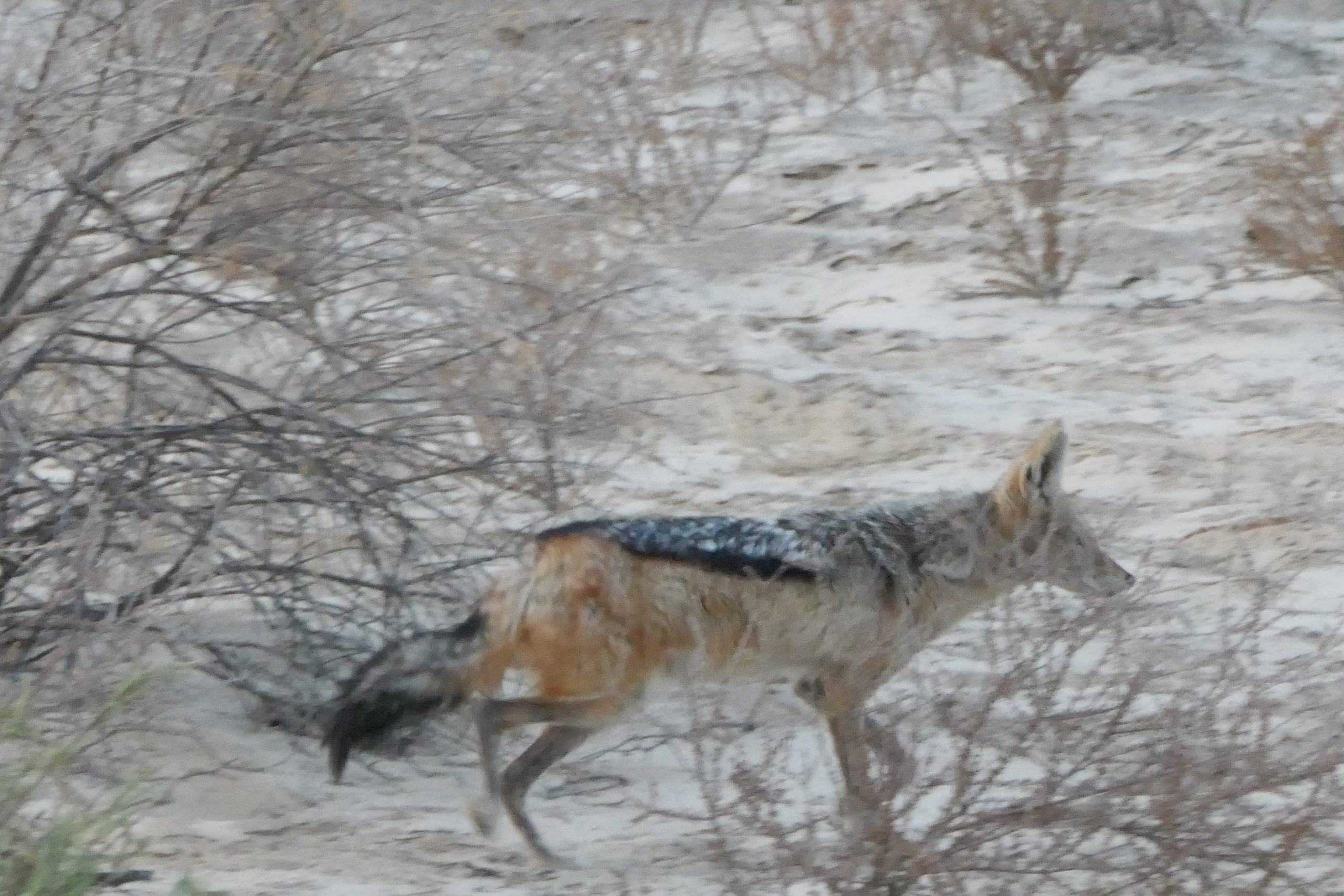
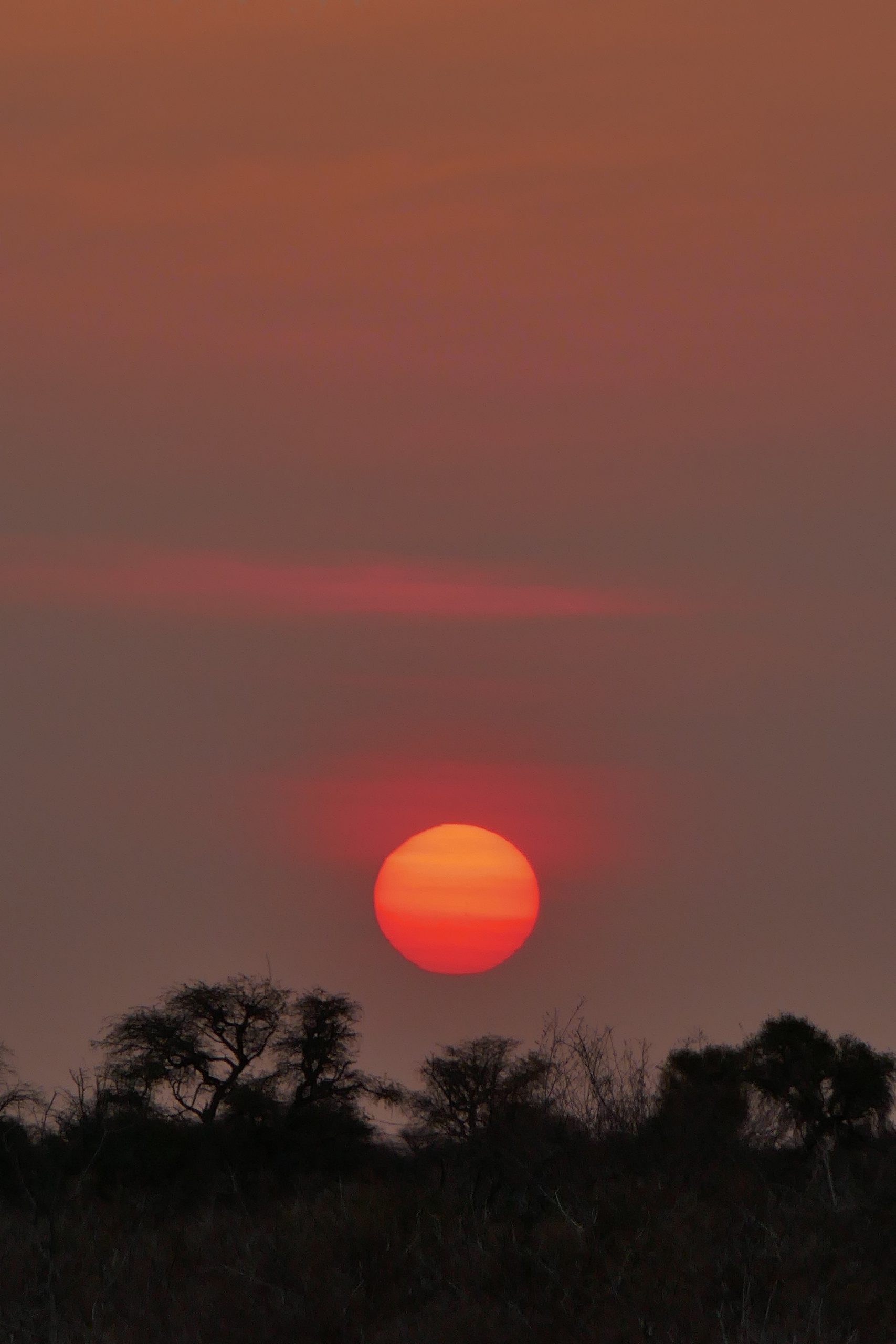
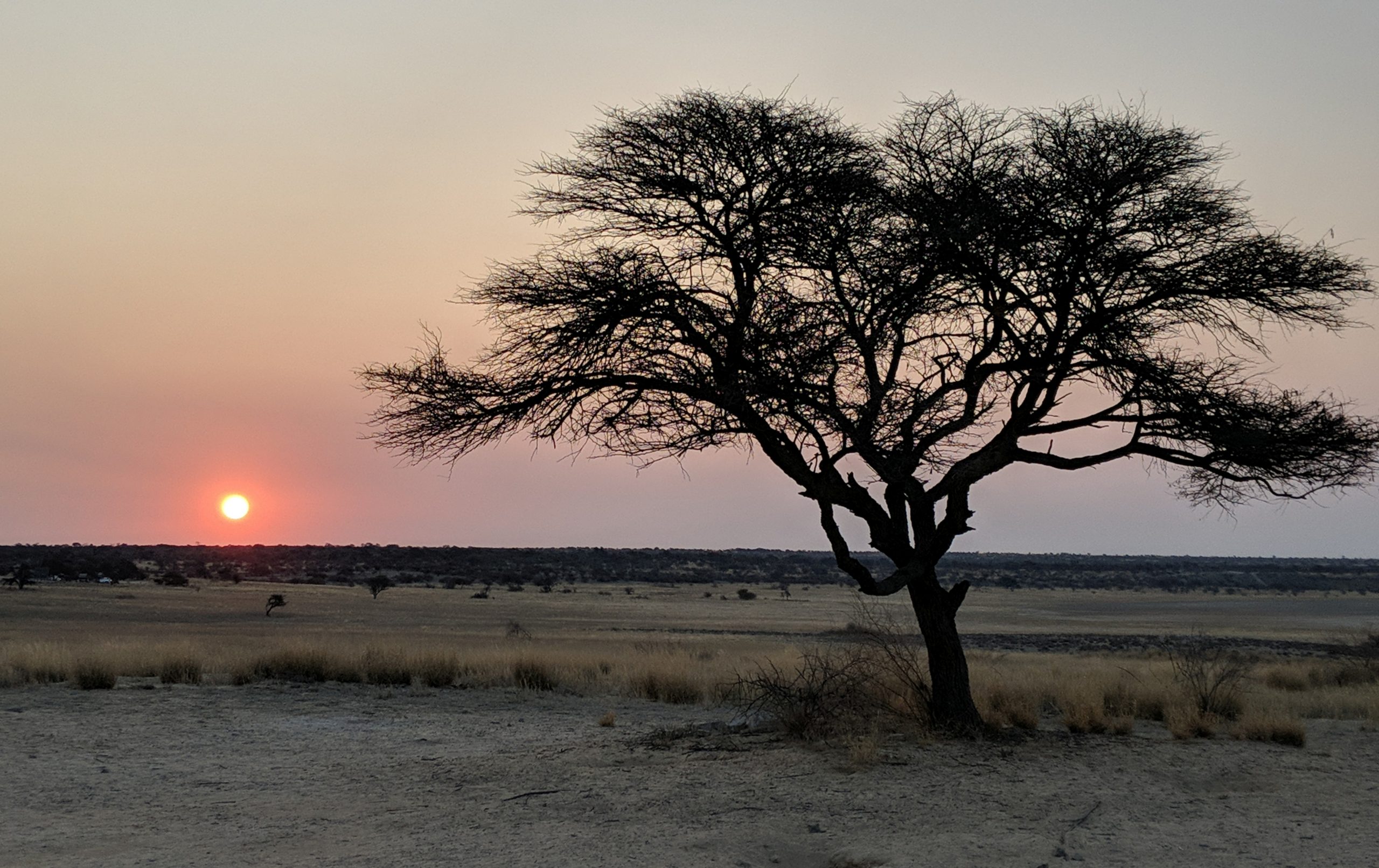
The jackel which visited camp several timesSunset from KAA campsite
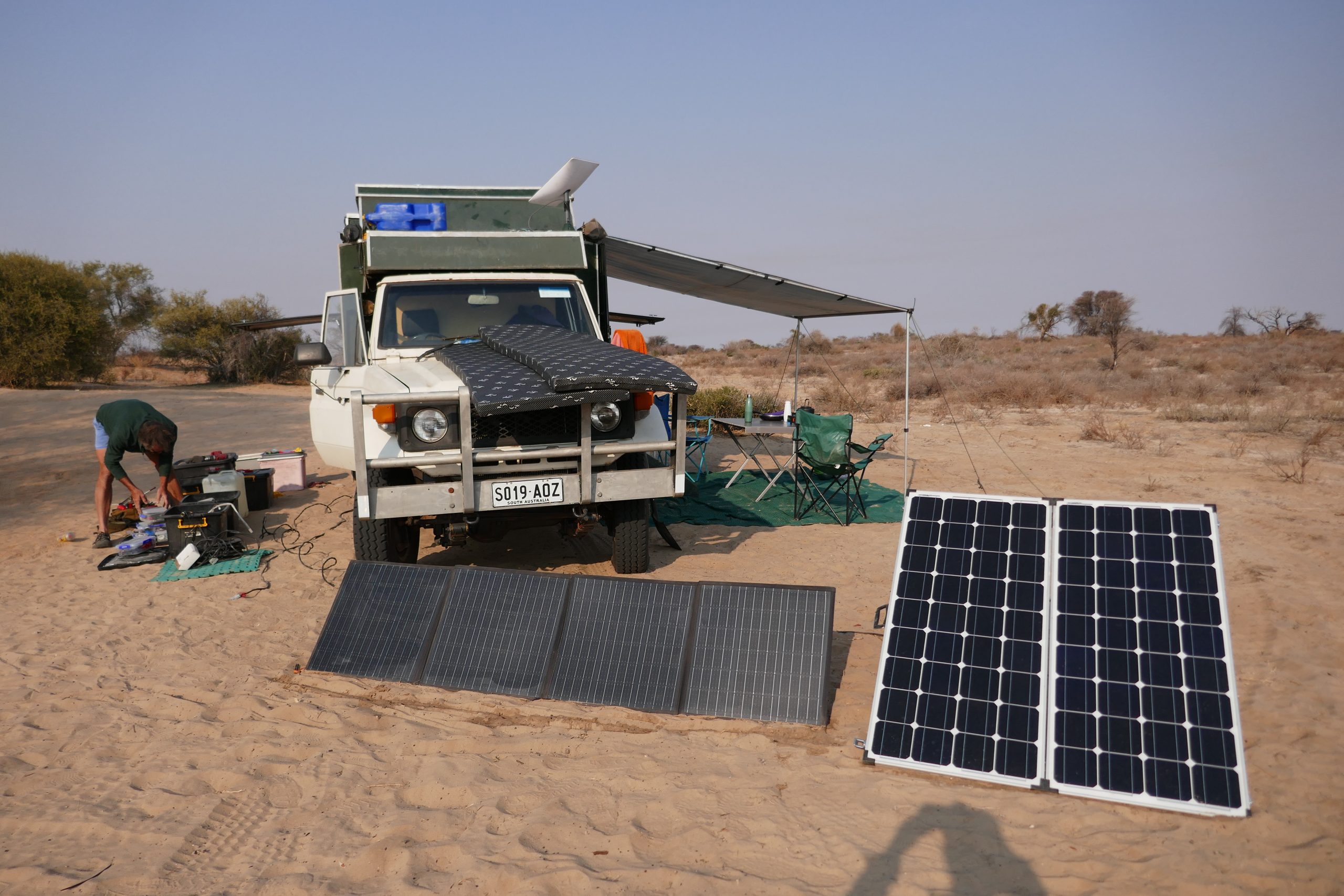
Putting out the solar panels early to get power.One of the two lions we found waiting in the dark, about 150m from camp on the last morning
the two lions having walked up to the waterhole
One of the lion cubs amongst the 7 lions that we found another 100m away
Another couple of lions from the group of 7
We spent two days at Mubuasehube Pan campsite 4. There were lions growling both nights. The lions spent both nights at the neighboring campsite about 200m away. We could see the lions walking along the pan the next day. We left Mubuasehube Pan and headed north to where the Tracks4Africa map showed it intersected with the KAA cutline. However before we got far we bumped into the people from the adjacent campsite, who said the road was blocked. We turned around and headed for the Mubuasehube gate. We headed north, stopped after a while to pump up the tyres, and eventually got to the KAA cutline. We headed about 40km along, stopping at a pan that crossed the cutline. We stopped about 2pm. About 7pm that night the first vehicle that we had seen drove past, and turned into talk to us. It was a ranger from KAA camp. He was worried about lions, and that we were too far from the track. We told him we would get going the next morning. We didn’t see or hear any lions that night.
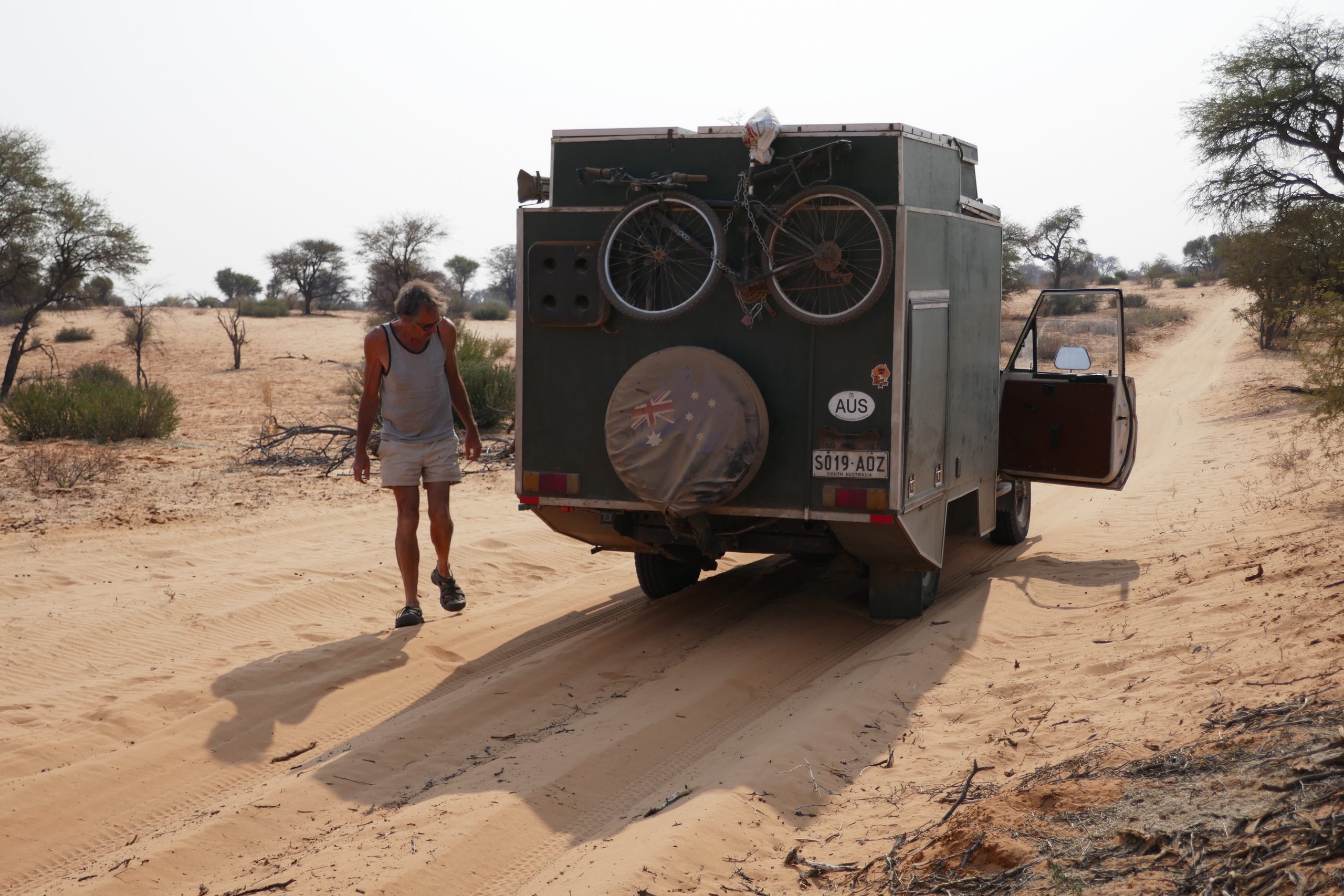
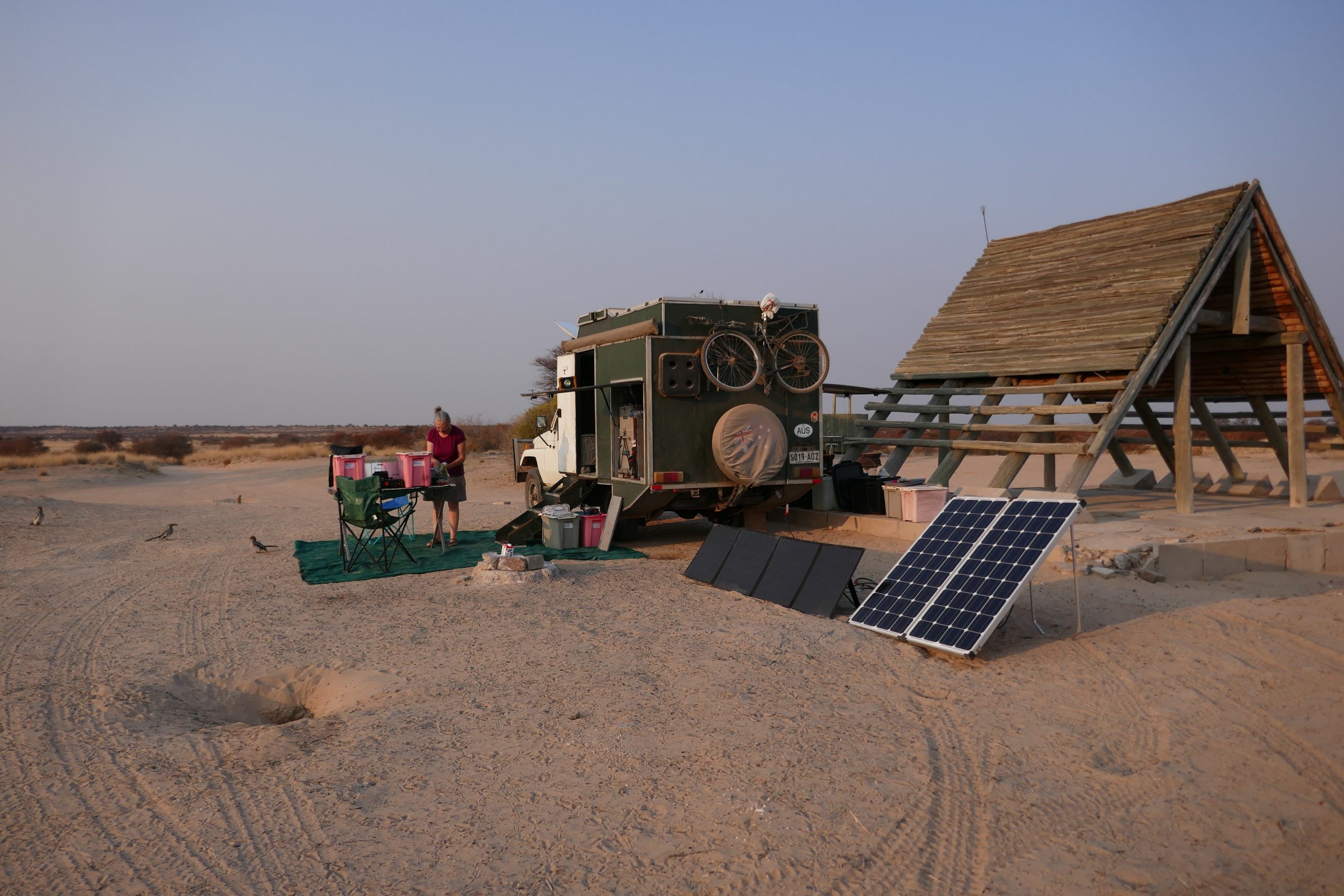
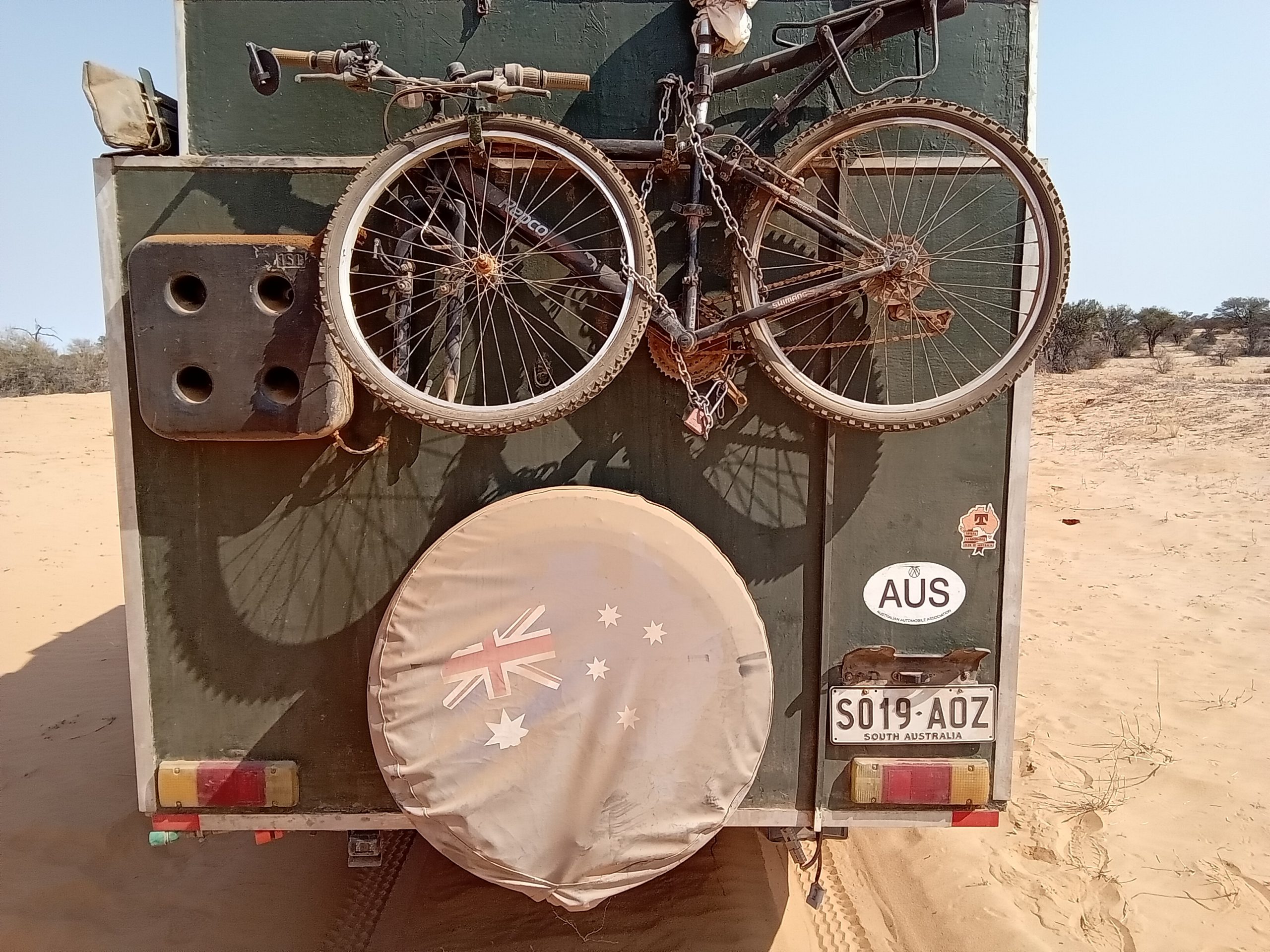
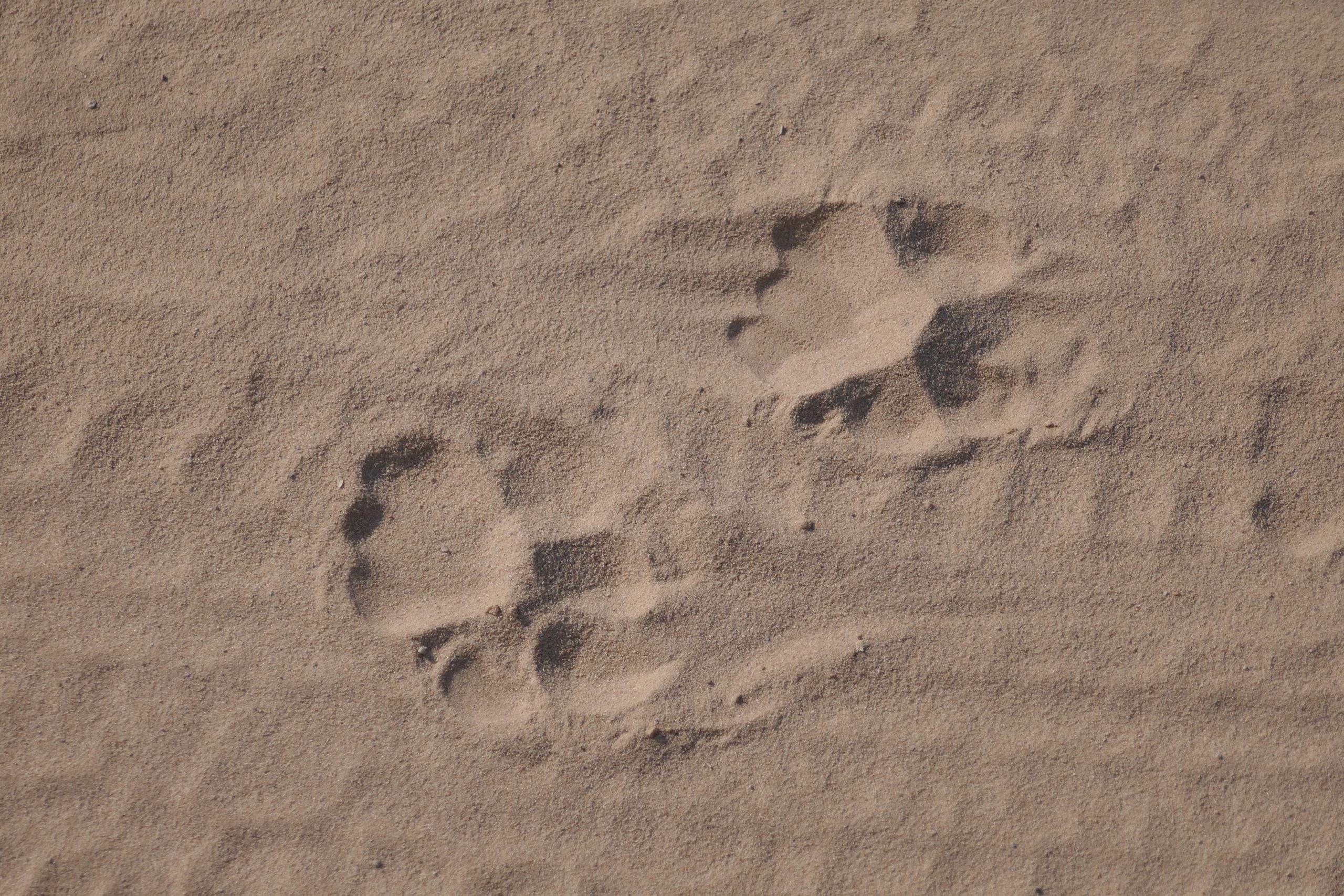
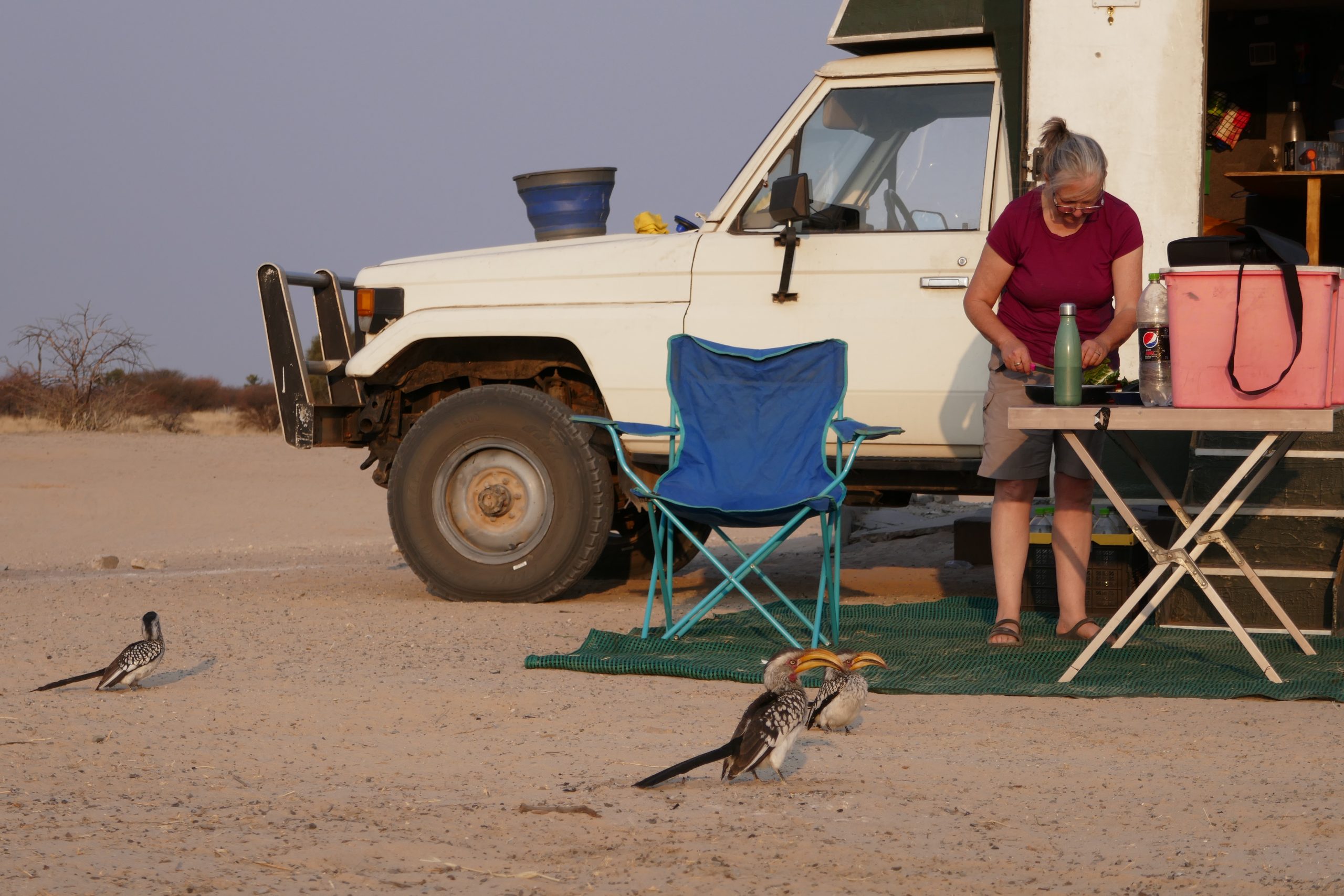
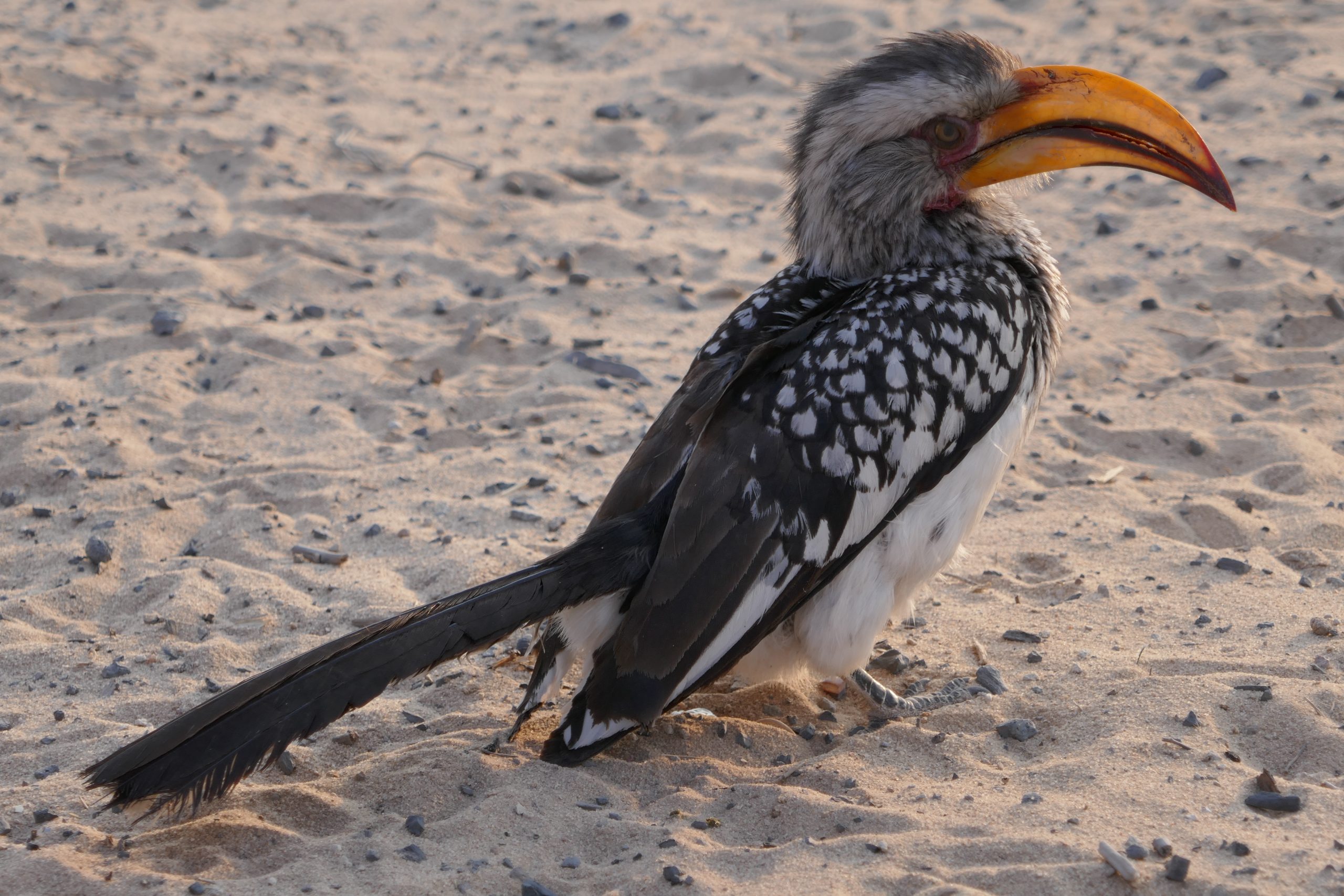
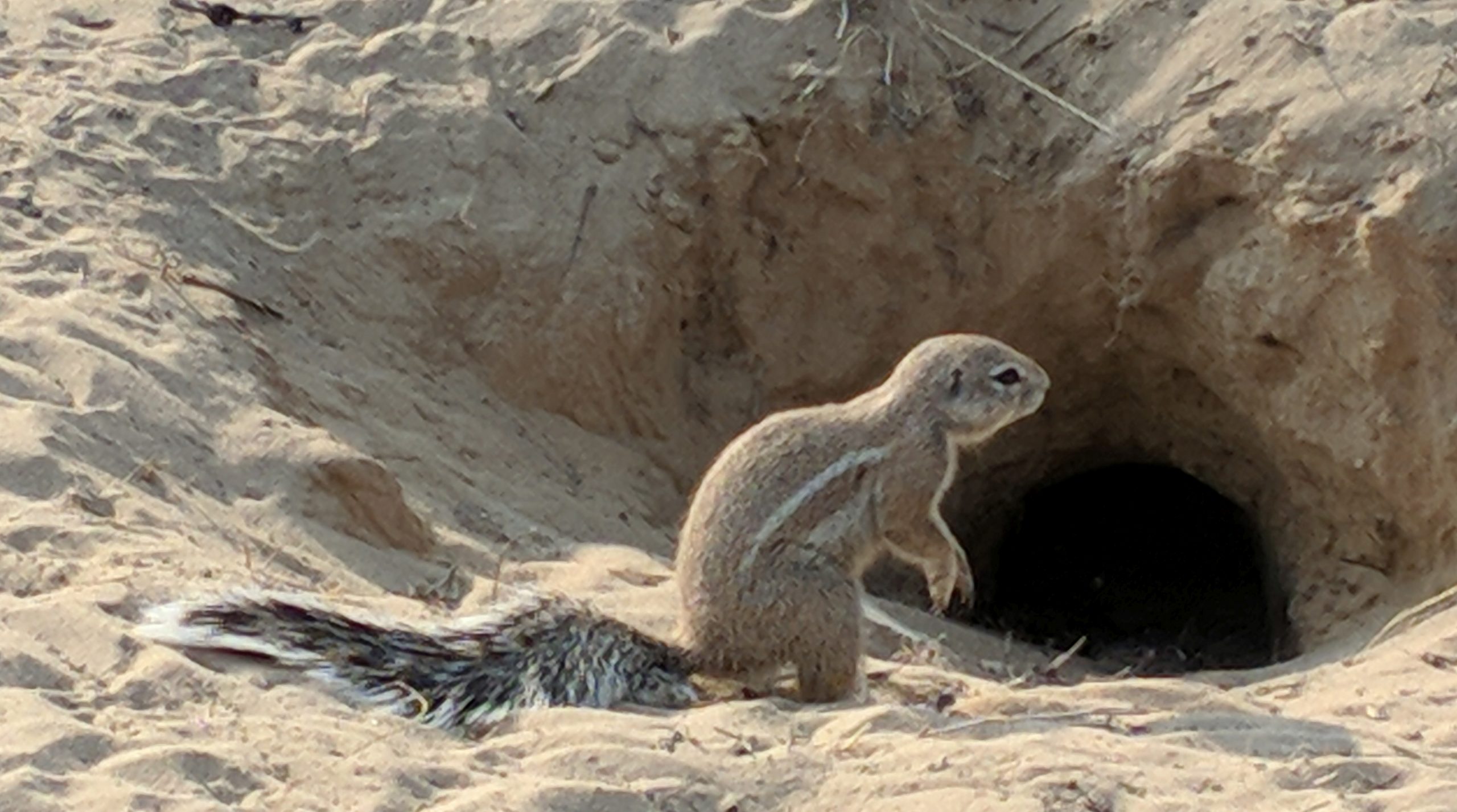
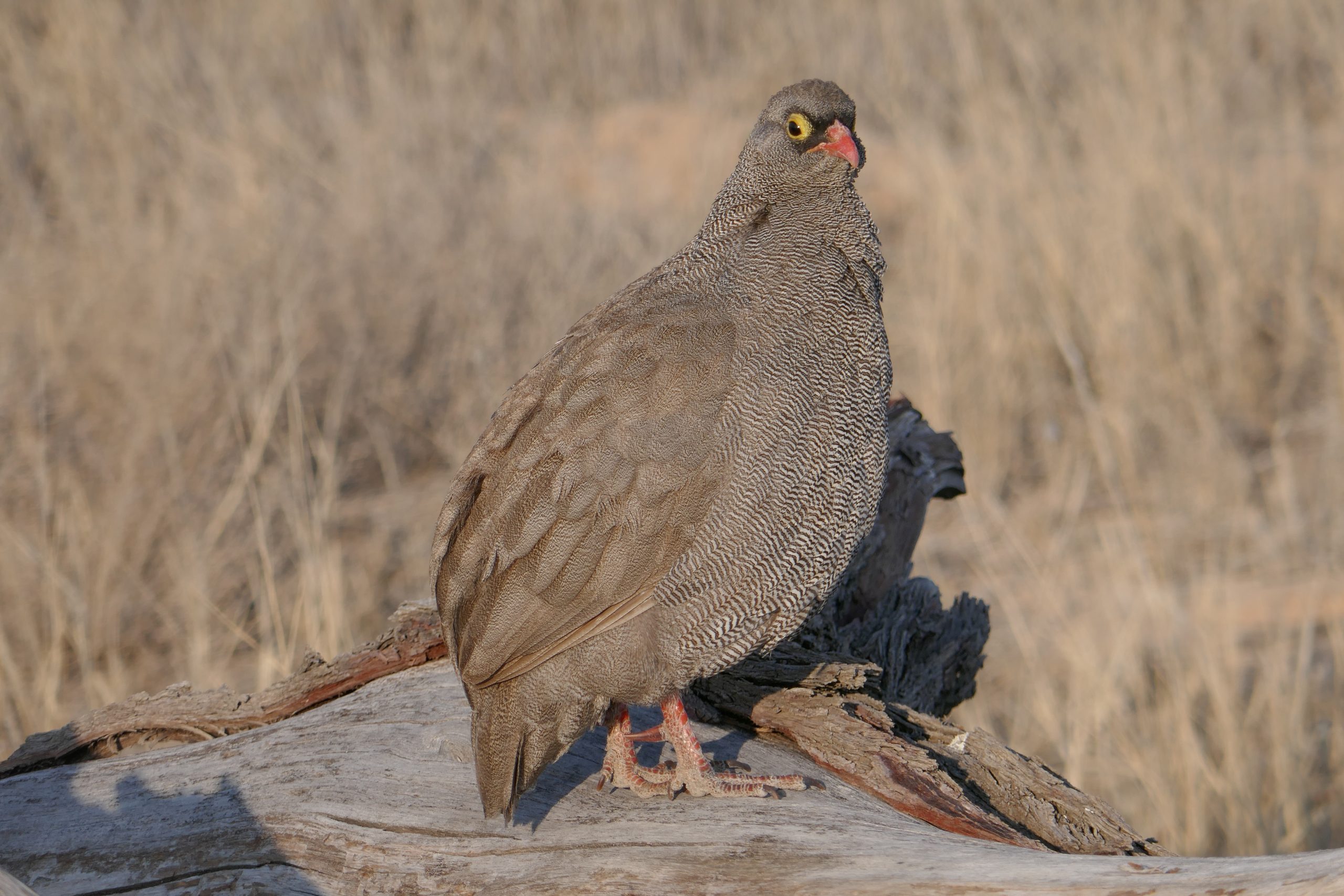
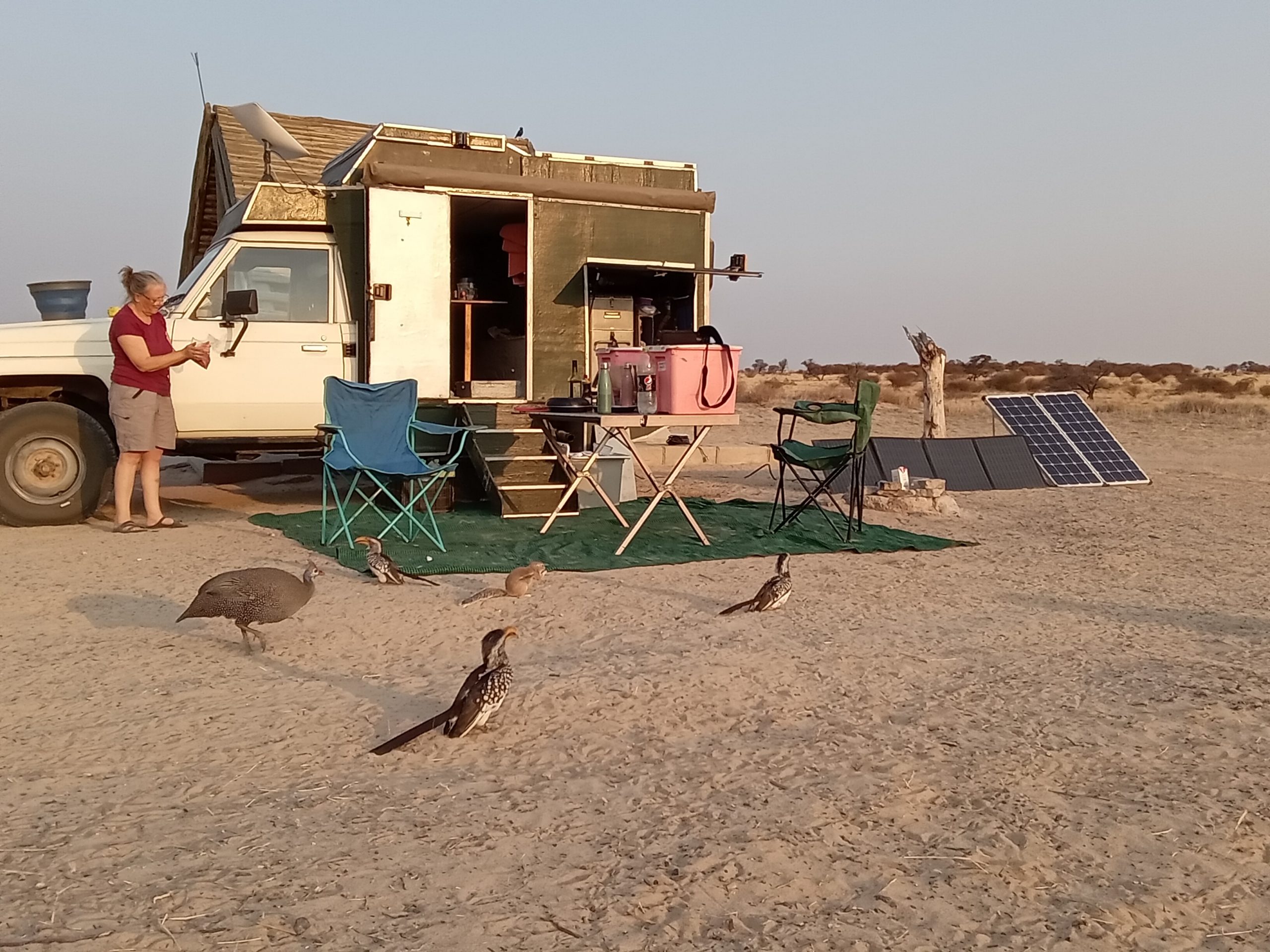
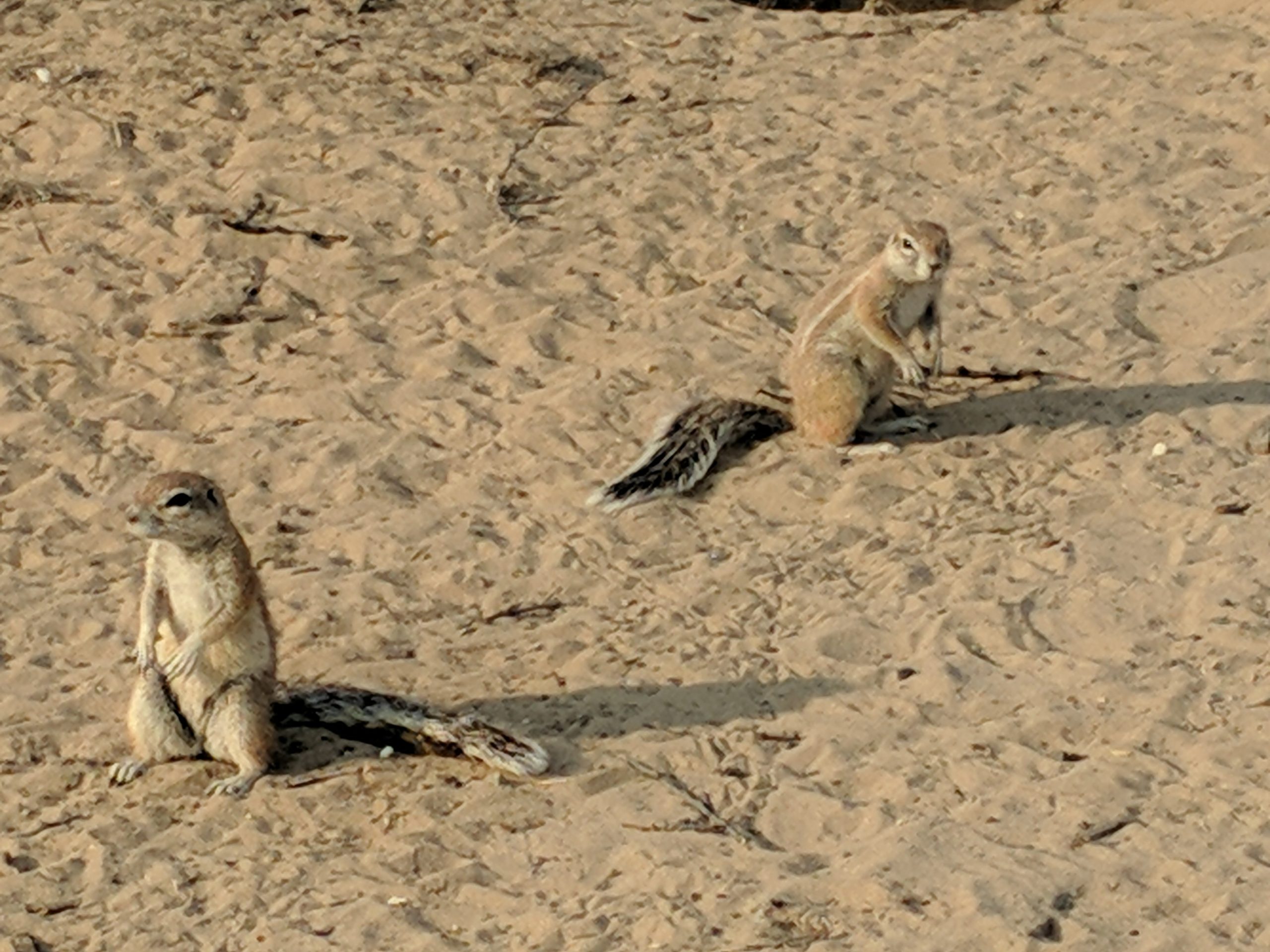
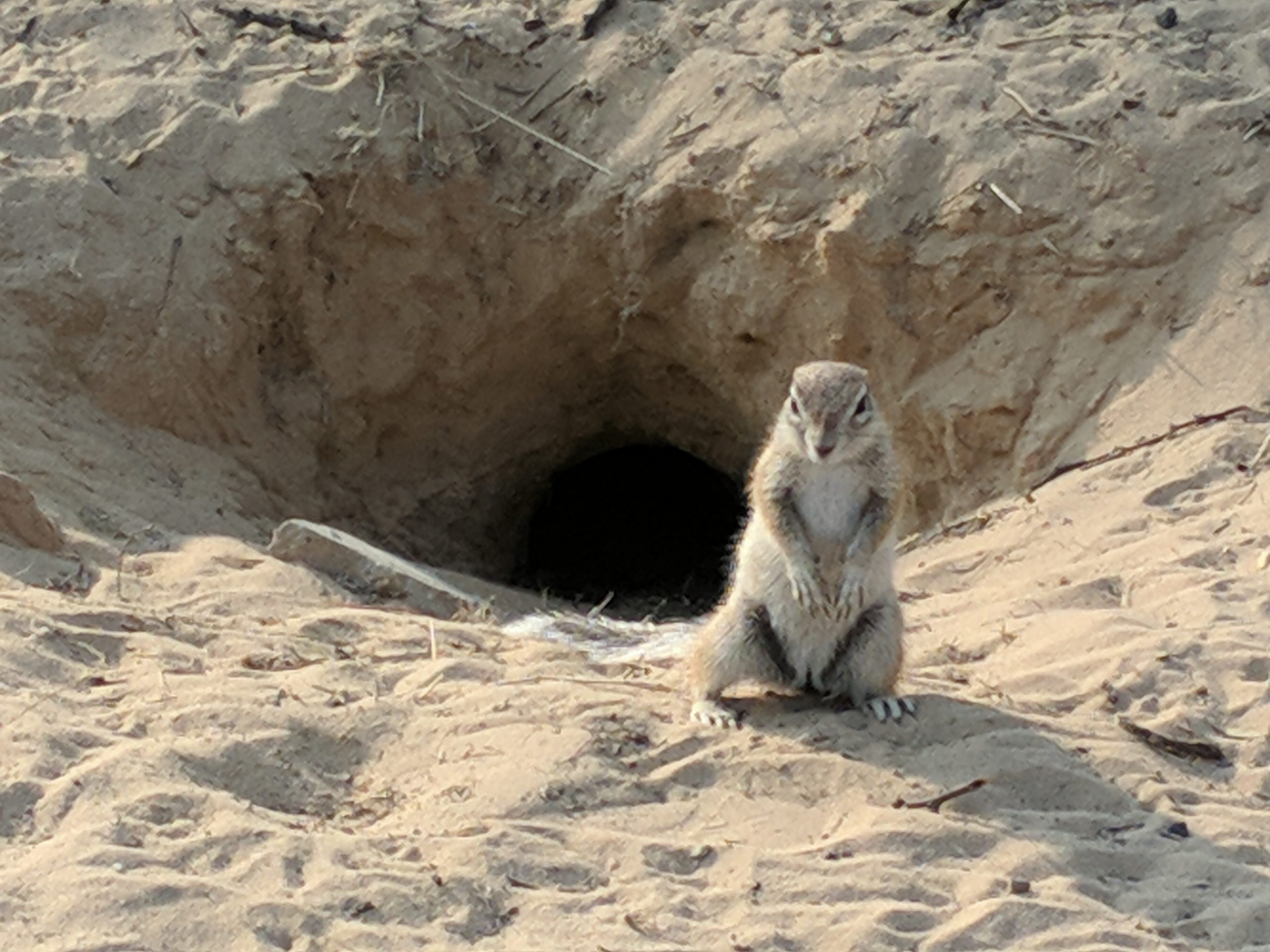
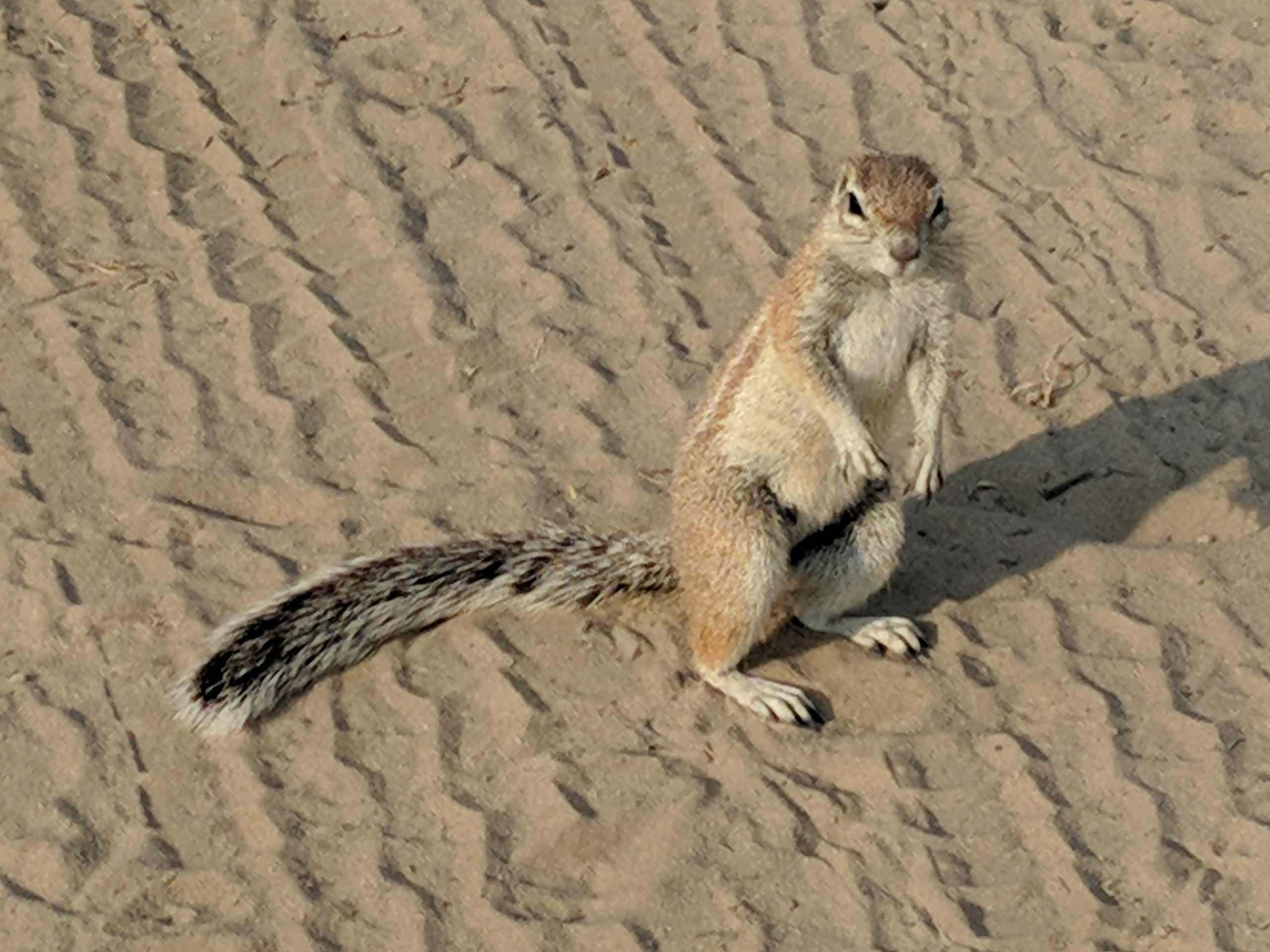
Sunset at Mubuasehube Pan campsite 4Mubuasehube Pan campsite 4Our Australian flag tyre cover, coated with dust.Lion footprints we saw leaving campMubuasehube Pan from the Northoverlooking Mubuasehube PanHornbills at Mubuasehube Pan campsite 4Hornbill at Mubuasehube Pan campsite 4Karen doing her digital nomad thing working.Sunset from Mubuasehube Pan campsite 4Ground squirrelPea hen
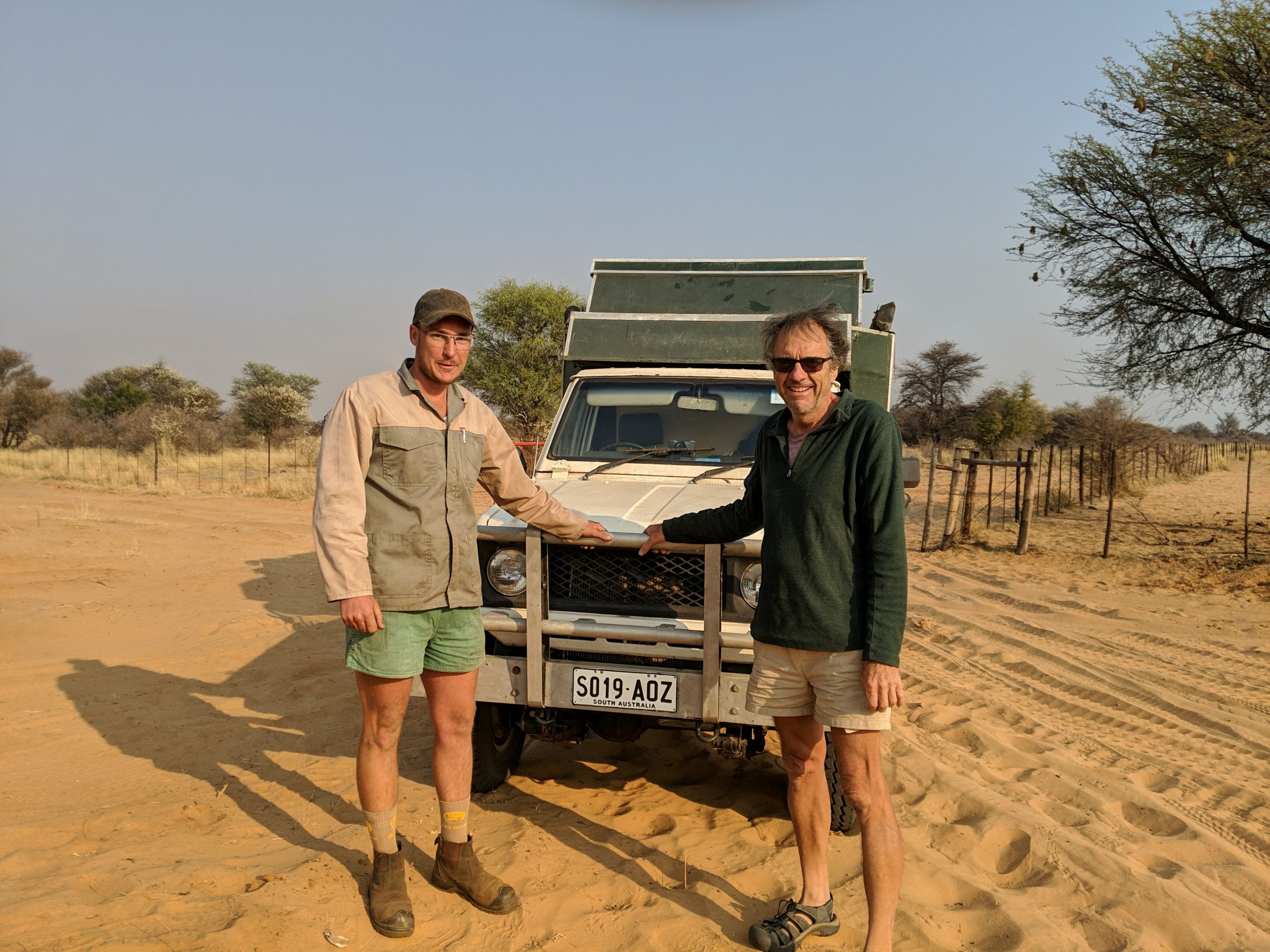
We got going early, by 7:20am. We back-tracked towards Makopong, taking shortcuts along some fences where we knew the way. We were at a gate when a Toyota Landcruiser bakkie rolled up with a South African manager on board. He had noticed our tracks the previous day. He had left the front gate, the first we encountered, unlocked, because he was off firefighting. As a result we drove in. He kindly drove back to the front gate to unlock it (it was now locked) to let us out. It was great to chat with him.
We then drove the 40km back to Makopong, and then pumped up our tyres. It was then down the road to Tsabong. We refueled at Tsabong, then got some apples at Choppies, and then headed north to Mubuasehube park. The road was not too bad, but about 40km south of Mubuasehube, it got very sandy. Lower the tyre pressures again, and continue on getting to the gate at 3:30pm. We got our permit and headed to Mubuasehube Pan and our campsite for two nights.
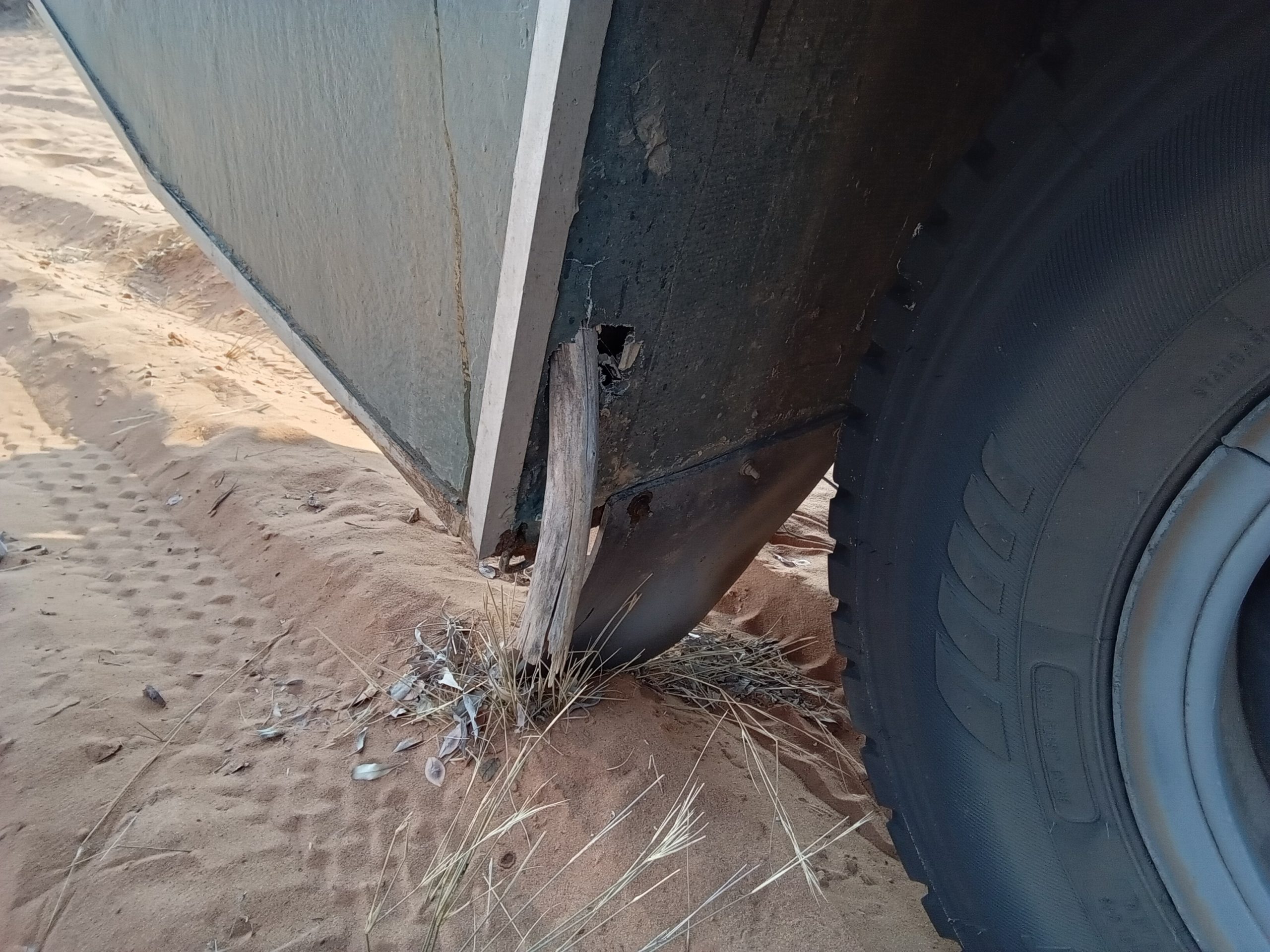
Damage to the fibreglass from a piece of wood that jammed itself in